Marlon Brando: his spiritual and ecological refuge on Tetiaroa atoll
🚀 Key Takeaways
- Concept key : A film star's private refuge became a model for low-impact luxury.
- Practical tip : Tetiaroa is private, access is via The Brando resort; bring reef-safe sunscreen.
- Did you know : The site hosts both a luxury resort and active scientific research on coral and seabirds.
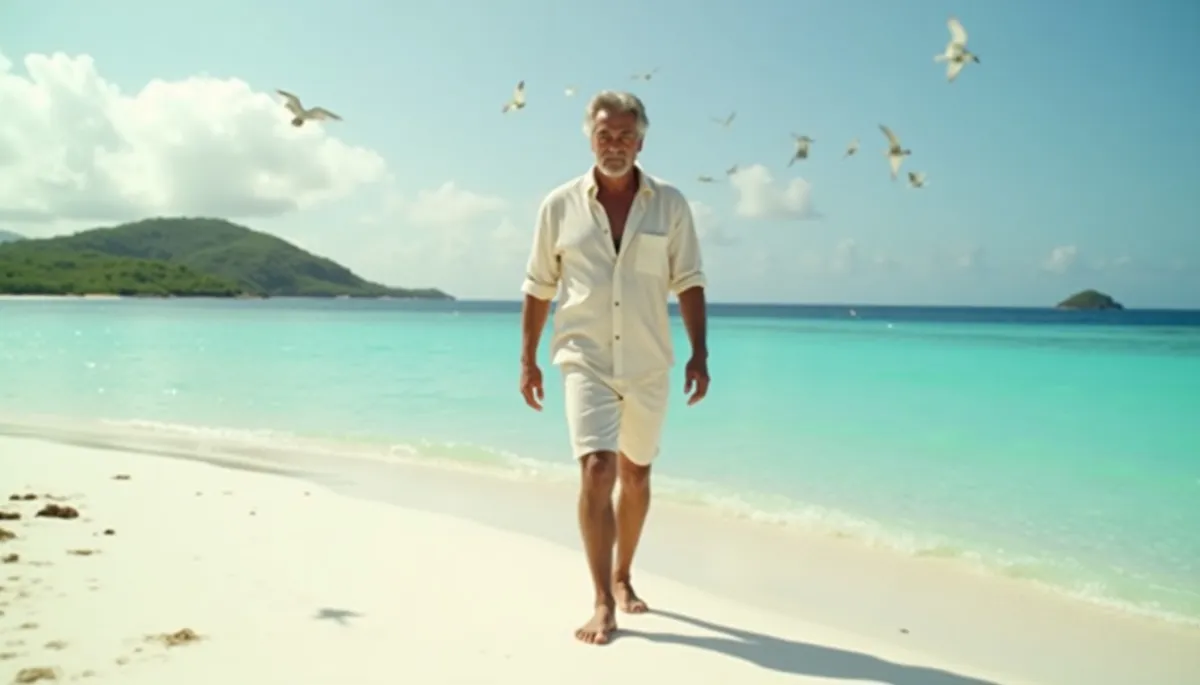
He came for a movie, he stayed in memory. Imagine a thin white sand spit, warm wind, and the turquoise of a lagoon like glass; Marlon Brando would walk barefoot, often alone, listening to the cry of terns and the rustle of coconut palms.
Quiet kingdom
Marlon Brando is one of the most iconic actors of the 20th century, known for roles in On the Waterfront and The Godfather, but it was his work on the 1962 film Mutiny on the Bounty that changed his life. During filming in Tahiti, he discovered Tetiaroa, an atoll composed of about a dozen motus encircling a shallow lagoon.
Fascinated, Brando kept returning. He married Tarita Teriipaia, who he met on the film set, and the island became his refuge, a place for family and reflection away from Hollywood's glare. The atoll remained privately associated with him for decades.
In the late 1960s, Brando acquired the atoll to protect its natural qualities and to secure a private hideaway. Over time, that personal project took on broader dimensions, involving local communities, scientists and eventually, conservationists.
Origins of devotion
The story begins on a film set and grows into stewardship. Brando's discovery of Tetiaroa in 1962 is the root of a long affair; the atoll answered a search for solitude and authenticity that he never fully found in Los Angeles.
He invested in modest infrastructure: guest bungalows, airstrips and houses for family and friends. But unlike many celebrity retreats, Brando resisted mass development and insisted on a gentle footprint, preferring simple living close to nature.
Over the years, his stewardship included advocacy for Tahitian culture and the protection of bird nesting grounds and coral reefs. The legacy was not just a collection of buildings, but a philosophy: keep the island's rhythms, and let science help manage its future.
Between paradoxes
The evolution from private island to luxury eco-resort might look contradictory, yet it is part of a complex negotiation. Brando wanted privacy and preservation, but the scale of ecological work and financial needs eventually required partners and investments.
In the 2000s and 2010s, his heirs and partners sought to reconcile revenue and conservation. The result was a boutique resort that carries his name, created with attention to renewable energy, local employment and scientific collaboration.
Critics ask whether true conservation can coexist with high-end tourism. The answer is nuanced: on Tetiaroa, investment in technology like seawater air conditioning, solar arrays and coconut-oil based systems finances research and habitat protection, yet vigilance is necessary to preserve the atoll’s fragile balance.
Practical footprints
Tetiaroa sits a few dozen kilometers north of Tahiti. It is not a public island; visitors arrive mainly via small aircraft arranged by the resort. If you go, travel light and choose reef-safe sunscreen to protect coral life.
The on-site research programs study coral resilience, seabird populations and lagoon ecology. Guests can learn about these projects, and responsible visits help fund ongoing studies and support local jobs in Tahiti.
For readers inspired to act locally, consider simple choices: pick eco-certified accommodations, support organizations that monitor coral health, and reduce single-use plastics when traveling to island environments.
Thanks for reading, and don't forget, Enjoy Life Moments!