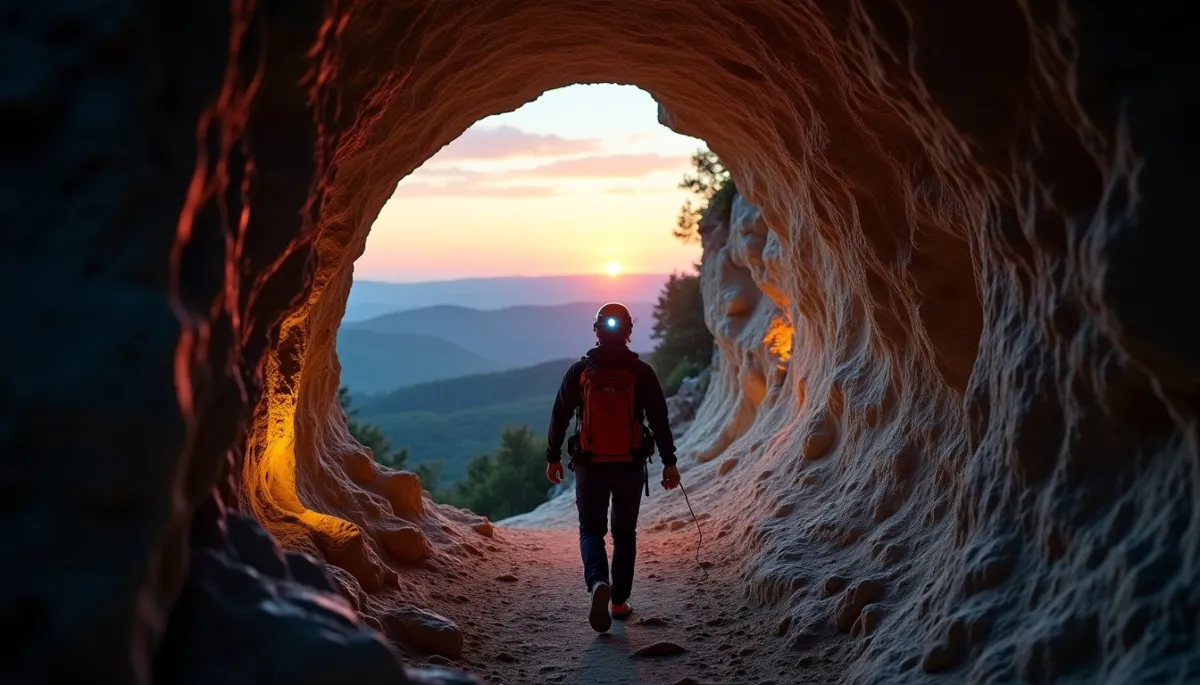
Hiking and nature on the French Riviera
🚀 Key Takeaways
- Key concept : The Riviera combines short coastal walks and higher alpine trails, offering diversity within a compact region.
- Practical tip : Aim for April to June or September to October for mild weather and fewer crowds.
- Did you know : The area hosts unique Mediterranean habitats, including maquis shrubland and pockets of alpine flora above 1,000 meters.
The French Riviera is often pictured as sunbeds and yachts, yet its real treasure for walkers is a network of trails that move from sandy coves to shaded ridgelines in a single day. You can hike early along the coast and reach cool mountain forests by afternoon, a contrast few regions offer so compactly.
This article guides you to iconic routes, local wildlife to watch for, and practical advice to plan comfortable, responsible hikes in 2026. Whether you want a sunrise seaside stroll or a challenging ridge with panoramic views, there is a trail for your rhythm.
best coastal walks
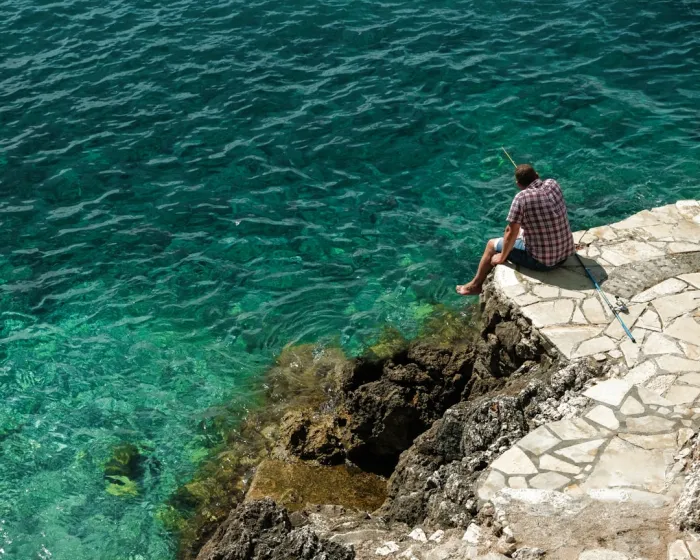
Coastal paths around Cap d'Antibes, the sentier du Littoral and parts of the coastal corniche are perfect for morning walks. The trails reveal hidden bays, limestone cliffs and old fishermen's coves where the scent of rosemary and thyme fills the air.
Many of these routes are accessible from Nice, Antibes and Menton, making them ideal for day excursions. Wear good shoes for uneven rock and bring water, since sunny sections offer little shade in summer.
mountain trails and panoramas
Move inland and you find higher terrain such as the Mercantour foothills and the lower Alps that border the Riviera. Trails like the GR 52 and paths around Peillon or Saint-Martin-Vésubie offer steep ascents and rewarding views over the coast.
Altitude brings cooler air and different plant life, so layer clothing and check weather updates before you climb. Many mountain paths include stone-built shepherd shelters and spring-fed fountains, but rely on a map rather than assuming services along the way.
flora, fauna and seasonal highlights
The Mediterranean maquis dominates lower slopes: wild thyme, cistus, and fragrant oak. In spring you will find orchids and vibrant blooms that attract bees and colorful butterflies, while migrating birds use the coast as a corridor.
Higher up, black pines and beeches shelter small mammals and birds of prey. Bring binoculars and a field guide or app to spot species, and remember that picking plants or disturbing nests is both harmful and illegal in protected areas.
planning, access and sustainability
Public transport along the coast is efficient, and many trailheads are reachable by train or bus, reducing the need to drive. For remote trail access consider local buses or arranging a return transfer to avoid leaving a car at isolated locations.
Respect local rules: stick to marked paths, pack out your trash and avoid fires during high-risk months. Many trails cross private land or protected zones, so keep dogs on a leash where required and follow signage carefully.
safety and local etiquette
Cell coverage can be spotty in gorges and high ridges, so download maps offline and carry a basic first aid kit. Check tide times for low coastal stretches that can be cut off by the sea, and tell someone about longer itineraries.
Locals appreciate hikers who share the space respectfully: greet farmers or shepherds, close gates, and use public facilities when available. A small gesture of courtesy goes a long way in preserving access for everyone.
Thanks for reading, and don't forget, Enjoy Life Moments!