Seaside vineyards: tasting the crus of Bellet and Provence
🚀 Key Takeaways
- Core concept: Coastal terroir gives Bellet and Provence wines a maritime freshness and aromatic lift.
- Practical tip: Taste Bellet whites with Niçoise cuisine, and seek Bandol for ageworthy reds (serve slightly chilled).
- Did you know: Provence is the world reference for rosé, while Bellet remains one of France's smallest AOCs, a short drive from Nice.
Close your eyes, breathe salt and garrigue. You can almost hear the waves below.
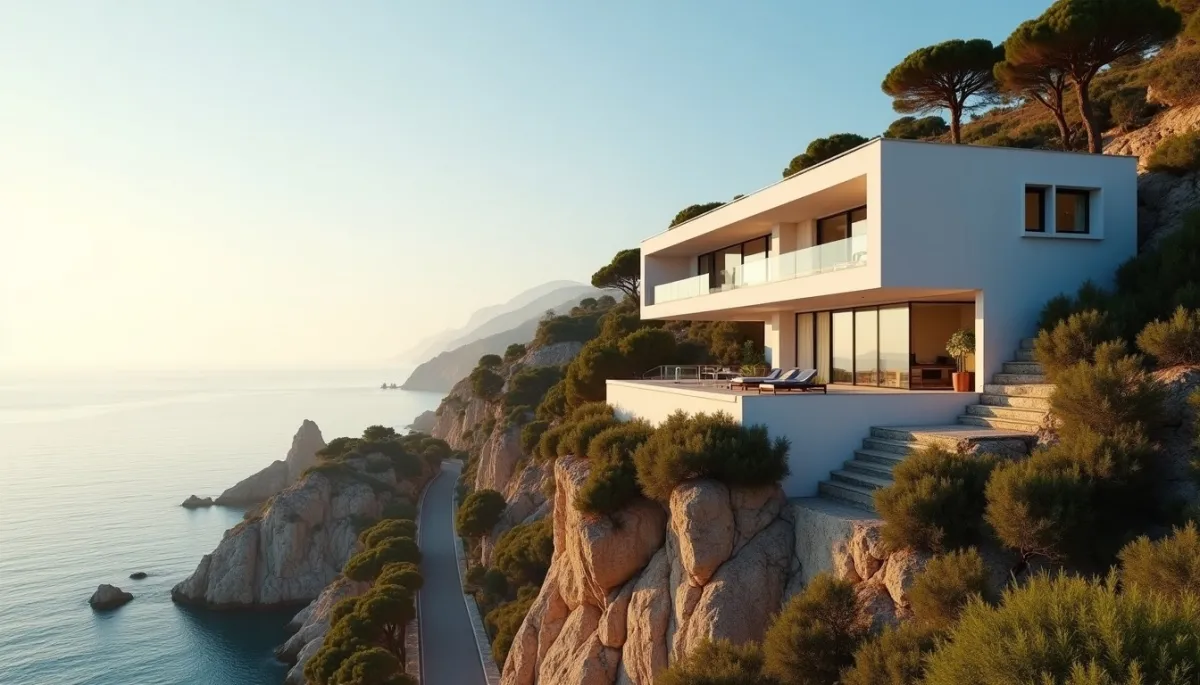
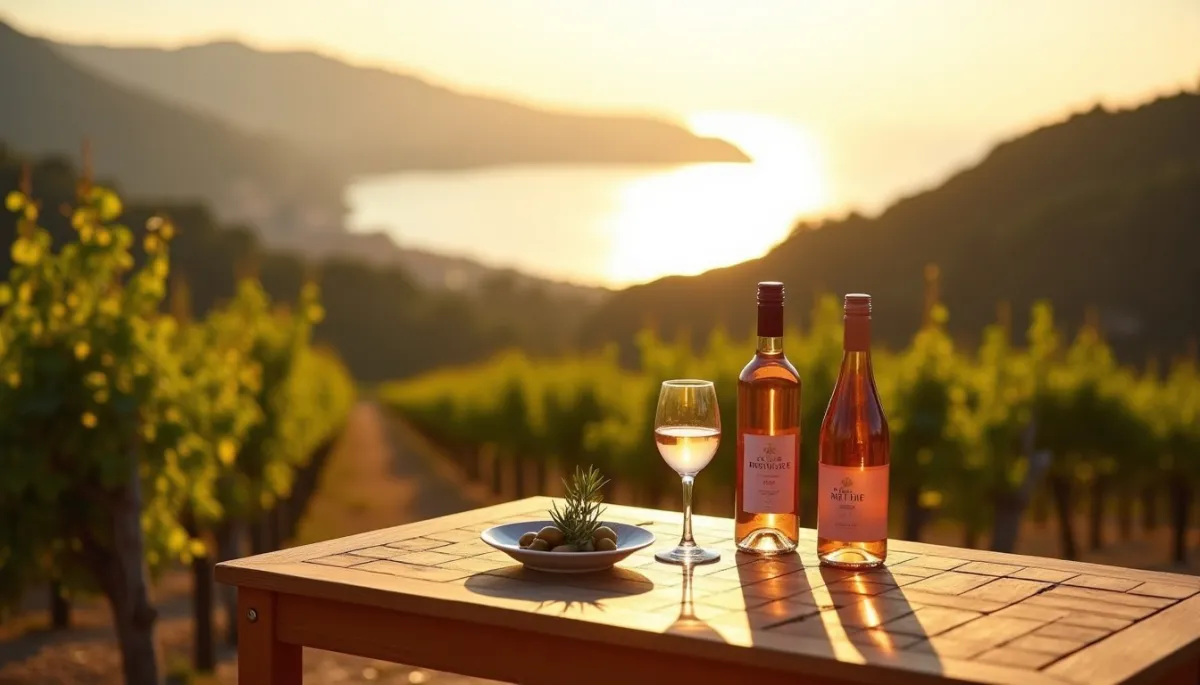
Picture a tasting table set on a narrow terrace above the Baie des Anges in Nice, sunlight hitting pale bottles, a breeze carrying aromas of citrus, thyme and wet stone. Vine rows climb steep, stony slopes, sometimes a few hundred metres from the shoreline, and a small flock of bees hums between the sprigs of rosemary that fringe the parcels. That intimacy between vine and sea defines the wines we will meet.
vignes face mer
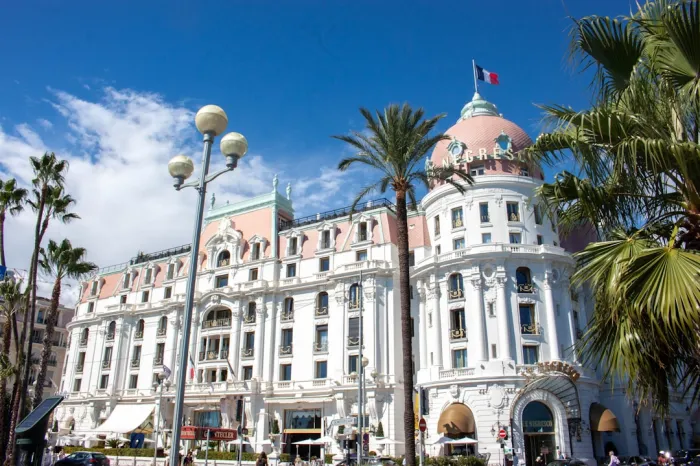
The French Riviera is exceptional because vineyards sit literally facing the Mediterranean. Bellet, the AOC that encircles Nice, is only a 10 to 20-minute drive from the Promenade des Anglais. Its plots are terraced on hills that catch both sun and maritime breezes, often up to altitudes of a few hundred metres, which cools nights and preserves acidity in the grapes.
Across Provence, terroirs vary: the large Côtes de Provence plains give generous rosés, while smaller crus like Bandol, Cassis and Palette show distinct characters. Bandol, south of Toulon, is famous for Mourvèdre-based reds that benefit from the hot, dry summers and the mistral wind, producing wines that can age for a decade or more.
These coastal sites create wines with marked saline or iodized notes, and a freshness that balances Mediterranean ripeness. Expect pale, mineral whites and rosés with nectarine and herb notes, and reds where aromatics (garrigue, pepper) marry matured fruit.
raisins et histoire
Bellet's appellation dates back to the early 20th century and its AOC status was formalised in 1941. It remains tiny compared with the sprawling estates of Provence; today the cultivated area is well under two hundred hectares, parcelled among family domaines and old estates. The main white grape here is Rolle (known internationally as Vermentino), prized for its citrus and saline profile. Reds feature local varieties such as Braquet, along with Grenache and Syrah in blends.
Provence's modern reputation for rosé developed over decades. While Côtes de Provence is the region's largest AOC, smaller names bring depth and history: Cassis has long produced dry, aromatic white blends (Clairette, Marsanne), and Palette, near Aix-en-Provence, is a tiny, highly regarded AOC with conservative yields and characterful wines.
Famous domaines illustrate diversity: Domaine de Toasc and Château de Bellet work close to Nice, offering intimate tastings; Domaine Tempier in Bandol is an icon for Mourvèdre-driven reds; Château Léoube on the Côte Varoise combines organic viticulture with sea views. These places tell the story of local families, winemaking revived after phylloxera, and a gradual shift to sustainable practices since the 1990s and 2000s.
goûts et avenirs
Tasting on the Riviera shifts your expectations. A Bellet blanc, served at 10–12°C, reveals citrus peel, white flowers and a saline lift that matches grilled seabream or a pissaladière. Provence rosés, best at 8–10°C, are made for lunchtime on a terrace, pairing with salade Niçoise or anchovies.
Red wines from coastal Provence can surprise. Bandol's Mourvèdre requires patience; a five- to ten-year-old bottle develops leather, black fruit and spice. Lighter reds from Bellet, slightly chilled (14–16°C), work with local stews or charcuterie. For collectors, seek older Bandol vintages from the 1990s and 2000s, when yields were low and wines structured for aging.
The future blends tradition and adaptation. Winemakers face heat extremes and vine health issues, so many are experimenting with cover crops, higher-altitude parcels and native yeast fermentations to retain freshness. Sustainable and organic certifications have grown; visiting producers and buying directly supports these transitions. Practical advice: book tastings in advance, go early in the day for cooler temps, and combine a vineyard visit with a coastal walk to understand the maritime influence.
Thanks for reading, and don't forget, Enjoy Life Moments!