Orgasmic energy: using it as a powerful engine for creativity
🚀 Key Takeaways
- Key concept : Orgasmic energy can lower inhibition and increase motivation, useful for creative flow.
- Practical tip : Try a 20-minute arousal + 30-minute creative sprint, or edging to build intensity before channeling it into a project.
- Did you know? Traditions from Tantra to Taoism, and thinkers like Napoleon Hill, have long described sexual energy as transmutable into creative force.
It starts with a tremor, then a calm that clears the mind.
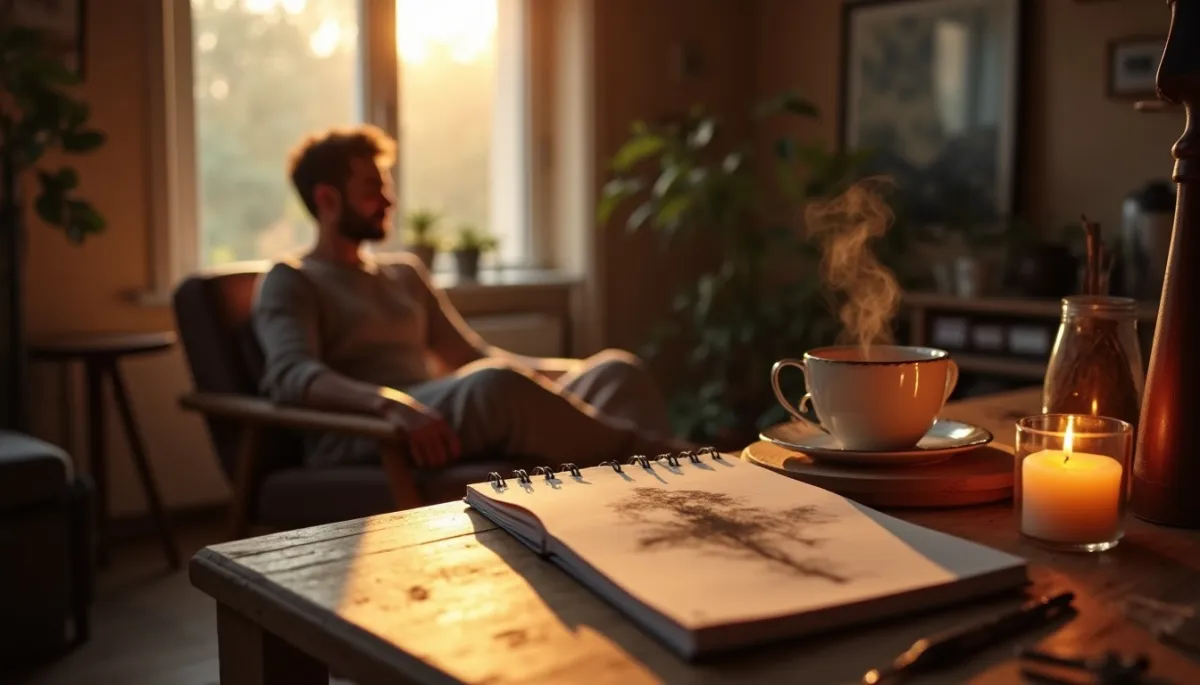
Imagine a small studio in Barcelona, late afternoon light on a table strewn with charcoal, notebooks and a half-drunk tea. After a brief period of gentle self-touch and breathing, a designer sits down, not to chase pleasure but to use that rewired attention. Words and forms arrive faster, judgment softens, and an idea that resisted for weeks finally takes shape. That scene, repeated in different forms around the world, illustrates a simple possibility: the energetic peak of sexual experience can be transformed into creative momentum.
Flame and flow
More creators are talking about the link between sexual energy and artistic productivity. From musicians to writers, testimonies often describe an opening of imagination after orgasm or during heightened arousal. The moment loosens internal critics and increases associative thinking, two ingredients of creative insight.
Neuroscience helps explain why. Sexual arousal and orgasm trigger surges of dopamine (motivation and reward) and oxytocin (bonding and relaxation), and they reduce cortisol (stress). These chemical shifts can expand attention and make novel connections more likely. Several studies also associate regular sexual activity with improved mood and certain cognitive measures, notably in older adults.
Historically, the idea is not new. Tantric lineages in India, Taoist practices in China, and 20th century thinkers like Wilhelm Reich or Napoleon Hill described sexual energy as a force that could be directed or transmuted. Today, that conversation blends ancient frameworks with modern experiments, apps and creative routines.
Sources and roots
Why does orgasmic energy feel powerful? At the biological level, orgasm functions as a neurochemical reset. Dopamine lights the reward pathways, making novel options attractive. Oxytocin softens social anxieties; endorphins ease tension. These shifts foster a mental climate where divergent thinking thrives.
Culturally, many traditions developed techniques to conserve and redirect sexual vitality. Tantra uses breath, visualization and slow touch to raise what practitioners call kundalini, a metaphor for upward-moving energy. Taoist sexual arts speak of jing and qi (essence and life energy), recommending practices like semen retention for men, and microcirculatory techniques for women, to circulate sexual energy through the body.
In the West, Napoleon Hill's 1937 book referenced "sexual transmutation" as a means to convert sexual energy into drive for achievement. While his language is dated, the core idea resonates: canalizing intense instinctual energy toward a purposeful project can intensify sustained effort and originality.
Obstacles and nuance
However, the relationship between sex and creativity is not automatic. Chasing orgasm as a productivity hack can backfire. Overemphasis risks dissociation, exhaustion or compulsive behaviors that harm wellbeing and work. Context matters: consent, mood, relationship dynamics, and individual neurochemistry shape the outcome.
There are gendered differences and individual variability. Some people report post-orgasmic sleepiness, driven by prolactin release, which reduces immediate creative drive. Others experience a heightened calm that helps long-form work. Listening to your body is essential.
Ethics matter. Any practice that involves partners requires clear communication, boundaries and consent. Practices done alone should also respect limits and avoid becoming an avoidance strategy for creative block or emotional discomfort.
Practical ways to channel the spark
Start with small experiments. Try a focused session: 15 to 25 minutes of slow arousal, finishing or pausing at a peak, then immediately begin a 30-minute creative sprint. Some people prefer to delay orgasm (edging) to build intensity and then transmute the heightened state into writing, drawing or composing. Edging (deliberate delay of climax) increases arousal without exhaustion if practiced safely.
Use breathwork and grounding. Simple breathing cycles, like 4-6-8 breaths, help to move energy from the pelvis into the chest and head, making mental imagery clearer. A short ritual of lighting a candle, writing a one-sentence intention and then engaging in mindful touch creates a bridge between bodily energy and the task at hand.
Keep a journal. Note what timing works for you, which projects benefit, and when sexual energy distracts rather than aids. Over weeks, patterns emerge. Remember to balance: regular sleep, nutrition and social connection are necessary supports. If sexual practices interfere with daily life, seek guidance from a therapist or sexologist.
Approached with curiosity, respect and care, orgasmic energy can be a potent lever for creativity. It is not a shortcut, but a resource. Like fire, it can warm, illuminate and transform, or it can burn if mishandled. The creative life often requires both courage and tenderness. Using one of our most intimate energies responsibly can add a new dimension to that practice.
Thanks for reading, and don't forget, Enjoy Life Moments!