Blue Zones: daily secrets to add to your routine
🚀 Key Takeaways
- Concept clé : Longevity is often the result of daily rhythms: movement, plants, purpose and belonging.
- Practical tip : Add one bean-based meal, a daily 20–30 minute walk and a weekly social ritual.
- Le saviez-vous : The Blue Zones concept was popularized by Dan Buettner in the mid-2000s after expeditions to five regions with unusually high numbers of centenarians.
There is a quiet joy in longevity.
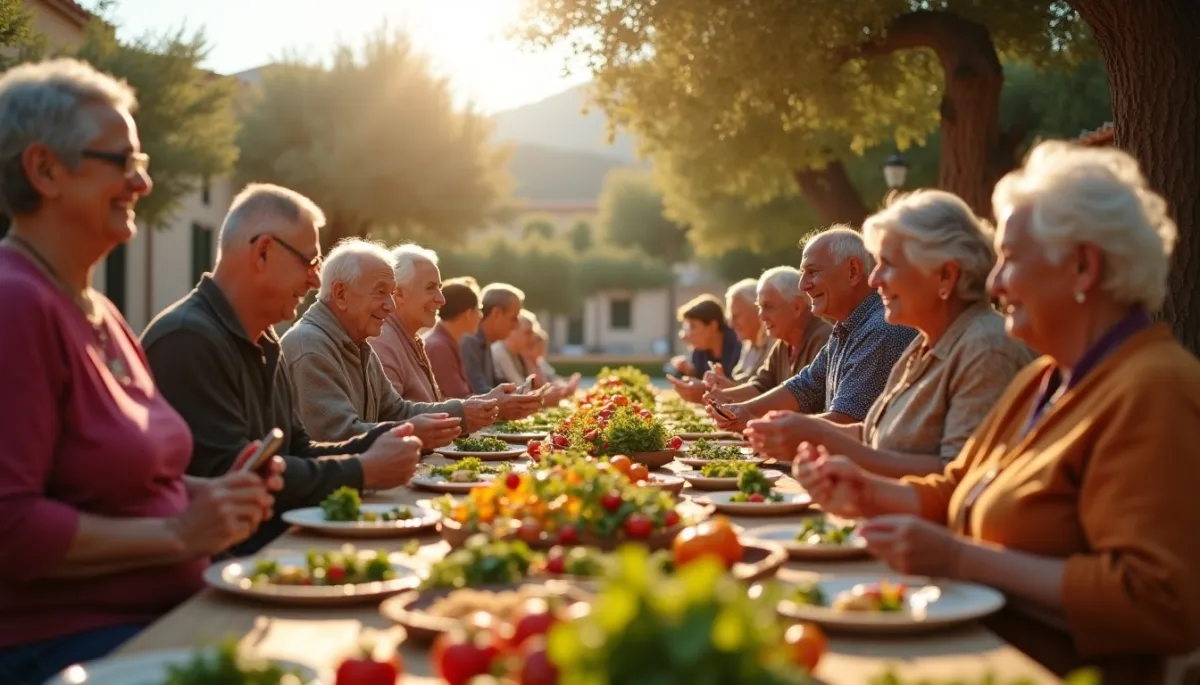
Picture an Aegean village at dawn: elders sweeping a stone lane, children running past, a woman pulling beans from a sack while neighbours chat. The scene repeats in Okinawa courtyards, Sardinian hilltops, Nicoyan porches and among Seventh-day Adventist communities in California. These micro-routines stitch days into decades.
Visible longevity
In the mid-2000s, expeditions led by Dan Buettner and teams from National Geographic identified five regions where people live far longer than average: Okinawa (Japan), Sardinia (Italy), Ikaria (Greece), Nicoya (Costa Rica) and Loma Linda (California, USA). Researchers noticed not isolated genes, but lifestyle patterns repeated across cultures.
These places show a higher concentration of centenarians and lower rates of chronic illnesses like heart disease and some forms of cancer. Ikaria, for example, became known for unusually low dementia rates and many nonagenarians still working in gardens in the early 2010s. Loma Linda's Seventh-day Adventists have been observed to live roughly a decade longer than other Americans in some studies, thanks to diet, faith and rest practices.
What stands out is the ordinary nature of the habits: moderate movement, a plant-forward diet, strong social bonds, rituals around rest and a clear sense of purpose. The results are visible in village life, not just in statistics; centenarians teach grandchildren, lead celebrations, and maintain daily roles.
Daily habits
Across the Blue Zones researchers distilled overlapping behaviours now often called the Power 9. They include moving naturally, eating mostly plants (with beans daily), having a purpose, downshifting stress, moderate wine in context, belonging to a faith group, prioritising family, and surrounding yourself with supportive friends.
Many of these are concrete. In Okinawa, the cultural practice of hara hachi bu (stop eating when 80% full) reduces caloric intake without counting calories. Sardinian men historically worked as shepherds, walking steep terrain; their diet included whole grains, fava beans, pecorino cheese and a sip of local wine. Nicoya residents often talk of 'plan de vida' (a reason to wake up), and Loma Linda communities emphasize Sabbath rest and plant-based meals.
These habits are practical. You can add a daily walk or garden task to increase non-exercise movement. Swap one meal for beans, lentils or vegetables. Build a weekly ritual with friends, such as a shared dinner or a walking group. Small, consistent actions reproduce the slow advantages seen in Blue Zones.
Modern translation
Translating century-old village habits into 21st century cities isn't automatic. Urban life brings processed foods, long commutes and fragmented communities. Yet some towns in the United States adopted Blue Zones principles through the Blue Zones Project in the 2010s, changing city planning, school food and workplace cultures to nudge healthier choices.
There are tensions. Not every ritual scales, and cultural appropriation is a risk if practices are taken without context. Purpose and belonging, for instance, arise from tight-knit social fabrics; creating them requires time and authenticity, not just an app. Still, even partial adoption—regular social meals, purposeful hobbies, predictable rest—yields measurable benefits for wellbeing.
Start small. Design a morning five-minute ritual that connects you to a purpose. Replace one evening snack with a bean salad. Commit to a weekly 'moai' style group (a small circle that supports each other's goals). Prioritize sleep and a daily pause to downshift, whether by breathing, prayer, or a short nap. Over months, these tiny changes reshape stress, appetite and social networks.
The real secret is not one rule but a network of rituals. Longevity grows where movement, food, rest and human ties reinforce each other. You do not need to move to a Greek island to benefit; you need to stitch similar rhythms into your week.
Thanks for reading, and don't forget, Enjoy Life Moments!