The original pan bagnat recipe: why locals fiercely protect its composition
🚀 Key Takeaways
- Key concept : Pan bagnat is the salad niçoise in a bun, traditionally dressed with olive oil, not mayonnaise.
- Practical tip : Choose a round country bread and press it to let the juices infuse for at least an hour.
- Did you know : The name comes from Niçard (Occitan) meaning "bathed bread".
Simple and bold.
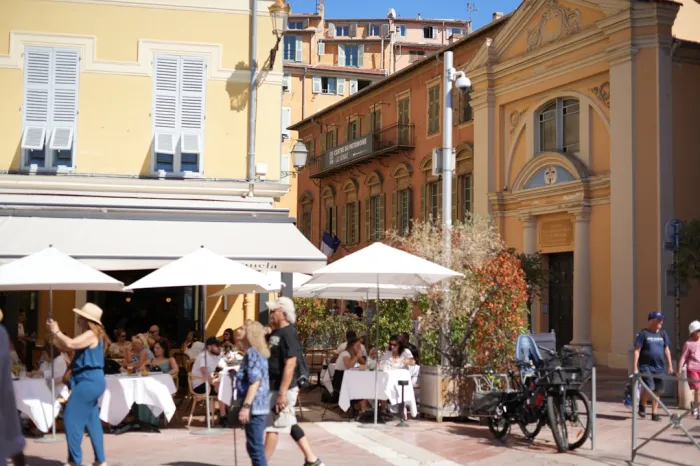
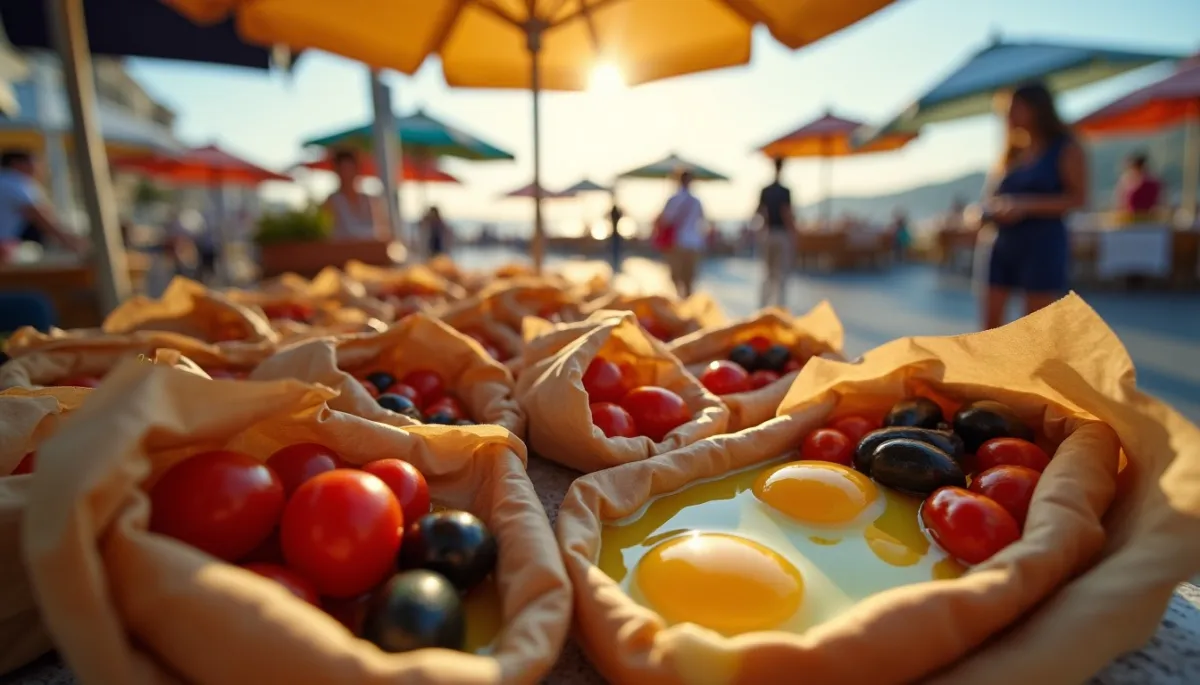
Picture a fisherman’s lunch at dawn, the salt on his jacket, a round loaf split open, pulsing with tomato juice and oil. Street vendors on Cours Saleya still sell pan bagnat wrapped in paper, warm from the pantry of every baker in the old town.
Un plat enraciné
Pan bagnat is rooted in Nice. The expression comes from the Niçard dialect (pan bagnà), literally "bathed bread", a term recorded since the 19th century. The sandwich was the practical evolution of salade niçoise, made portable for fishermen and market workers who needed a single, filling meal.
Traditionally the ingredients mirror the salad: ripe tomatoes, anchovies or canned tuna, hard-boiled egg, black olives (typically cailletier or niçoise olives), raw onion, green pepper, and plenty of olive oil. The bread is often a round country loaf (pain de campagne) or similar, hollowed slightly and soaked—hence the name.
Local historians and gastronomes insist on two non-negotiables: olive oil as the dressing and the absence of mayonnaise. These are not mere preferences, but identity markers that distinguish the pan bagnat from imitations.
Pourquoi cette défense
Food is memory. For Niçois, pan bagnat encodes landscape and labor: sun-ripened tomatoes from Provençal gardens, oil from nearby hills, tuna brought back by Mediterranean boats. Changing the recipe feels like erasing a part of that map.
Since the 1990s, as tourism surged and food trends globalized, creative variants multiplied. You can now find pan bagnat with arugula, with mayonnaise, with smoked salmon, or even vegetarian takes with grilled vegetables. Many are delicious, but they trigger pushback from purists.
Associations of artisans and some local chefs formed informal collectives to protect the recipe. They host demonstrations during summer fêtes and explain techniques in workshops. The message is cultural rather than litigious: conserve the culinary heritage, while letting innovation have its place elsewhere.
Entre authenticité et modernité
That tension creates interesting contradictions. On one hand, restaurants in Nice market an "authentic pan bagnat" for visitors; on the other hand, bakeries experiment to attract locals and trend-hungry tourists. The result: a spectrum from strict tradition to creative reinterpretation.
Practical advice if you want the origin: go to the Vieux-Nice markets, like Cours Saleya, early in the day. Look for a vendor who stuffs the bread generously, compresses it with a weight or foot for an hour, and wraps it so the juices continue to macerate. Ask for olive oil, not mayonnaise.
For those curious about contemporary expressions, explore summer pop-ups or food trucks along the Promenade des Anglais. Chefs often play with smoked fish, different olives, or pickled vegetables, acknowledging the original while proposing new textures.
Petites histoires vraies
There are countless local anecdotes. A baker in the Liberation quarter remembers his grandfather selling pan bagnat after World War II to rebuild customers’ appetites. A retired fisherman told me in 2018 that he still prefers the version with anchovies because canned tuna was expensive in his youth.
In 2015, a cultural guide published a short manifesto about "les vrais ingrédients" that went viral regionally, prompting debates on radio shows and local blogs. Those debates helped cement a shared-language: certain ingredients became shorthand for authenticity.
Ultimately, pan bagnat survives because it is adaptable and rooted. It remains a lunchtime ritual, a market souvenir, and above all, a conversation starter about who decides what is "authentic".
Thanks for reading, and don't forget, Enjoy Life Moments!