The Château de la Napoule: an American billionaire's love affair with medieval art
🚀 Key Takeaways
- Core idea : An early 20th-century restoration by Henry Clews Jr. and his wife Marie blends medieval architecture and modern sculpture.
- Practical tip : Visit at golden hour, explore the gardens and the artist's studio, and check residency events from the La Napoule Art Foundation.
- Did you know : The castle dates to the 14th century, and the Clews' work dates from 1918 to the 1930s.
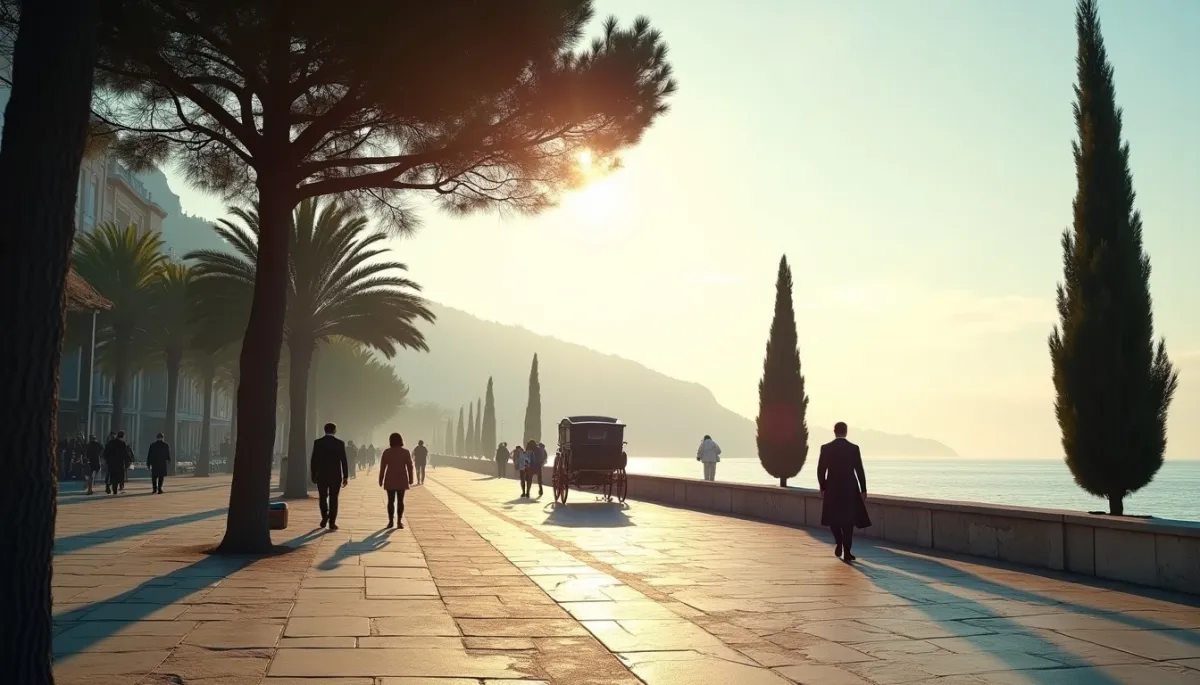
Close your eyes and imagine waves kissing ancient stone. On a summer evening, the terraces glow; the concrete sculptures throw long shadows, and the silhouette of Îles de Lérins shimmers on the horizon.
Pierre et mer
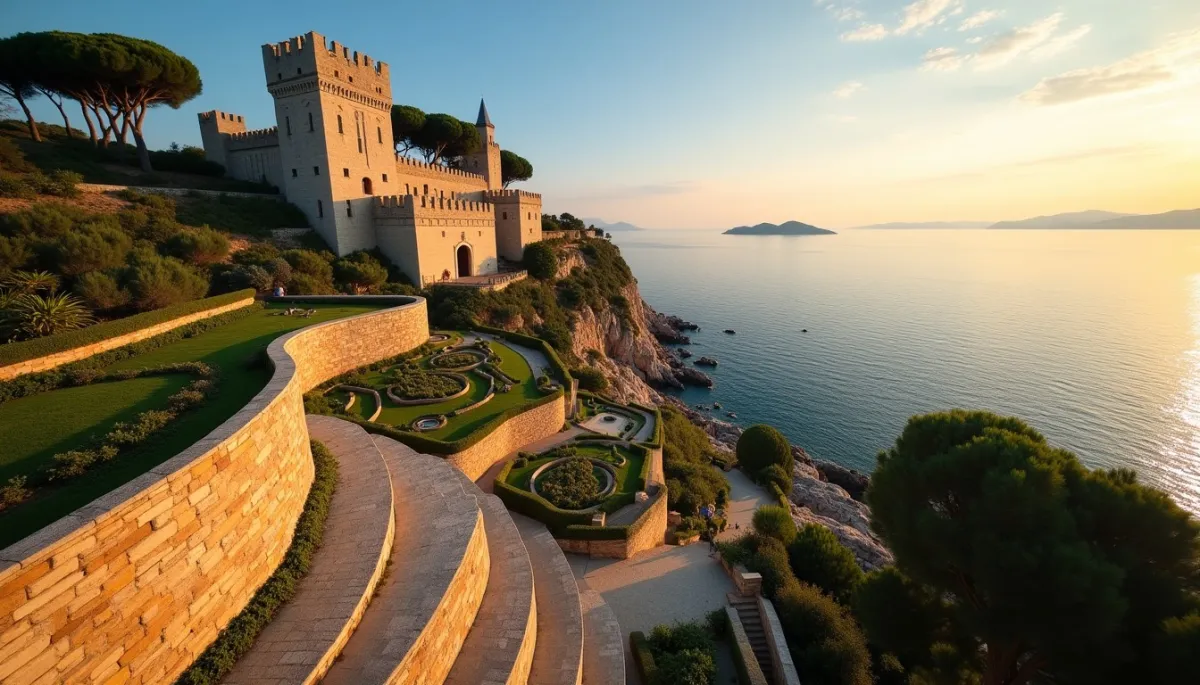
The Château de la Napoule stands in Mandelieu-La Napoule, just west of Cannes. Its origins trace back to the 14th century, with medieval towers and ramparts that once guarded the bay.
By the early 20th century, the castle had fallen into ruin. In 1918, Henry Clews Jr., an American sculptor and heir to a banking fortune, and his wife Marie bought the site and began a passionate restoration that would last through the 1920s and 1930s.
Walking the terraces today, you feel that double time: the solidity of medieval stone, and the playful, sometimes visionary, interventions of a modern artist. The gardens, stairways and seaside parapets are an open-air gallery where sea and masonry converse.
Un mécène rêveur
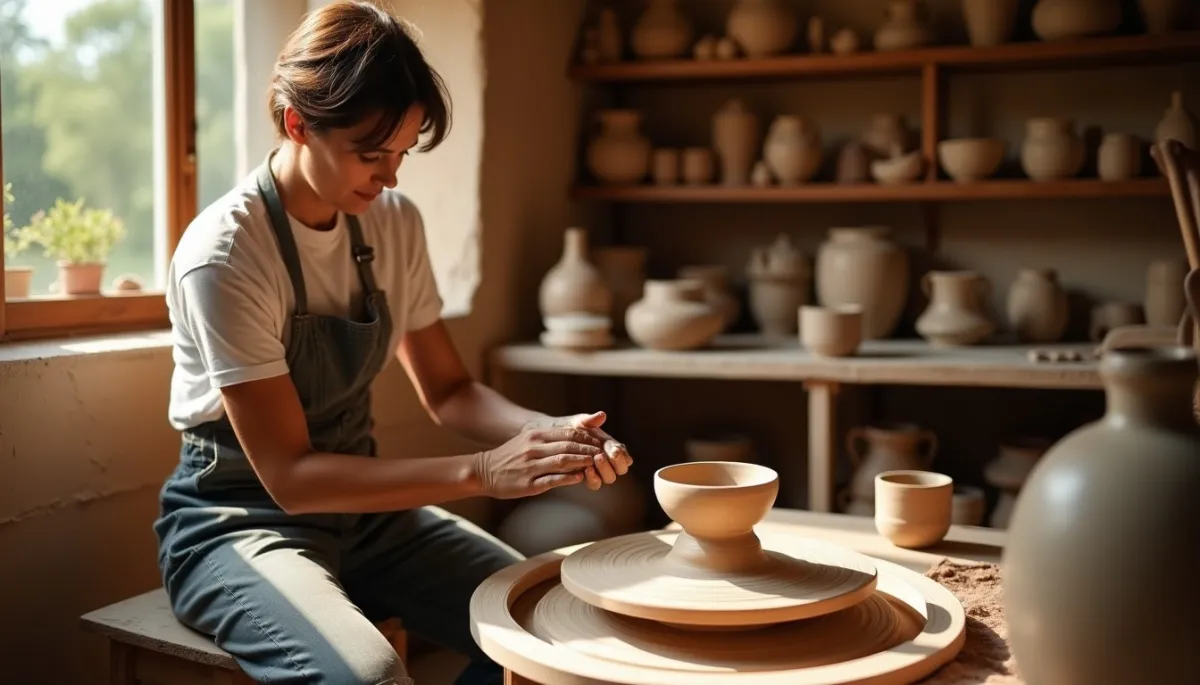
Henry Clews Jr. (1876–1937) left a comfortable life in New York to pursue art in Europe. At La Napoule, he worked in concrete, plaster and mosaic, sculpting hybrid beasts, allegorical figures and textured volumes that recall medieval iconography and folk imagination.
Marie Clews, his companion and later guardian of the estate, organized salons and welcomed artists. Together they turned the château into a living atelier, where creation met hospitality, and where private passion became public charm.
Their work is intimate and idiosyncratic. Clews' sculptures are not museum pieces separated from their site; they are integrated into stairways, nooks and garden walls, as if the place itself had given birth to them.
Héritage vivant
After Henry's death in 1937, Marie preserved and amplified their project. In the mid-20th century she established mechanisms to keep the château open to art and the public, foundations and residencies that continue today under the La Napoule Art Foundation.
Visitors can take guided tours to see the studio, the frescoes and the sculpted terraces. The site also programs concerts, exhibitions and artist residencies, making it both a museum and a creative laboratory.
Practical tip: arrive around sunset for the best light. Wear comfortable shoes for steep steps, and allow time to linger in the gardens. From the castle you can see the Lerins islands and plan a full Riviera day: Cannes, a short coastal drive, or a hike toward Théoule-sur-Mer.
Thanks for reading, and don't forget, Enjoy Life Moments!