Marine protection: why superyachts are now banned from anchoring in some bays
🚀 Key Takeaways
- Core concept : Anchors from superyachts damage Posidonia and shallow habitats, prompting bans.
- Practical tip : Favor designated moorings or book a marina, and consult local regulations before dropping anchor.
- Did you know : Pelagos Sanctuary (1999) and Port-Cros (established 1963) are examples of Mediterranean protection efforts.
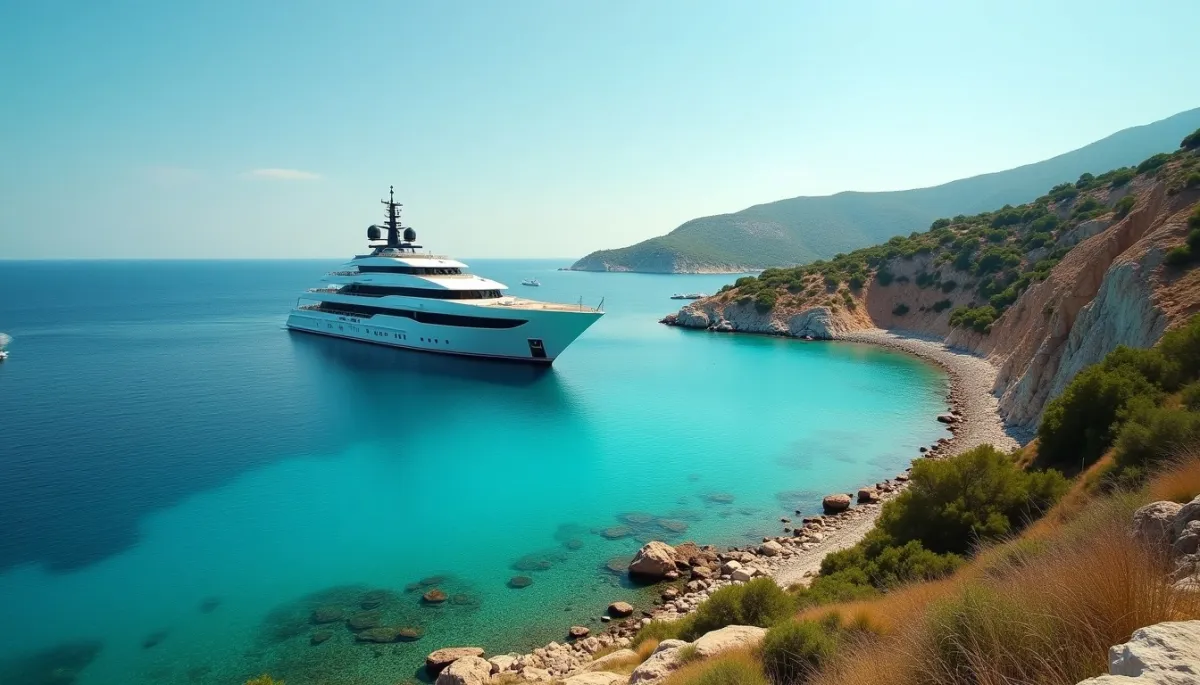
The view can be heartbreaking. A glittering superyacht sits in a turquoise bay, and beneath the surface, a meadow of Posidonia has been torn apart.
Scarred bays
Along the French Riviera, from Porquerolles to the Lérins islands, marine meadows no longer look untouched. Anchoring scars—long pale ribbons on the seabed—are visible to divers and in drone footage. These scars fragment habitats that took centuries to form.
The consequence is tangible for local economies. Ports and marinas see traffic, but in the long term, damaged seagrass reduces fish nurseries and tourism appeal. Calmer anchorages like Villefranche-sur-Mer and Cap-Ferrat suffered visible degradation after repeated summer seasons crowded with large vessels.
Regulatory responses followed. National parks and municipalities now prohibit anchoring for certain vessel categories in vulnerable zones. In the Calanques National Park (created in 2012) and in protected areas near Hyères and Porquerolles, bans or strict controls have been progressively enforced, especially during peak months.
Why now
Science has been clear for years: Posidonia oceanica (a Mediterranean seagrass) is a keystone species. It stabilizes sediment, provides habitat for fish, and stores carbon. Anchors and chains uproot rhizomes, creating scars that can take decades to heal.
The global superyacht fleet has also grown; by 2023 there were approximately 6,000 yachts over 24 meters (industry estimates). These vessels carry heavier anchors and larger chains, which swing further with wind and swell, extending damage beyond the initial drop point.
Public awareness increased after photographic evidence and scientific surveys were published in local press and by NGOs between 2018 and 2023. Combined with tourism pressure, these reports pushed local elected officials to prioritize marine health. International frameworks, like the Pelagos Sanctuary established in 1999 for marine mammals, reinforced cross-border protection thinking.
Toward alternatives
Banning anchoring is not a desire to exclude boaters, but to channel activity into sustainable options. Eco-moorings (floating buoys attached to blocks or anchors designed to minimize seabed contact) are being installed in many bays, for example around Porquerolles and parts of the Lérins archipelago.
Practical advice for skippers: check official nautical charts and municipal by-laws before planning a stop. Use apps that map no-anchor zones and available moorings, and consider booking a marina slip in high season. When renting, ask the charter company about environmental rules.
There are tensions. Yacht owners and charter companies point out limited mooring capacity and the desirability of quiet anchorages. Local authorities must balance economic activity with long-term ecological resilience. Expect more zoning, seasonal restrictions, and investment in mooring infrastructure in coming years.
For visitors, the change can deepen the travel experience. Seeing a place protected, with clear water and healthy meadows, explains why restrictions exist. It also offers an opportunity to enjoy the coast responsibly.
Merci d'avoir lu, et n'oubliez pas, Profitez des moments de la vie !