Montblanc pens: the Meisterstück and the comeback of handwriting
🚀 Key Takeaways
- Concept clé : The Meisterstück symbolizes a renewed appetite for slow, tactile writing.
- Practical tip : Choose nib size (EF, F, M, B) to match your handwriting and test inks on quality paper.
- Did you know : The Meisterstück 149 is a cult classic among collectors and executives worldwide.
Ink still smells like memory.
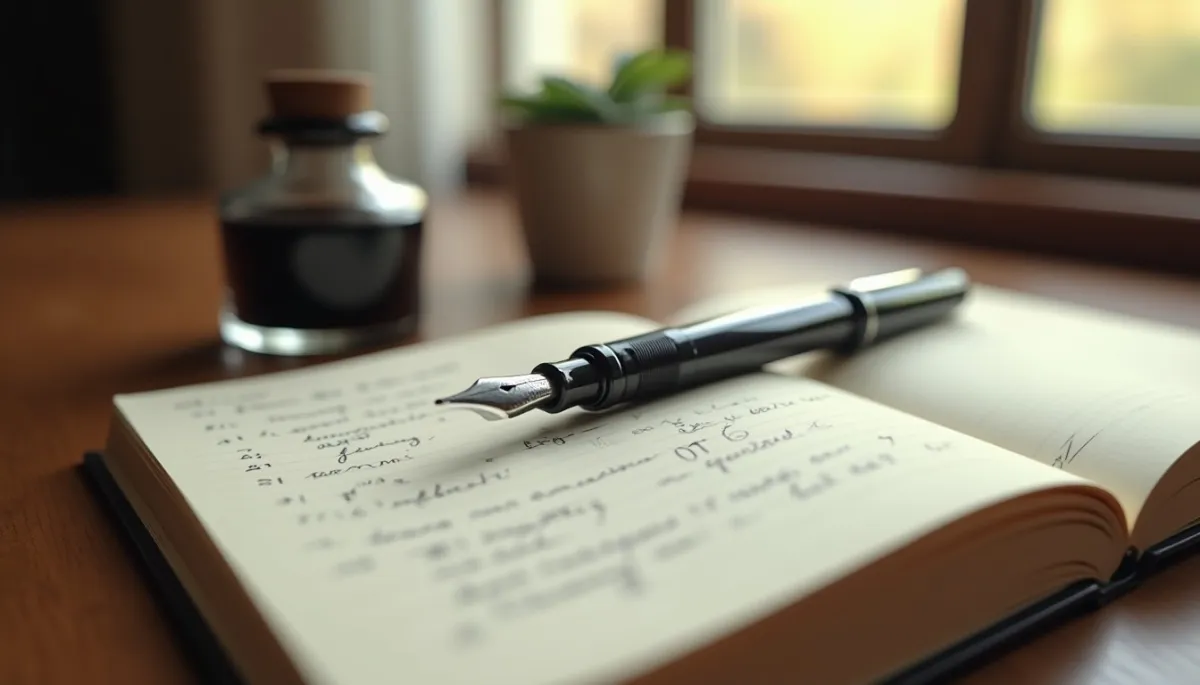
Imagine a small, light-filled boutique on Place Vendôme, a client unboxing a black resin Meisterstück 149, and the shop assistant handing over a bottle of Montblanc ink. Outside, Paris moves fast. Inside, time seems to slow: the gentle click of a cap, the subtle flex of a gold nib kissing paper. That scene captures why handwriting feels newly precious.
Un geste retrouvé
Sales and cultural habits show a shift. After years of dominance by keyboards, luxury fountain pens have seen renewed demand. Montblanc reports steady interest in its Meisterstück line, while auction rooms feature rare editions and collectors seek provenance. Handwritten notes, wedding invitations and personalized letters have become status markers that signal care, not ostentation.
The Meisterstück itself is central to this revival. Launched nearly a century ago, it became the benchmark of fine writing. Models like the 149 carry symbolic weight: they are both practical instruments and objets de collection, used by executives, writers and aficionados from New York to Tokyo.
Beyond boutiques, ateliers and social media communities (calligraphy circles, fountain-pen forums) foster a culture where handwriting is taught and celebrated. Workshops in cities such as London, Madrid and Milan fill quickly. The result is a small but visible cultural movement, where the tactile act of writing competes with digital immediacy.
Racines et raisons
Why this comeback? First, craftsmanship speaks to modern values. The Meisterstück is hand-assembled, its nibs calibrated and its finish polished by experienced artisans. In an era that prizes sustainability and repairability, owning a refillable instrument with a decades-long lifespan makes sense.
Second, cognitive science gives handwriting new legitimacy. Studies show that writing by hand improves memory, creativity and focus (note-taking research and neuroscience over the last decade). For busy professionals, a handwritten note or a journal entry becomes a deliberate interruption that clarifies thinking.
Third, cultural dynamics matter. The pandemic reintroduced habits of letter-writing and journaling for comfort. Luxury brands, including Montblanc, responded with limited editions, writer tributes and collaborations that rekindled romantic associations with authors and statesmen who used fountain pens.
Entre modernité et tradition
Yet the revival is not without paradoxes. The Meisterstück is both an heirloom and a fashion statement. Younger buyers want authenticity but also social visibility; they post images of their writing rituals online, turning private gestures into shareable moments. The result mixes sincere appreciation and curated image.
Another tension comes from price and accessibility. A Meisterstück can cost several hundred to a few thousand euros for special editions. That elevates the ritual but limits adoption. Still, Montblanc and other maisons offer entry-level models and inks, opening the door to newcomers.
Looking ahead, handwriting will likely remain niche but culturally influential. Expect more hybrid offers: luxury ink subscriptions, workshops, and bespoke engraving. For those who adopt the Meisterstück, it is less a tool than a companion, a slow technology that reintroduces tactility into daily life.
Thanks for reading, and don't forget, Enjoy Life Moments!