Slow gardening: cultivating houseplants as a mindfulness practice
🚀 Key Takeaways
- Core concept : Slow Gardening is caring for indoor plants with attention and tempo, inspired by the slow movement.
- Practical tip : Set a five-minute ritual: breathe, observe, water lightly, note one change in a plant journal.
- Did you know : Mindfulness practices blended with horticulture echo ideas from 20th century therapeutic gardens and the Japanese shinrin-yoku tradition.
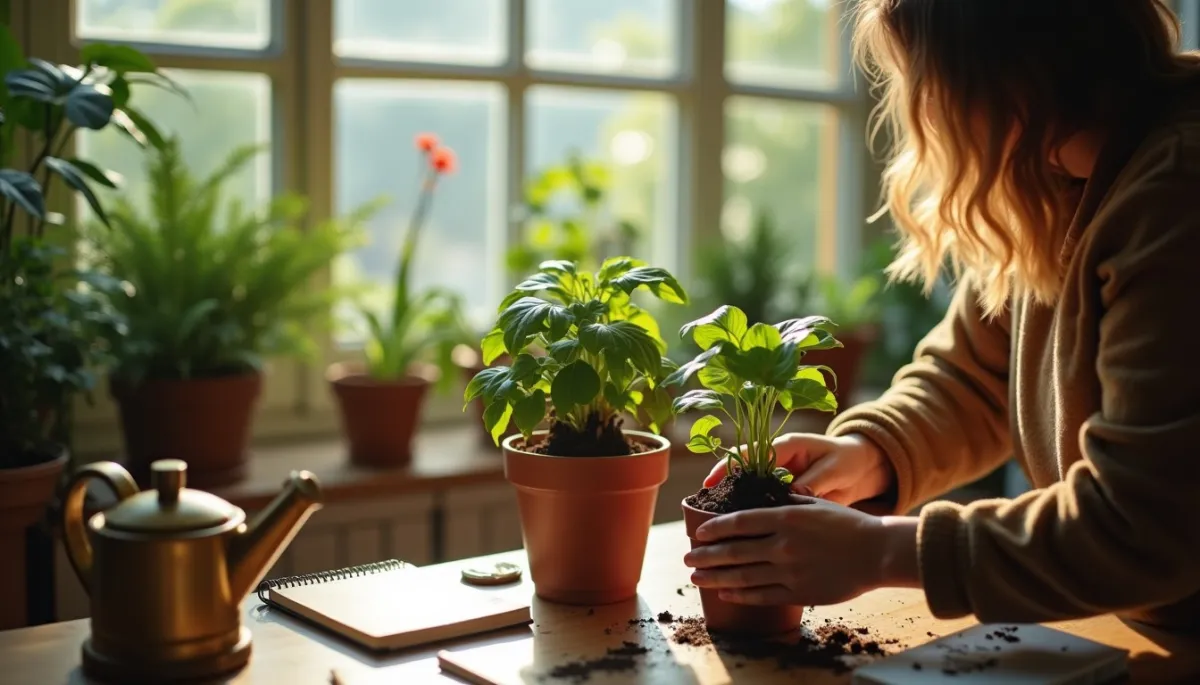
Morning light pours through a city window, a saucer catches a drop of water, and your fingers sift gently through potting mix. You pause, you breathe, and the small green world in your hands responds.
Slow Gardening is more than a trend. It is a practice that reframes routine plant care as a restorative act, accessible in flats from Madrid to Manhattan, in 2026. By lowering tempo and heightening attention, household plants become partners in wellbeing rather than decorative props.
Leaves and quiet
The consequence is observable. People report reduced anxiety after routines as simple as repotting a pothos, pruning a fern, or wiping dust from a fiddle-leaf fig. Clinics and workplace wellbeing programs in London and Toronto now offer guided plant-care sessions modeled on mindfulness exercises. Retailers such as The Sill in New York pivoted in the late 2010s from pure commerce to educational workshops; by 2024 many of those sessions emphasized slow, intentional practice.
Anecdotes multiply. In Seoul, cafés with indoor gardens invite customers to take part in communal watering. In Parisian apartments, older generations teach younger neighbours how to divide bulbs and save seeds, turning knowledge transfer into shared ritual. Botanical gardens like Kew and Chelsea have long promoted therapeutic horticulture; today their community initiatives incorporate breathwork and sensory-focused plant handling.
On the individual level, Slow Gardening changes daily rhythms. Instead of hurriedly spraying leaves between emails, practitioners schedule short, sensory-rich pauses. A friend in Barcelona keeps a tiny notebook to note new shoots and pests; the act of recording sharpens observation and reduces catastrophic thinking. That tangible feedback is crucial: plants grow on biological time, and witnessing that slowness anchors the gardener.
Roots and tempo
Why now? The cause is layered. Urbanization, digital saturation and post-pandemic reevaluation of home life pushed many people toward slower, more embodied practices. The Slow movement, born with Slow Food in Italy in the 1980s, seeded the language; Slow Gardening inherits that ethos by valuing process over speed. Mindfulness, popularized in the West by Jon Kabat-Zinn and integrated into medical settings since the 1980s, provided the psychological framework.
Climate anxiety also plays a role. Caring for plants reconnects people to ecological cycles on a scale they can influence. When individuals choose native houseplants or swap peat-based compost for sustainable mixes, their tiny acts compound. Community-led initiatives in Berlin and Bogotá show how plant exchanges and potluck-style repotting events build resilience and local knowledge.
Practically, Slow Gardening is easy to start. Pick a plant suited to your light, invest in a small journal, and pick a ritual: observe, smell the soil, check roots, and breathe. Use reclaimed pots, prefer local nurseries for soil and advice, and favor low-maintenance species if time is tight. The point is not purity, but consistency: repeated, attentive actions create mental benefit.
Shadow and light
However, contradictions appear. The Instagram era birthed the plantfluencer, and commodification threatens the introspective aim of Slow Gardening. When plant care becomes content, the tempo speeds up again: perfect photos, staged repots, and rapid consumption of rare specimens can displace mindful attention. That tension is visible in trendy neighbourhoods from Echo Park to Shoreditch.
Equity is another issue. Not everyone has access to light-filled homes, community gardens, or affordable plants. Municipal programs that subsidize indoor greenery for social housing or fund school horticulture are essential to prevent Slow Gardening from becoming an urban luxury. Some cities in 2025 introduced grants for greening interiors and community workshops; those initiatives suggest a path toward broader access.
Looking forward, technology will play a paradoxical role. Soil sensors and apps can help beginners, yet too much automation risks removing the sensory engagement central to mindfulness. The healthiest approach may be hybrid: use simple tools to reduce barriers, while keeping core practices analog and slow. In this balance, tending a leaf can remain a small, radical act of presence.
Thanks for reading, and don't forget, Enjoy Life Moments!