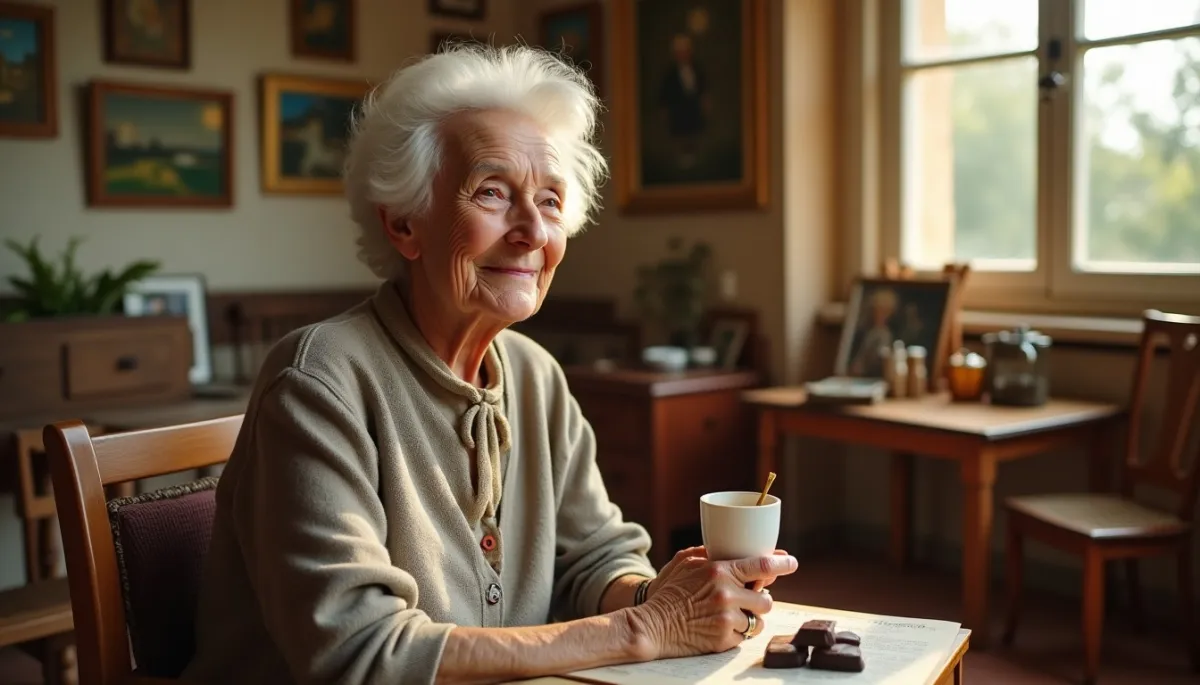
Keanu Reeves: zen philosophy and the quiet generosity of an actor shaped by grief

🚀 Key Takeaways
- Core concept : Reeves's public kindness often reads like applied Zen: simplicity, impermanence and attention to others.
- Practical tip : Small, consistent acts of generosity (time, listening, small gifts) have more social impact than grand public gestures.
- Did you know : Born in Beirut in 1964, Reeves rose to fame with films like Bill & Ted (1989), Speed (1994), and The Matrix (1999).
Quiet, present, unostentatious.
Imagine a subway carriage in Toronto, a man in a denim jacket standing among commuters, taking a call and then putting his phone away to help a stranger with directions. That image, whether literal or emblematic, captures the public aura of Keanu Reeves: someone whose gestures look unrehearsed, immediate and human. Fans describe impromptu moments—signing a single photograph for an elderly admirer, slipping into the background of a café, buying coffee for strangers—that reinforce an impression of modesty rather than cultivated celebrity.
Visage et trajectoire
Keanu Reeves was born on 2 September 1964, in Beirut, and grew up between Toronto and other cities. He emerged on screens in the late 1980s, with Bill & Ted's Excellent Adventure (1989), then achieved mainstream stardom with Speed (1994).
His portrayal of Neo in The Matrix (1999) made him a global icon. The franchise returns him to the spotlight repeatedly, most recently with new installments in the 2010s and 2020s, while John Wick (2014) reinvented him as an action star in a different register.
Beyond box office figures, Reeves is known for a low-key public presence: rare tabloids exposés, a preference for private travel, and performances that mix vulnerability and stillness. Musically, he played bass in the band Dogstar in the 1990s, a detail that humanizes an otherwise mythic career.
Les blessures qui parlent
Loss has marked Reeves's life. In 1993, his close friend River Phoenix died at age 23. In 1999, Reeves and then-partner Jennifer Syme suffered the stillbirth of their daughter, Ava. In 2001, Syme died in a car accident. These events were public, but Reeves responded mostly with silence and measured interviews rather than spectacle.
Such grief shaped his relationships with work and money. Several major outlets reported that Reeves redistributed large portions of his earnings from The Matrix sequels to design and special-effects teams (early 2000s). While precise figures vary between sources, the story has become part of his public legend: an actor who privileges crew wellbeing over personal profit.
His private practice seems to reflect contemplative influences. Reeves has spoken about patience, presence and focusing on the moment—concepts that echo Zen (a school of Buddhism emphasizing direct experience and impermanence), even if he does not present himself as a formal adherent or teacher.
Générosité discrète
Reports and anecdotes form a pattern: purchases for strangers, generosity to crew, anonymity in charitable acts. In 2011, stories circulated about him giving away millions from film paychecks; in 2019, acquaintances described simple, repeated acts—paying for colleagues' medical care or treating coworkers to travel upgrades—rather than publicity stunts.
Those acts align with a quiet ethic: generosity as routine, not performance. This resonates with practices like dana (in Buddhist contexts, voluntary giving) where the value lies in the intention and the letting go of recognition.
Practical takeaway: adopting small, regular habits—covering a coworker's expense, giving time to listen, acknowledging someone's work—creates a ripple effect greater than one-off grand gestures.
Tensions et paradoxes
Keanu's life narrates a contradiction. He is at once a cinematic superstar and a private man whose daily choices suggest ascetic leanings. Hollywood demands attention; Reeves often deflects it with simple acts and reserved interviews.
Another paradox concerns myth versus verified fact. Many stories about him—subway humility, anonymous donations—circulate more as modern folklore than fully documented history. That does not nullify their moral force, but invites critical reading: admire the ethic, verify the fact.
Finally, there is the question of influence. Reeves's example suggests an alternative model of celebrity: one based on sustained small acts, humility and an embodied acceptance of loss. For readers, the lesson is concrete—grief need not paralyze action; it can, paradoxically, deepen care.
Thanks for reading, and don't forget, Enjoy Life Moments!