Micro-rituals: small daily acts that change your day
🚀 Key Takeaways
- Concept clé : Micro-rituals are short, intentional actions (1-10 minutes) practiced daily.
- Practical tip : Start with a 2-minute morning ritual: water, breath, 1 intention.
- Did you know : Interest in short wellness routines surged during the 2020 pandemic, reshaping how people build habits.
Small things can feel like anchors.
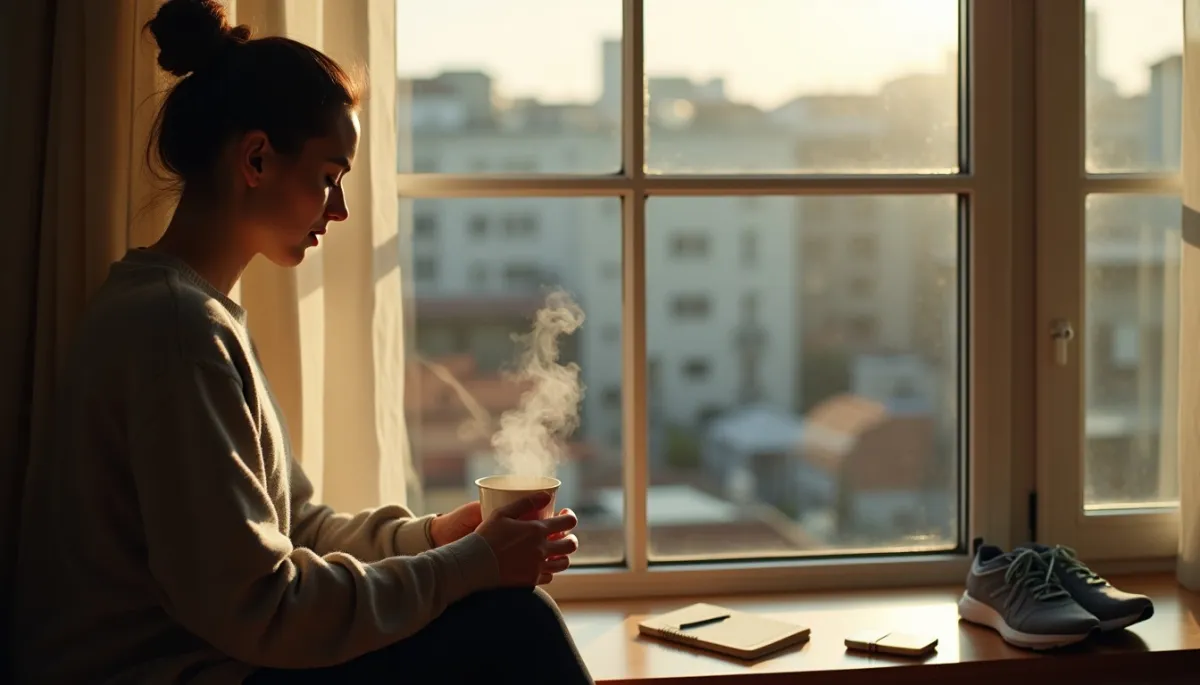
Imagine a 7 a.m. apartment in Lisbon. A person sets a cup of tea on the windowsill, breathes out slowly, and writes today’s single line of intention on the back of a ticket stub. The light is soft, traffic muted. That two-minute pause—no phone scrolling, no to-do list—feels like a tiny lighthouse before the day begins.
Quiet revolution
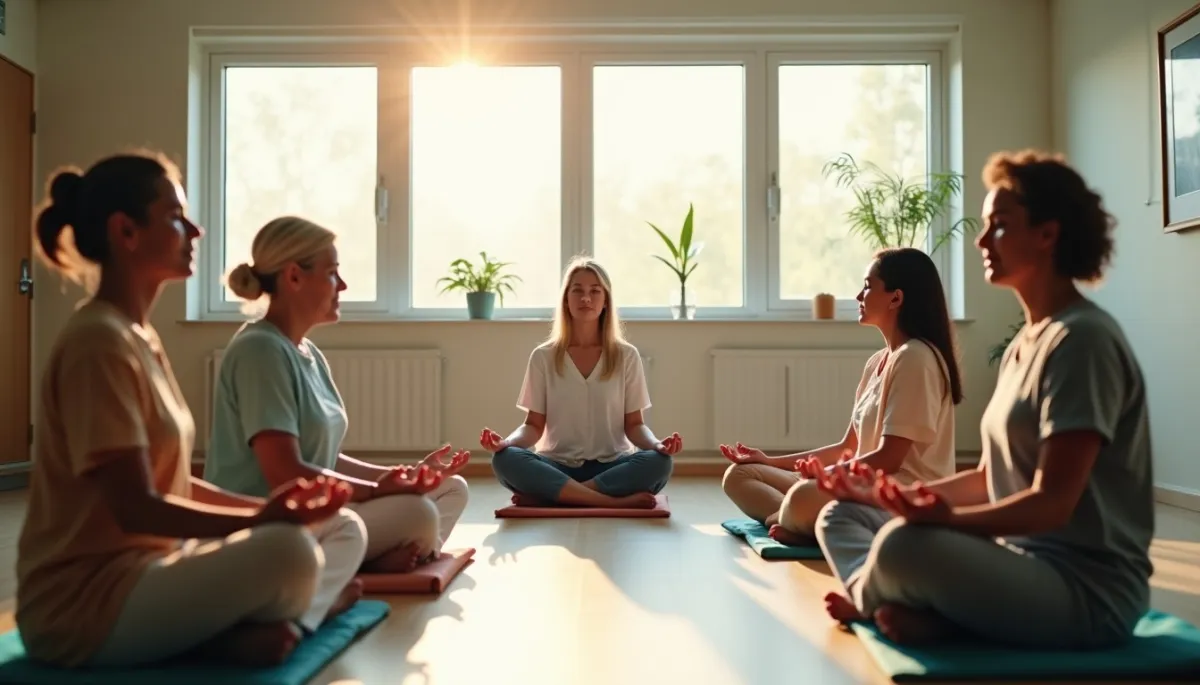
Micro-rituals describe short, repeatable actions intended to create psychological or physiological shifts. They range from a thirty-second stretch, a minute of focused breathing, to a five-minute gratitude note. Unlike full rituals (weddings, religious rites), these fit into modern life without permission or elaborate setup.
Since the global disruption of 2020, many people replaced long-term New Year’s resolutions with daily, bite-sized practices. Apps, social feeds and workplace wellness programs began promoting single-minute pauses. The result: a cultural shift where the cumulative effect matters more than dramatic overhaul.
Real-world examples are everywhere. Author Haruki Murakami is famous for his strict daily routine—writing for long blocks early each morning. Scaled down, creators and managers today adopt micro-rituals: the CEO who spends three minutes meditating before meetings, the teacher who breathes for 60 seconds between classes, the runner who places shoes by the door to signal readiness.
Why it sticks
The popularity of micro-rituals is driven by psychology and practicality. Habit research (for example, a well-cited 2009 study on habit formation) shows consistency matters more than intensity. Short actions reduce friction and decision fatigue, making repetition plausible even on busy days.
Technology amplified the trend. During 2020 and 2021, downloads and engagement for meditation and wellness apps rose sharply, reflecting a collective search for small ways to cope with stress. Meanwhile, employers offered micro-breaks and short guided exercises as part of hybrid work policies, acknowledging that well-being can be built in fragments.
Culturally, these rituals borrow from longstanding practices. Tea ceremonies in Japan, short prayers in many religions, and the Latin American sobremesa (the conversation after a meal) show that humans have long used small acts to mark transitions. Micro-rituals are simply a contemporary remix: intentional, portable, and personal.
Soft edges
But micro-rituals have limitations. Their very simplicity can make them feel ineffectual to those expecting dramatic change. If a ritual becomes another item on a to-do list, it loses meaning. There is also a risk of commercialisation: wellness tools sold as quick fixes without helping users address deeper needs.
Equity matters. Not everyone can carve two minutes in peace. Shift workers, parents of young children, and people in precarious housing often lack the stable contexts those minutes require. Designing rituals that are flexible and attainable across circumstances is essential if the movement is to be inclusive.
Looking ahead, expect micro-rituals to evolve. We may see more workplace designs that institutionalise tiny pauses, urban planners embedding contemplative spaces in transit hubs, and digital tools that nudge without demanding. The key will be to keep rituals meaningful: attached to values, repeated with gentle curiosity, and shared when they enrich community.
Practical starter: pick one tiny act. Make it specific, placed (after coffee, before a meeting), and nonjudgmental. Track it for 30 days, not to chase perfection, but to notice what changes.
Thanks for reading, and don't forget, Enjoy Life Moments!