Mayan astrology: discover your nahual and its spiritual meaning
🚀 Key Takeaways
- Key concept: Your nahual is a day-sign from the Tzolk'in 260-day calendar, a blend of one of 20 glyphs and a number from 1 to 13.
- Practical tip: To find your nahual, consult a certified mangob or daykeeper in the Yucatán or use a reliable Tzolk'in calculator online, then explore local workshops in Tulum or Valladolid.
- Did you know: Interest in Mayan astrology rose worldwide after 2012, but the nahual system has guided Maya communities for centuries.
Close your eyes and listen: the surf, the cicadas, a guanabana vendor calling out on a dusty street.
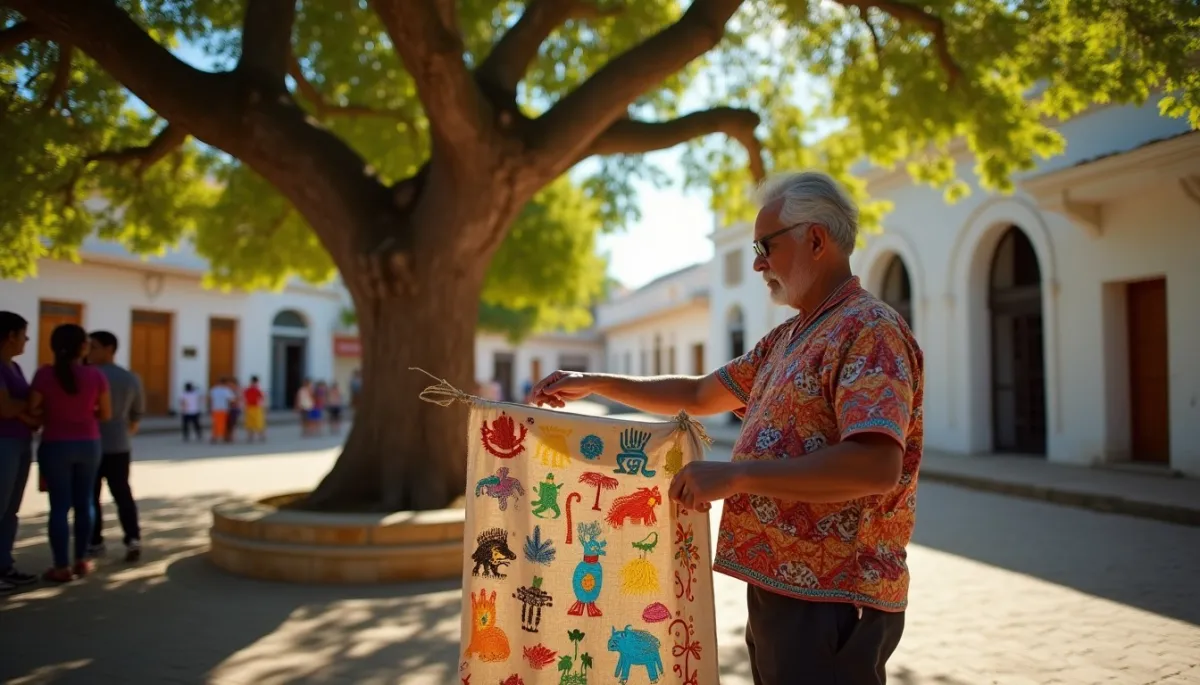
On the corner of a plaza in Valladolid, a small group gathers under a ceiba tree. A local daykeeper traces the Tzolk'in wheel on a cloth, fingers pausing on glyphs that represent jaguar, wind, night, and seed. When your birth day is pronounced, the crowd leans in. The nahual named for that day becomes a lens on character, gifts and challenges. You can almost feel the old calendar’s cadence, a rhythm that still shapes ritual, art and intimate counsel across the Yucatán Peninsula.
signes et structure
The nahual is not a single fixed animal in every Maya language, but a day-sign from the Tzolk'in, the sacred 260-day count used across Maya regions. The system pairs 20 glyphs with a number from 1 to 13 to create 260 unique combinations.
Each glyph, often called a nahual in popular parlance, carries symbolic meanings. Examples include Imix (water and new beginnings), K'an (seed and abundance), Kan (serpent and transformation), and B'atz (monkey and creativity). Traditional keepers associate traits, life paths, and compatible pairings to these signs.
Archaeological records and glyph studies, notably the work of scholars like Linda Schele and Antonio Ortiz, show that Maya elites used calendrical knowledge for rituals and political timing. Today, the Tzolk'in continues to serve both ceremonial and personal uses, from naming ceremonies to choosing auspicious dates.
racines et modernité
Mayan calendrical systems date back millennia. The Tzolk'in itself is part of a larger calendrical knowledge that includes the Haab and the Long Count. While the Long Count gained global attention in 2012, local practice around nahuales persisted, transmitted orally in towns, villages and among contemporary daykeepers.
In the Riviera Maya, post-2000 tourism and a growing interest in ancestral wisdom made nahual readings a sought experience. In Tulum and Valladolid, small workshops teach visitors how to calculate a nahual and explain its archetypal energies. Anthropologists note a revival of indigenous praxis since the 1990s, fueled by cultural pride and economic opportunity.
For many Maya families, the nahual remains a living guide. It informs names, medicinal plant choices, and social roles. The concept overlaps with parallel ideas across Mesoamerica, where terms and practices vary, but the core is similar: time and spirit are linked.
rituels et limites
Experiencing a nahual reading on the Riviera Maya can be moving, but it is not entertainment alone. Authentic encounters often start with an invitation to listen and learn, sometimes including offerings at a cenote or a small ceremony invoking ancestors.
Tourists should be mindful. Commercialization risks flattening nuance. A nahual is context-rich: language, lineage and community protocol matter. Seek recommendations, prefer local practitioners endorsed by community organizations, and respect fees that compensate cultural labor.
Finally, nahuales are interpretive tools, not deterministic verdicts. A day-sign suggests tendencies and opportunities. The most valuable readings combine traditional knowledge with humane counsel, helping people reflect on relationships, life choices and responsibilities.
Thanks for reading, and don't forget, Enjoy Life Moments!