Maya cooking class: hand-pressed tortillas on a wood fire
🚀 Key Takeaways
- Core idea : Traditional Maya tortillas are made from nixtamalized maize (masa) cooked on a comal over wood fire.
- Practical tip : Keep masa slightly tacky, press gently with your palm, and rotate the tortilla on the comal for even cooking.
- Did you know : Nixtamalization (soaking maize with lime) increases calcium and releases niacin, making maize more nutritious.
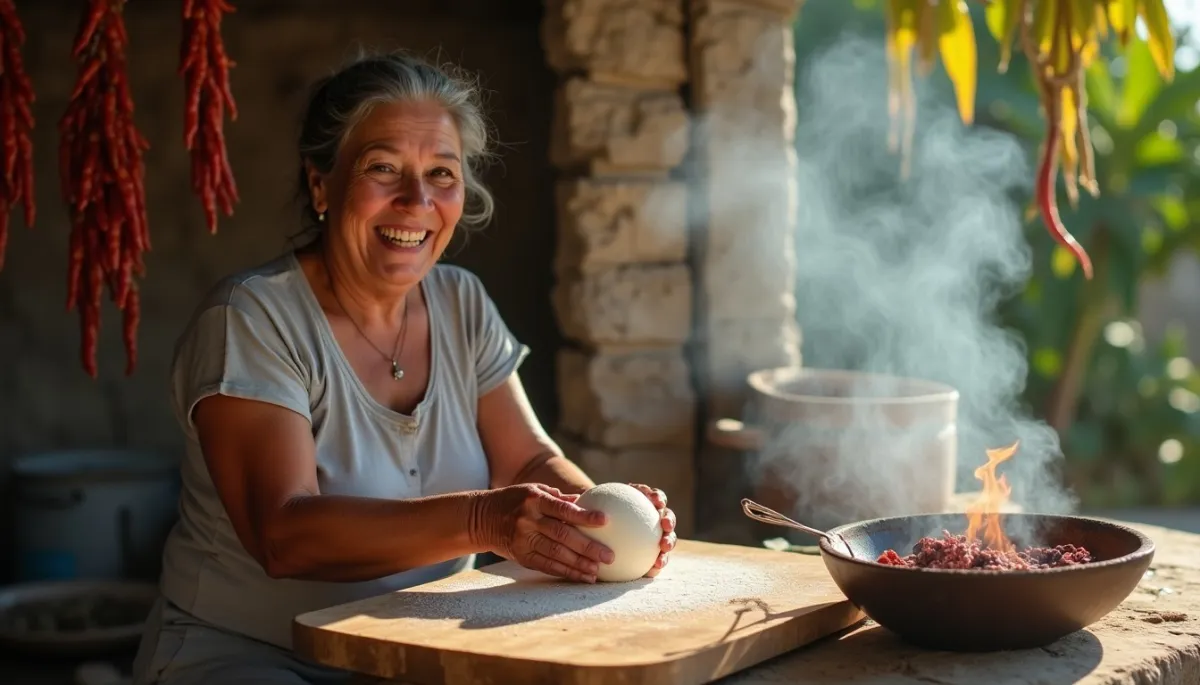
Warmth, smoke, the soft slap of masa on a wooden board. A woman laughs as she shapes a thin, imperfect circle that will feed a family and tell a story.
Old roots, present kitchen
Learning to make a tortilla by hand is not a culinary trick, it is a lesson in time. Maize was domesticated in Mesoamerica some 7,000 years ago, and the process of nixtamalization—treating corn with an alkaline solution—has been practiced here for at least three millennia. Those techniques arrive intact in the Riviera Maya, where classes pair technique with history.
Workshops around Tulum, Playa del Carmen, and inland towns like Valladolid invite visitors to a slow, tactile experience. Instead of a factory-made tortilla, you feel the masa (dough) cool and springy, learn to form its edge with the thumb and forefinger, and watch the comal's heat turn pale dough into a supple disk.
Beyond taste, these classes reveal food sovereignty and cultural continuity. For many local families, teaching visitors is both income and a way to preserve knowledge that could otherwise fade amid tourism development. It is also a way to reconnect visitors to an ingredient central to Mexican identity: maize.
Hands, flame, learning
Classes usually begin with nixtamal. The teacher explains that nixtamalization uses 'cal' (calcium hydroxide) to loosen the hull and free nutrients. This simple chemical step transforms kernels into masa with a unique aroma and texture. In the Riviera Maya, instructors often demonstrate both the traditional method and the quicker masa made from store-bought masa harina.
Next comes the comal and the wood fire. A comal is a flat, usually cast-iron or clay griddle. Wood produces an uneven, living heat; students learn to read smoke and color, adjusting tortillas by feel. Many instructors favor wood for the subtle smoky notes it lends, especially when cooking over charcoal or mesquite, common in local kitchens.
The hand-pressing technique is deceptively simple. Pinch a walnut-sized ball of masa, flatten it between wet palms or inside a plastic bag, then refine the edge with gentle pressure. The trick is to keep the tortilla moist but not sticky. On the comal, it puffs when steam forms; that puff is a sign of proper hydration and heat.
Why this matters now
In the 2010s, culinary tourism surged in the Yucatán Peninsula. Travelers seek authentic experiences, and making tortillas by hand answers that demand. It is part craft, part cultural exchange. Local initiatives, sometimes led by women’s cooperatives, monetize and protect ancestral knowledge by teaching small groups.
Nutrition and sustainability join authenticity. Nixtamalized maize is more nutritious than untreated corn. Studies show nixtamalization increases bioavailability of niacin and calcium, reducing the risk of deficiencies historically linked to maize-dependent diets. Choosing locally produced masa supports small farmers and reduces food miles.
At the same time, there are tensions. Tourism can commodify tradition, and visitors may prefer shortcuts—electric presses or pre-made tortillas—that bypass learning. The best workshops resist that trend by centering local voices, limiting group size, and including context: why maize matters, and the social rituals of sharing food.
Practical tips and local addresses
If you book a class, prefer small, community-run workshops. Ask if the masa is nixtamalized on-site, and whether the instructor explains nixtamalization. Expect to spend two to three hours, including an introduction, hands-on practice, and a shared meal—tacos, salbutes, or simple tortillas with fresh queso and salsa.
On the practical side: keep your hands slightly damp, work quickly, and listen to the comal. If the tortilla sticks or tears, the masa is too dry; add a few drops of water. If the dough slumps, it is too wet. For smoky flavor, use mesquite or dried hardwood, and let embers produce a steady heat rather than roaring flames.
Finally, remember the human dimension. When an elderly teacher in Valladolid taught me to press a tortilla in 2019, she recited a short blessing for the corn. Small rituals like that are part of the lesson. You do not leave with just a recipe, you leave with a story you can tell.
Thanks for reading, and don't forget, Enjoy Life Moments!