Neo-craft: why the handmade object is the new symbol of resistance to overconsumption
🚀 Key takeaways
- Core concept : Neo-craft is the contemporary revival of handmade objects as an ethical, aesthetic and social response to mass consumption.
- Practical tip : Buy from local makers, ask about materials, and prefer repairable goods to reduce waste.
- Did you know : Online platforms and lockdowns (2020) boosted maker sales worldwide, giving new economic life to small artisans.
It feels intimate to hold an object that remembers the person who made it.
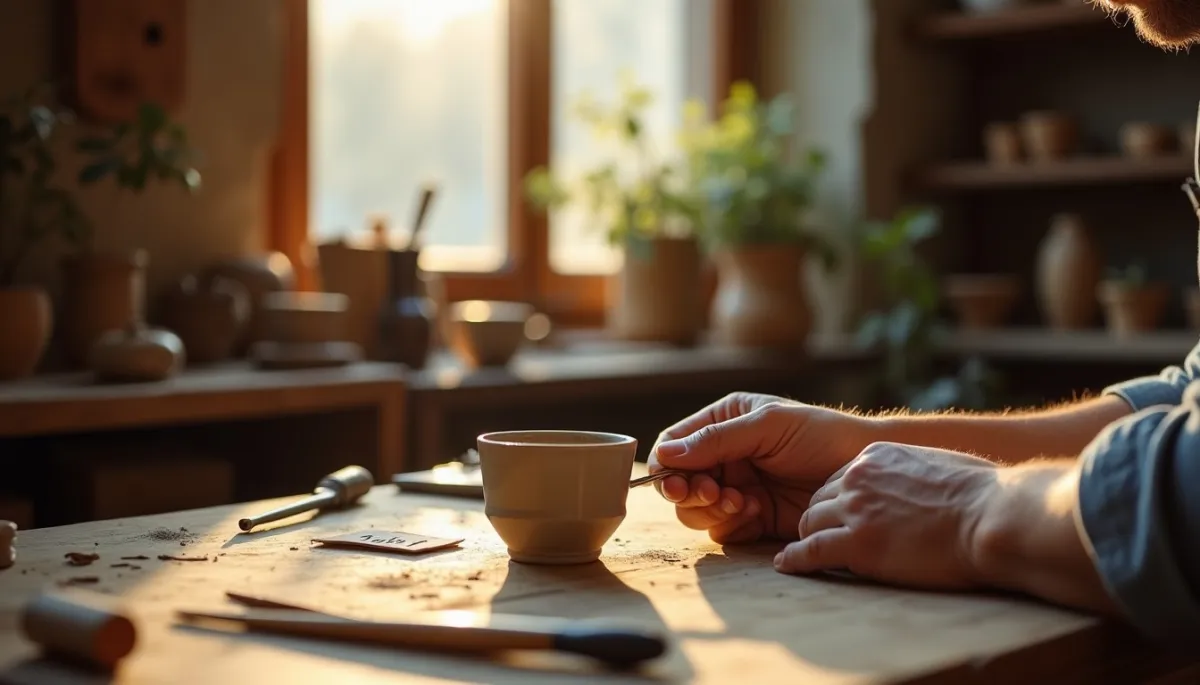
Imagine a Saturday morning in a small workshop at the edge of a European city, light through a dusty window, the rhythmic scrape of a wood plane, a young ceramicist wiping the rim of a cup with a thumb that leaves a faint trace of glaze. Customers come by appointment, they sip tea, they learn the story of the clay, they choose a piece that will age with them. This scene, repeated in many towns and online studios, is part of a broader cultural shift where handcrafted objects act as a statement against throwaway culture.
the new landscape
The rise of neo-craft is measurable. Platforms dedicated to handmade goods, local markets and pop-up ateliers multiplied through the 2010s, with a sharp acceleration during the 2020 pandemic. Lockdowns pushed many to learn crafts like knitting, pottery and woodworking, while consumers re-evaluated the value of domestic objects.
Economic data reflect the trend: marketplaces focused on makers reported significant growth in gross merchandise volume in 2020 and 2021, and craft fairs such as Renegade (founded in 2003) and Maker Faire (launched in 2006) have become vital circuits for independent creators to reach buyers directly.
Beyond commerce, neo-craft shapes aesthetics and lifestyles. Interiors lean toward imperfect ceramics, visible joinery, and repaired textiles. This visible care signals a choice: to keep, to mend, to cherish, rather than to discard.
roots and reasons
The motivations behind this revival are multiple. Environmental anxiety plays a central role. High-profile disasters such as the 2013 Rana Plaza collapse in Bangladesh shifted public attention to the human cost of fast fashion and, by extension, the logic of mass production.
At the same time, social media paradoxically amplified the desire for authentic, tangible things. Platforms that once promoted consumption now broadcast makers' workshops, step-by-step processes, and the personalities behind objects. Buyers want provenance and a story they can relate to.
Economic dynamics matter too. For many artisans, selling directly online or at local markets creates a sustainable micro-economy. Cities like Portland, Copenhagen and Barcelona now host thriving maker communities supported by shared workshops, residency programs and micro-grants from municipalities that see cultural value in local craft economies.
tensions and turns
Neo-craft is not without contradictions. Increased demand can push small makers toward scaling practices that echo the very industrial processes they resist. Some successful handmade brands have hired outside production or purchased molds to meet orders, blurring the line between artisanal and manufactured.
There is also an issue of accessibility. Handmade objects often cost more, which can make the movement seem elitist. To counter this, community repair cafes, skill-swaps and cooperative studios have emerged, offering low-cost access to tools and teaching, so craft culture spreads beyond boutique consumers.
Finally, authenticity can be performative. The challenge for buyers is to distinguish genuine craft—transparent about time, materials and labor—from mere aesthetics. Asking direct questions, visiting studios when possible, and prioritizing repairability are practical ways to support meaningful craft.
small acts, big impact
Buying less but better is a ritual as much as a purchase decision. Choose objects that invite use and maintenance: a chair with replaceable parts, a ceramic mug you can re-glaze, a hand-sewn garment that can be mended. These choices reduce waste and rebuild relations between user and maker.
If you want to start, visit a local craft fair, join a workshop, or follow a maker online and ask about their sourcing. Even small gestures, like learning to sew on a button, shift your habits away from disposability.
In the end, neo-craft is a cultural language. Each handmade object carries a story, and that story changes how we value things. In a world of rapid consumption, choosing an object with fingerprints is a modest but potent act of resistance.
Thanks for reading, and don't forget, Enjoy Life Moments!