Pottery and ceramics: why working clay is the new yoga of the mind
🚀 Key Takeaways
- Core concept : Working clay combines focus, rhythm and touch to reduce stress.
- Practical tip : Start with a 30-minute weekly pinch-pot session to feel immediate benefits.
- Did you know : Pottery traditions like Japan's Jomon date back to 14,000 BCE.
Hands in the mud, breath slows.
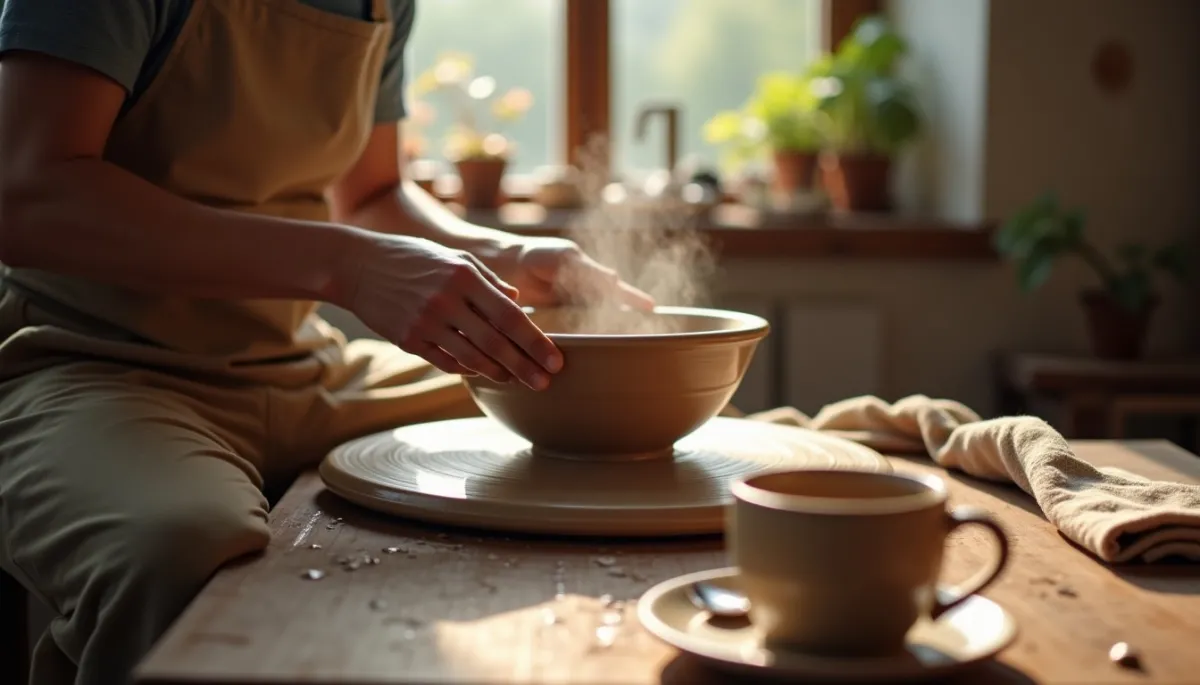
A winter afternoon class smells of wet clay and coffee. Light from a high window catches a spinning wheel; an instructor guides a hesitant pair of fingers toward the clay's center. Conversations are low, phones are silent. Time bends around the tactile rhythm of pinch, pull and smooth.
Clay as calm
The modern surge in pottery is more than hobbyist nostalgia. From community studios in London and Seoul to YouTube channels and home kits, clay has become a tool for mental rest. During the 2020 lockdowns, many cities reported waiting lists for beginner classes and a spike in sales of hand-building kits.
Occupational therapists and art-therapy practitioners have long used clay for its grounding qualities. The act of shaping resists abstract thought and returns attention to the present moment, a state similar to mindfulness practices.
Historically, pottery is one of humanity's oldest crafts. Jomon ceramics in Japan date to around 14,000 BCE. That lineage reminds us that tactile making is both practical and existential, an ancient way to structure time and meaning.
Roots and reasons
Why now? Digital saturation and the stress of modern life push people toward activities that demand presence. Clay requires slow feedback; it punishes haste and rewards patience, which retrains attention.
Culturally, prominent figures have normalized ceramics as serious creative work. Bernard Leach opened Leach Pottery in St Ives in the 1920s, blending Eastern and Western traditions. Contemporary artists like Grayson Perry (Turner Prize 2003) and Edmund de Waal have brought ceramics into public conversation, showing that pottery can be conceptually rich and emotionally direct.
There is also emerging research and clinician testimony about the physiological effects of hand-based craft. Therapists report lower anxiety in clients who engage regularly with clay, and small studies suggest repetitive manual tasks can reduce perceived stress and improve mood.
Shaping the future
However, pottery is not a panacea. Access can be limited by studio fees, kiln costs, and regional availability. Home alternatives, like air-dry clay or small hand-building kits, help but produce different sensory feedback than wheel-throwing.
Commercialization also poses contradictions. Trend cycles can turn a mindful practice into a hobby marketed for perfection, which undermines the very calm seekers seek. The antidote is process-focused practice: accept imperfect bowls and celebrate small rituals.
Practical starter tips: try 30 minutes of hand-building once a week, focus on breathing with each movement, keep a small towel and water nearby, and seek a community class for live guidance. Over months, many students report clearer thinking and a quiet joy similar to what regular meditators describe.
Thanks for reading, and don't forget, Enjoy Life Moments!