Tantrism: a spiritual and sensory path
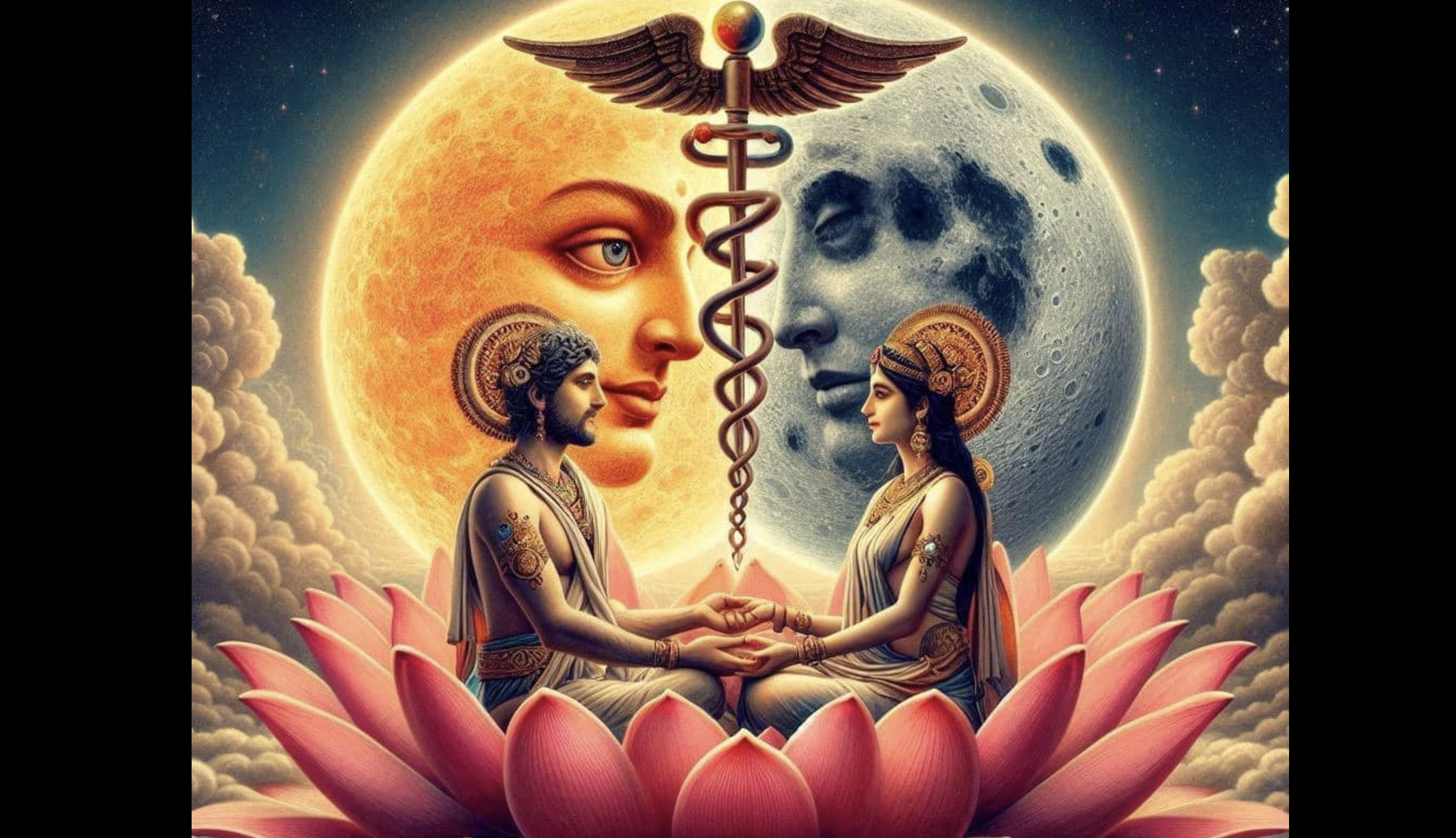
Tantrism is a spiritual and philosophical tradition that has its roots in ancient Indian cultures. Often misunderstood in the West, Tantrism is not limited to sexual practices. It encompasses a wide range of meditative, ritual and philosophical techniques aimed at spiritual awakening and inner harmony.
Tantrism is a rich and complex tradition that offers powerful tools for personal and spiritual transformation. Beyond preconceived ideas, it invites a deep exploration of oneself and the world, in a quest for unity and wholeness.
Origins and evolution
Tantrism emerges within Hinduism and Buddhism between the 5th and 9th centuries AD. The founding texts, called Tantras, contain esoteric teachings that are distinct from older Vedic traditions. These texts offer practical methods for achieving spiritual liberation, often through complex rituals and meditative practices.
Over the centuries, Tantrism has diversified and adapted, influencing various religious and spiritual traditions in Asia. It has also found resonance in the West, where it is often associated with practices of personal development and spirituality.
Fundamentals
Tantrism is based on several fundamental principles:
- The Unity of the Cosmos: Tantrism sees the universe as a divine manifestation, where each element is interconnected. This holistic vision encourages a respectful and harmonious approach to nature and oneself.
- Vital Energy: Known as Shakti in Hinduism, this energy is considered the creative force of the universe. Tantric practices aim to awaken and channel this energy to achieve higher states of consciousness.
- The Transformation of Emotions: Unlike certain ascetic traditions which advocate the suppression of desires and emotions, tantrism proposes to transform them into spiritual energy. Emotions, including those considered negative, are seen as opportunities for growth and liberation.
Tantric practices
Tantric practices are varied and can include:
- Meditation: Concentration and visualization techniques to calm the mind and access deep states of consciousness.
- Rituals: Sacred ceremonies using mantras, mudras (symbolic gestures) and yantras (geometric diagrams) to invoke divine energies.
- Yoga: Physical postures and breathing exercises to harmonize body and mind.
- Sexual Practices: In some tantric traditions, intimate relationships are seen as a means of transcending dualities and achieving spiritual union. These practices are often misunderstood and reduced to pleasure techniques. However, they aim for a profound transformation of consciousness.
Tantrism in the West
In the West, Tantrism has often been reduced to its sexual aspects. This is largely due to the fascination with the exotic and the mysterious. However, a deeper, more authentic understanding is beginning to emerge, thanks to teachers and practitioners who are shedding light on the richness and complexity of this tradition.
Tantrism offers a spiritual path that celebrates life in all its dimensions, inviting everyone to explore their inner potential and find harmony with the cosmos. Whether through meditative practices, sacred rituals, or sensory explorations, Tantrism offers a holistic approach to spirituality that resonates with many modern seekers.