Loving openly in football: the brave path to inclusivity and ending taboos
🚀 Key Takeaways
- Key concept: Visible inclusion reduces isolation and transforms locker-room cultures.
- Practical tip: Clubs can start with education, clear reporting channels, and visible allyship.
- Did you know: Rainbow Laces, run by Stonewall, began in 2013 and is now a global symbol in football.
Love in public can be an act of courage.
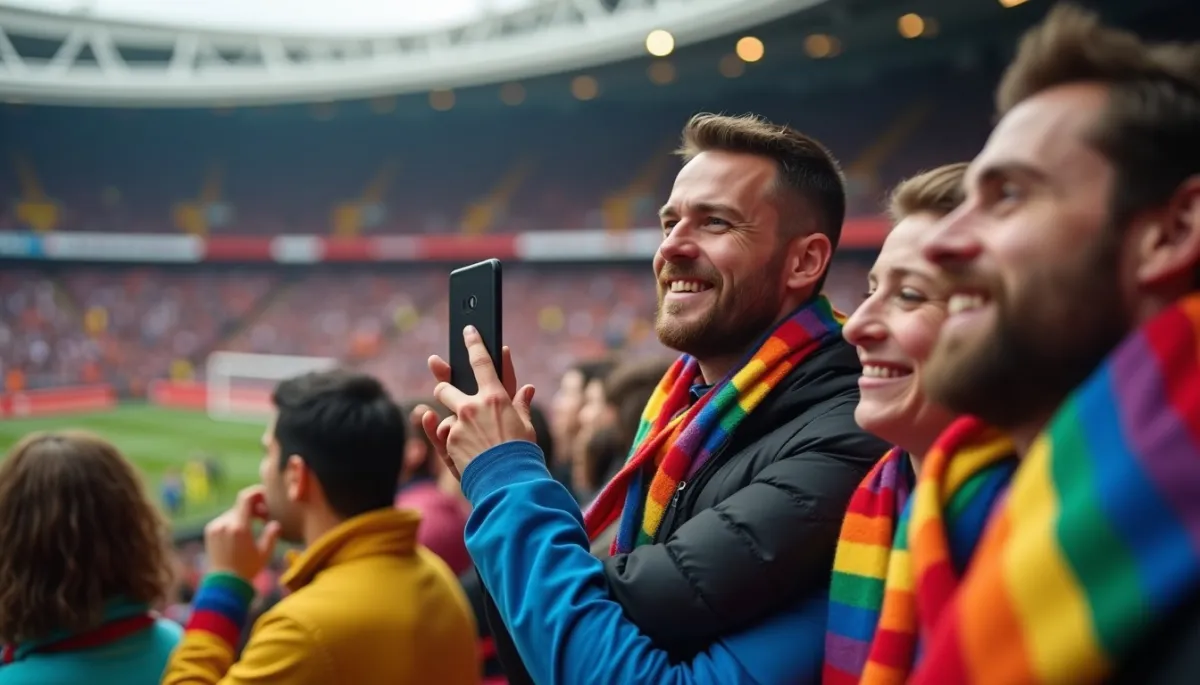
Imagine a midweek Championship match, a teenager on the bench texting family after telling them who they are. The crowd hums, banners flap, and in the stands a group of fans lift a rainbow scarf. Around the ground, stewards nod, social posts ripple, and local newspapers headline support. That quiet, ordinary evening becomes a reframing of what it means to belong at a club.
after the coming out
When a professional player speaks openly about their sexuality, the consequences ripple beyond headlines. Fans discuss, pundits react, and sponsors weigh responses. Sometimes applause follows, sometimes backlash appears, but visibility shifts public perception in lasting ways.
Examples are now part of modern football history. In May 2022 Jake Daniels, a young English professional, publicly came out and received widespread support from teammates, clubs and many fans. Earlier figures, such as Justin Fashanu in the 1990s, faced harsh hostility and isolation, reminding us how far the game has come and how far it still must go.
For women's football, openness has been more common, with players like Casey Stoney and Megan Rapinoe speaking out and shaping policy. Yet at the professional men's level, active players still rarely come out, and that silence affects locker-room culture and grassroots participation.
roots of silence
Why do taboos persist? Partly because football carries strong cultural scripts of masculinity, loyalty and local identity. These scripts make deviation feel risky for a player whose career depends on clubs, fans and media narratives.
Institutions also matter. Until recently, many clubs lacked formal training on LGBTQ+ issues, and reporting systems for discrimination were weak. Governing bodies have made moves, but policies vary across leagues and countries, producing inconsistent protections.
Social dynamics add complexity. Younger fans may be more accepting overall, yet online abuse can be vicious. Surveys by advocacy groups repeatedly show that many LGBT+ people in sport fear coming out because of potential harassment or career consequences.
towards inclusive stadiums
Despite contradictions, promising developments multiply. Campaigns like Rainbow Laces and Pride matches normalize visibility, while grassroots projects create safe spaces for young players. Clubs from top tiers to non-league sides increasingly adopt inclusion officers and ally training.
What practical steps help? Start with education for staff and players, implement clear anti-discrimination policies, create confidential reporting tools, and celebrate diverse role models. Visibility without protection can expose people, so policy and culture must go hand in hand.
Language matters. Define terms simply: 'coming out' means sharing one’s sexual orientation or gender identity publicly, 'closeted' refers to those who hide it, and 'ally' designates supporters who act to defend inclusion. Using plain words helps demystify the conversation and invites participation.
The path ahead asks for small, steady acts. A captain wearing a rainbow armband, a coach running an inclusion workshop, a fan group welcoming queer supporters; together these gestures compound into change. Football, as a social mirror, can reflect a more open society if clubs, federations and supporters commit to the work.
Thanks for reading, and don't forget, Enjoy Life Moments!