Leica: why photographers and collectors revere the camera brand
🚀 Key Takeaways
- Concept clé : Leica stands for precision optics, mechanical craftsmanship, and a powerful brand aura.
- Conseil pratique : Try a rangefinder before you buy; verify serial numbers and provenance when collecting.
- Le saviez-vous : Iconic street photographers such as Henri Cartier-Bresson popularized Leica's 35mm format and rangefinder use.
It feels intimate to hold a Leica.
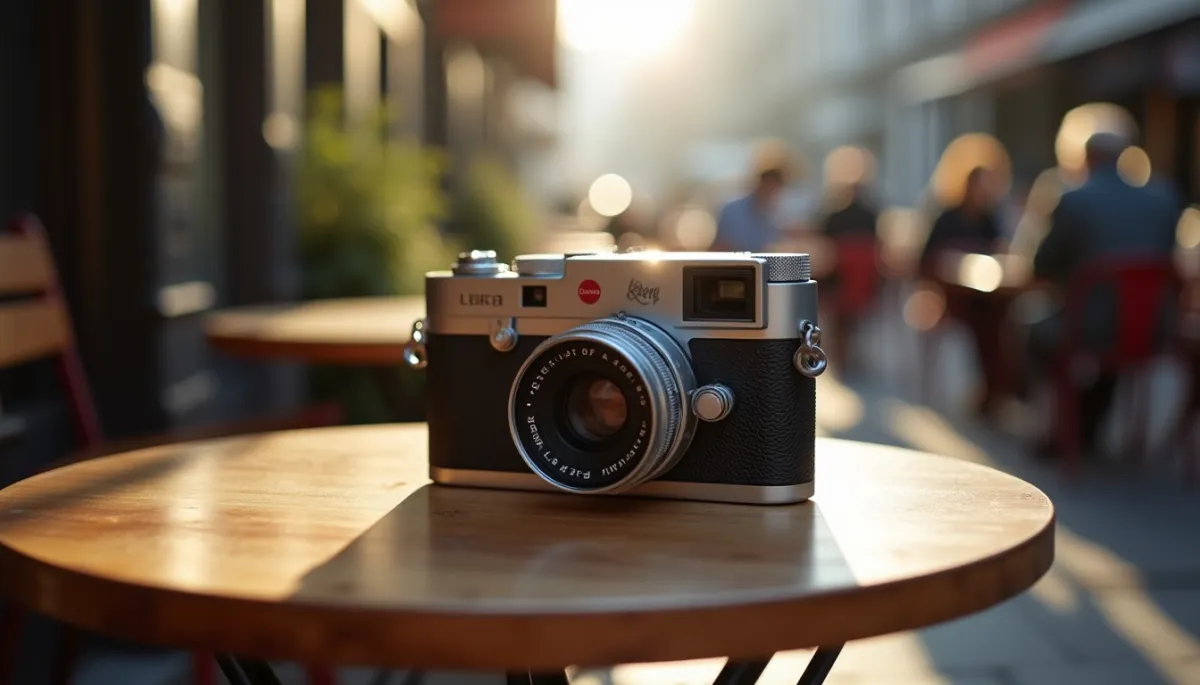
Imagine a grey morning in Paris, a small red dot catching light on a café table. A photographer lifts a compact metal body to their eye, hears a decisive mechanical shutter, and knows the camera will keep a secret of that moment. That tactile exchange between hand and machine is part of the Leica myth.
Red dot legacy
Leica's reputation begins with its pioneering role in popularizing 35mm photography. The company in Wetzlar, Germany, enabled smaller cameras with fast lenses, letting photographers work discreetly on the street, in war zones, and in studios.
Names like Henri Cartier-Bresson and Robert Capa are inseparable from the Leica story. Their published contact sheets and decisive-moment images gave the brand an aura of artistic legitimacy and reportage credibility that feeds collector desire today.
At auction houses such as WestLicht in Vienna, early Leica bodies and rare lenses fetch high prices. Collectors prize first-series models and special editions because they encapsulate moments in photographic history and because provenance can be documented.
The artisanal touch
Beyond history, Leica's craft matters. The company is famous for producing lenses with character—Summicron and Summilux are names that signal optical engineering and consistent rendering. The glass is hand-assembled and tuned to tight tolerances.
Leica bodies are often described as 'built like a Swiss watch'. Materials, metal finishes and manual controls give a satisfying mechanical feedback. Even today, many models receive a level of post-sale service and repair that supports long-term ownership and resale value.
Limited editions, collaborations with designers and fashion houses, and bespoke engravings add a layer of desirability. A camera becomes an objet d'art, desirable to both image-makers and collectors who appreciate rarity and aesthetics.
Quiet contradictions
Leica is also a study in contrasts. The brand fosters an image of artisanal purity while operating in a premium luxury market. Modern digital Leicas incorporate advanced sensors and electronics, yet many enthusiasts remain drawn to film models and mechanical shutters.
Price, too, creates debate. Some photographers argue that comparable technical performance is available for a fraction of the cost from other manufacturers. Collectors counter that Leica's value lies in its accumulated meaning, build quality and secondary-market stability.
Looking forward, Leica navigates contemporary challenges: maintaining manufacturing standards, integrating digital innovation, and appealing to younger photographers. The brand's continued relevance will depend on balancing heritage with accessible creativity.
For those considering a Leica, practical advice: test a camera in hand to feel the ergonomics, research serial numbers and documented ownership for vintage pieces, and consider lenses as the long-term investment in image quality and resale value.
Thanks for reading, and don't forget, Enjoy Life Moments!