Ayurveda for modern life: adapt your morning routine for more gentleness
🚀 Key Takeaways
- Concept key : Ayurveda balances body and mind through morning rituals aligned with your constitution (dosha).
- Practical tip : Try a 5-minute micro-ritual: warm water, tongue scrape, 60 seconds of breathwork.
- Did you know : Interest in Ayurvedic wellness rose sharply in western urban centers since the 1990s, popularized by figures like Deepak Chopra.
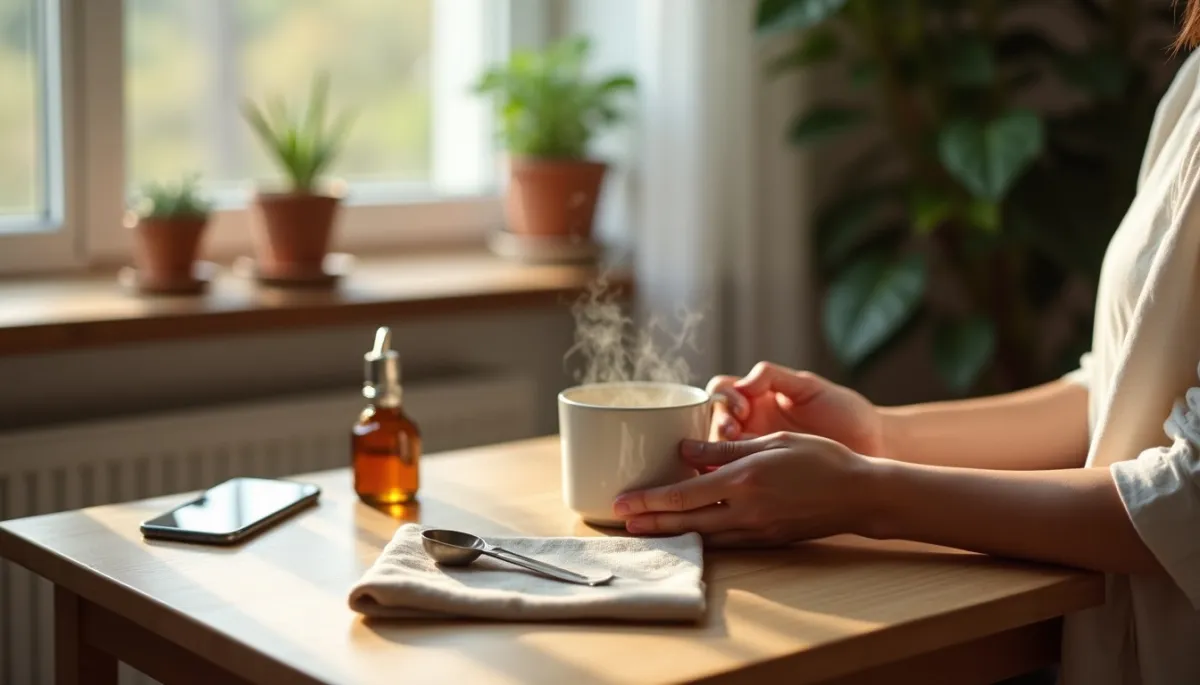
Start soft. Imagine a quiet kitchen, a mug of warm water steaming in your hands, light through the window, and your phone still face down.
Gentle mornings
City mornings are often a sprint. There is traffic, messages and packed schedules. Yet small, consistent acts can change the tone of the whole day.
Ayurveda, a health system with roots in the Indian subcontinent dating back several thousand years, proposes simple morning steps: hydrate, clean, massage and center. These are not rituals of perfection but invitations to presence.
For many modern readers, the barrier is time. A full traditional sequence can take 30 to 60 minutes. The practical answer is to compress: choose one or two core practices and repeat them. Even five minutes creates a measurable shift in mood and focus.
Across cities like London, New York and Bangalore, practitioners have adapted these routines to apartments and studio bathrooms. Wellness studios and online classes now offer 10-minute abhyanga (self-massage) tutorials. This trend shows how rituals travel and transform.
Ancient roots
Ayurveda originates from classical Sanskrit texts such as the Caraka Samhita and Sushruta Samhita, composed over centuries. Its lineage ties medicine, diet and daily habits into a coherent system aimed at balance, or "dinacharya" — the daily routine.
Central to Ayurveda is the idea of doshas: Vata, Pitta and Kapha. These are not illnesses but energetic tendencies that influence digestion, sleep and stress response. A quick assessment, often offered by practitioners, helps tailor morning choices: lighter movement for Kapha, grounding oil massage for Vata, cooling practices for Pitta.
In the West, figures like Deepak Chopra and the spread of yoga since the 1980s brought Ayurvedic vocabulary into mainstream wellness. The World Health Organization in its traditional medicine discussions since 2014 encouraged integrating evidence-informed traditional practices, which helped legitimize adaptations in clinical and community settings.
There are also modern success stories. In 2016, a small primary care clinic in Oxford experimented with brief Ayurvedic-informed coaching for stressed patients, reporting improved sleep quality after six weeks. Such community programs show how ancient ideas can be tested in contemporary healthcare.
Simple adaptations
Tailoring a routine starts with constraints: time, space and family. Here are practical blueprints you can try immediately.
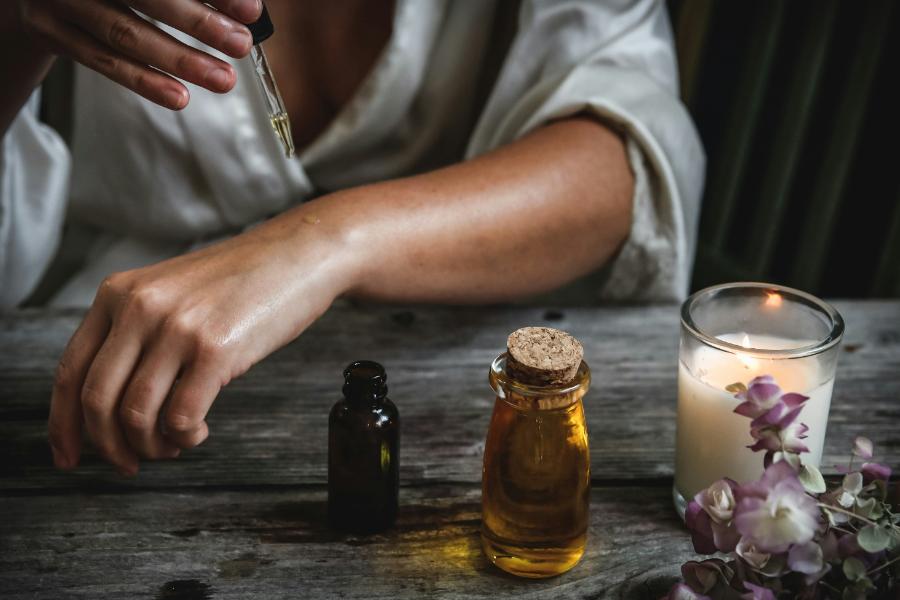
Micro-ritual (5 minutes): warm water on waking, tongue scraping for 30 seconds, 60 seconds of mindful breathing, and a quick wrist and neck stretch. This is realistic for parents and commuters.
Standard ritual (15–20 minutes): warm water, oil pulling or a light mouth rinse, self-massage with sesame or jojoba oil for 5 minutes, gentle yoga or moving breathwork for 8 minutes, then a nourishing breakfast aligned with your digestion.
Urban-friendly swaps: if you lack a bath, use a dry-roller for a quick scalp massage. Replace classical ghee with a teaspoon of olive oil for cooking. If you cannot rise before sunrise, anchor the ritual to another stable point, for instance after your shower.
Practical precautions. Ayurveda values personalization. People with allergies, pregnant women, and those on certain medications should consult a qualified practitioner before dramatic changes. Tongue scraping is safe for most, but forceful practices are unnecessary.
Finally, measurement matters. Keep a three-week log of sleep, mood and digestion. Small rituals build credibility through repeated benefit. Over time, this nudges the brain away from reactivity and toward more deliberate mornings.
Thanks for reading, and don't forget, Enjoy Life Moments!