Slow travel: why travel less but better
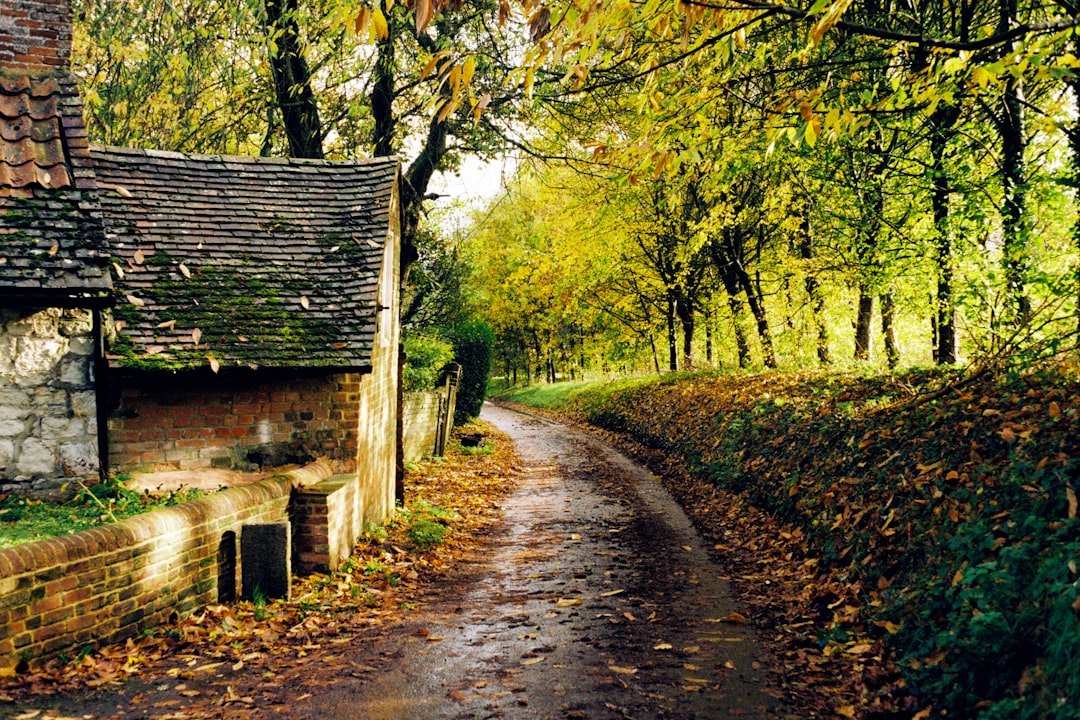
Slow travel is not a passing fad: it is a concrete response to the excesses of mass tourism and climate emergencies. It puts travel back on a human scale, favors duration over speed and values the quality of encounters rather than the quantity of stages.
In this article, we dissect the principles of slow travel, its benefits for you and the planet, and above all, we provide practical and current advice for preparing your stays in 2026 - between teleworking, new rail offers and committed accommodation.
What is slow travel?
Slow travel consists of reducing the pace of travel to immerse yourself in a destination for longer. Rather than connecting cities in a few days, we choose a base and explore at our own pace: culture, gastronomy, walks and authentic encounters.
This philosophy has its roots in the slow food movement and is based on values of sustainability, respect for territories and local consumption. For a general presentation, the page dedicated to the concept on Wikipedia remains a good entry point.
The benefits for you and for the planet
Traveling slowly naturally reduces the number of flights and encourages travel by train, boat or even bicycle. Fewer steps means less carbon footprint and more time to support the local economy through restaurants, artisans and responsible accommodation.
On a personal level, slow travel improves well-being: less stress linked to transfers, more opportunities for human connection and better ownership of the places visited. In 2026, this approach is often cited in travel trend analyzes by specialized media such as National Geographic Travel, which highlights forms of regenerative tourism.
How to prepare for a slow trip in 2026
Start by choosing one or two bases and identify locally accessible activities (hikes, markets, workshops, gourmet visits). Favor soft transport: night trains, regional connections, carpooling or ferries when possible.
Plan by integrating the possibility of working remotely if necessary: check the quality of Wi-Fi, coworking spaces and flexibility of accommodation. Also think about seasonality to avoid tourist peaks and benefit from more authentic experiences.
Practical advice once there
Get involved in local life: take a cooking class, buy from producers, chat with artisans. These interactions transform a stay into a true cultural immersion and support the local economy.
Take simple actions to limit your impact: sustainable accommodation, water and waste management, responsible purchasing. Slow travel also encourages a return to the pleasure of slowness — reading in a café, strolling at the market, taking the time to observe.
Budget, duration and teleworking: organize logistics
Contrary to popular belief, slow travel can be economical: staying longer reduces daily transportation costs and allows you to negotiate weekly or monthly rates for accommodation. The average length of a slow stay varies: a minimum of one week, ideally two to four weeks to really immerse yourself.
New reception policies (nomadic visas, long-stay offers, trains and regional subscriptions) make slow travel more accessible in 2026. Anticipate your professional needs if you work remotely and choose accommodation with a comfortable workspace.
Destinations and formats to favor in 2026
There are many destinations suitable for slow travel: small unspoilt islands, wine regions, natural parks, mountain villages and medium-sized towns with a rich cultural life. Look for places that invest in sustainable tourism and promote local resilience.
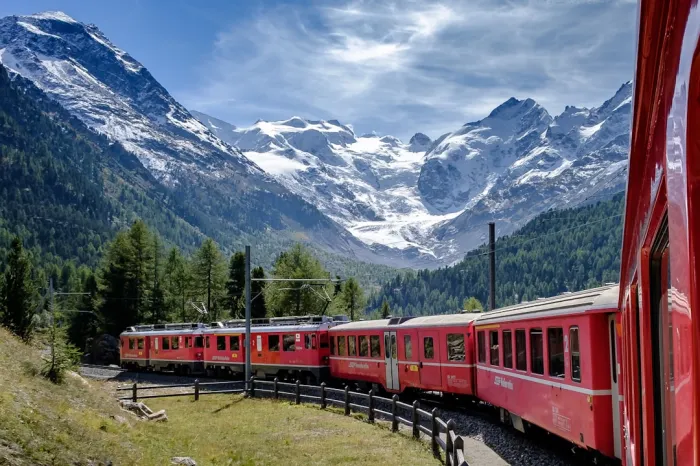
Among the formats that are developing: homestays, welcoming farms, short volunteering, panoramic train tours and thematic retreats (gastronomy, well-being, hiking). These experiences favor quality and human connection rather than tourist zapping.
Before leaving, remember to check local labels (ecotourism, sustainable welcome), reviews from other travelers and flexible cancellation conditions — key elements for a peaceful slow travel.
Thanks for reading, and don't forget, Enjoy Life Moments!