José Mujica's odyssey: the world's poorest president who lived on a farm
🚀 Key Takeaways
- Core concept : Simplicity as political statement.
- Practical tip : Visit rural Uruguay to feel the pace Mujica defended.
- Did you know : He supported Uruguay's 2013 law legalizing regulated cannabis.
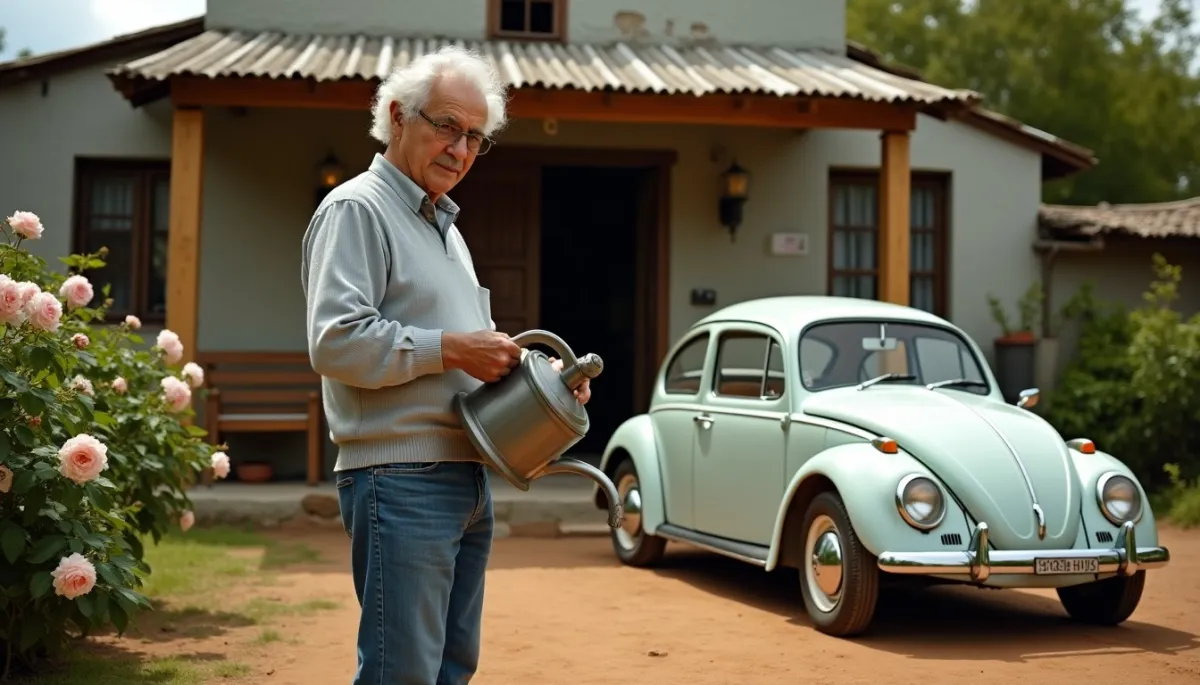
He lives simply. Imagine a small dirt road, an old Volkswagen Beetle, and a low farmhouse where a former guerrilla and head of state waters a vegetable patch.
The humble residence
José Alberto Mujica Cordano was born on 20 May 1935 in Montevideo. When elected president in 2009, taking office on 1 March 2010, he surprised the world by remaining in his modest home rather than moving to the presidential palace.
He and his wife, Lucía Topolansky, herself a former Tupamaro and later senator, preferred a life close to the land. Visitors often remember seeing him pruning roses or fixing the gate, gestures that became symbols of accessible leadership.
He donated the bulk of his presidential salary to charities and small causes. International media dubbed him "the world's poorest president," a label he accepted with humour and critique.
From clandestine to leader
Mujica was a leader of the Movimiento de Liberación Nacional-Tupamaros, an urban guerrilla group active in the 1960s and early 1970s. Arrested in 1972, he spent long years in harsh detention under the military dictatorship, released only in 1985 with the return of democracy.
Those years shaped his politics. He later served as a legislator and became a key figure of the Broad Front coalition. His policies as president combined pragmatic social reforms and a moral focus on consumption and equality.
In 2013 his government passed a pioneering law regulating cannabis, a bold step that drew global attention and reflected his pragmatic reformism.
Contradictions and legacy
Despite praise, Mujica's past raises questions: can a former guerrilla be wholly reconciled with democratic office? He acknowledged violence in the past and insisted on dialogue and institutions as the path forward.
His lifestyle was political theatre and sincere conviction. Critics say symbolism cannot solve structural inequality, yet his approach shifted public debate toward modesty, sustainability, and ethics.
Lessons to keep: engage locally, value time over possessions, and consider rural retreats to recharge. A visit to Uruguay's countryside, its mate rituals and small farms, offers context to Mujica's choices.
Thanks for reading, and don't forget, Enjoy Life Moments!