Tantric massage: the art of mindful, purpose-free touch
🚀 Key Takeaways
- Core concept : Presence-based, non-goal touch.
- Practical tip : Start with breath and consent; avoid rushing to genitals.
- Did you know : Modern tantric workshops spread from Esalen and 1970s Western adaptations.
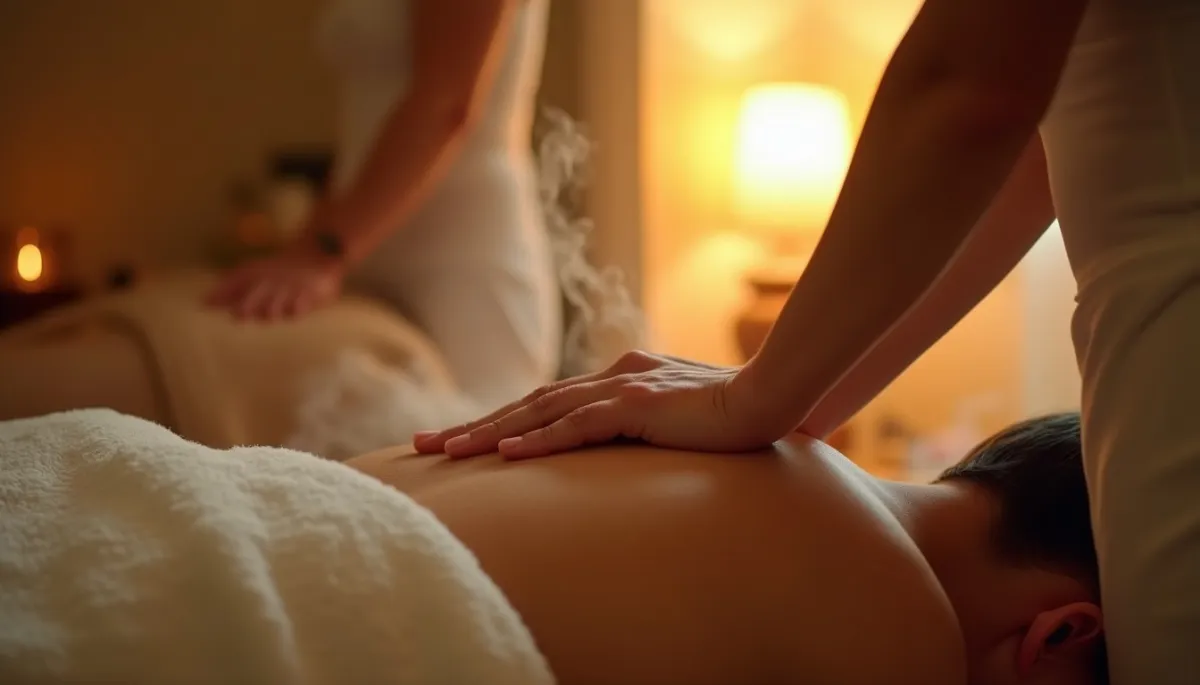
Close your eyes; one hand rests gently on the back, the world slows. Imagine a small room warmed by a lamp, a low mattress, two people listening to breath as if it were music.
Tactile presence
Tantric massage is not a technique to achieve a goal. It is a way of attending, using touch as a language of awareness rather than a means to an end.
Sessions combine slow, intentional strokes, synchronized breathing, and pauses that invite sensation. The practitioner (or partner) keeps attention on what arises, noticing temperature, muscle tone, micro-movements, and emotional shifts.
Neurobiology helps explain why it feels so nourishing. Touch stimulates oxytocin, reduces cortisol, and can lower perceived pain. In practical terms, that means people often report greater relaxation, improved sleep, and a deeper sense of safety after a session.
Racines et parcours
Tantra originates in South Asian spiritual traditions (historical texts and practices evolving over centuries) where body and spirit are woven, not opposed. In the West, ideas were reinterpreted from the 1960s and 1970s, notably at centers like the Esalen Institute in California, which popularized experiential work on touch and intimacy.
Teachers such as Margot Anand helped bring contemporary tantric practices into relationship education and somatic workshops. From urban studios in Paris and Berlin to retreat centers in Bali and Big Sur, tantric massage found varied expressions adapted to modern needs.
One reason for its revival is cultural. Digital saturation, speed, and the hypersexualization of media have produced a hunger for unhurried, consent-driven intimacy. People seek ways to reconnect with sensation, presence, and relational trust without the pressure of performance.
Ethique et précautions
Despite its promise, tantric massage raises questions. Not all offerings are equal. Some studios mix erotic services with therapeutic language, blurring consent and professional boundaries.
Ethical practice includes clear communication, informed consent, and trained facilitators. Always verify credentials, ask about boundaries, and prefer practitioners who explain the process clearly before any touch.
For couples who want to explore at home, here are concrete tips:
- Agree on boundaries and a safe word before you begin.
- Set the environment: warm room, comfortable surface, soft lighting, and no interruptions.
- Start with breathing together for three to five minutes, then use long, light strokes, avoiding genitals unless mutually agreed.
- Keep verbal check-ins minimal but honest: "Is this pressure okay?"
- Finish with silence or gentle conversation to integrate the experience.
Tantric massage is not a quick fix. It asks for patience, curiosity, and the willingness to be present with discomfort as well as pleasure. When practiced respectfully, it can expand intimacy and reframe touch as a healing act.
Thanks for reading, and don't forget, Enjoy Life Moments!