Hyères islands: when the Riviera feels like a wild edge of the world
🚀 Key Takeaways
- Key concept : Small islands with big protection value, mixing marine reserves and car-free life.
- Practical tip : Visit in spring or early autumn, book ferry tickets and bring water and shoes for trails.
- Did you know : Port-Cros became a national park in 1963, one of the first French parks to protect both land and sea.
Sand between your toes, wind in the pines, silence interrupted only by a gull. Close your eyes, you could be far from the continent.
The boats leave Hyères' Tour Fondue or nearby marinas at regular intervals during the season. Within twenty minutes you can be on Porquerolles, the largest and most frequented island, with its Provençal village, shopkeepers and sandy beaches. A forty to fifty minute crossing will bring you to Port-Cros, a patch of protected wilderness famed for its clear water and underwater life. Le Levant, more secretive, harbours the naturist village of Héliopolis and stretches of military or protected land, giving the island a particular atmosphere of privacy and restraint.
îles intemporelles
Here the Côte d'Azur shows another face: less glamour, more geology and wind-sculpted maquis. Paths cut through cork oaks and rosemary, and cliffs drop straight into water the colour of glass.
Since the 1960s and 1970s, protection policies have shaped these landscapes. Port-Cros became a national park in 1963, creating a legal framework for both land and sea conservation. The Conservatoire du littoral later acquired large parts of Porquerolles and Le Levant, ensuring that houses, vineyards and pine forests would not be swallowed by uncontrolled development.
The result is concrete. You will see Posidonia meadows underwater, vital for carbon storage and fish nursery areas. On land, birdlife such as gulls, warblers and occasionally peregrine falcons thrive. The islands' small scale concentrates nature's richness: a single hike can pass beaches, vineyards and wooded ridges in the space of a few kilometers.
racines du silence
Why do these islands feel so removed? The answer lies in history and policy. Port-Cros' national park status (1963) and the Conservatoire's land purchases in the 1970s created long-term protection that many Mediterranean sites lack.
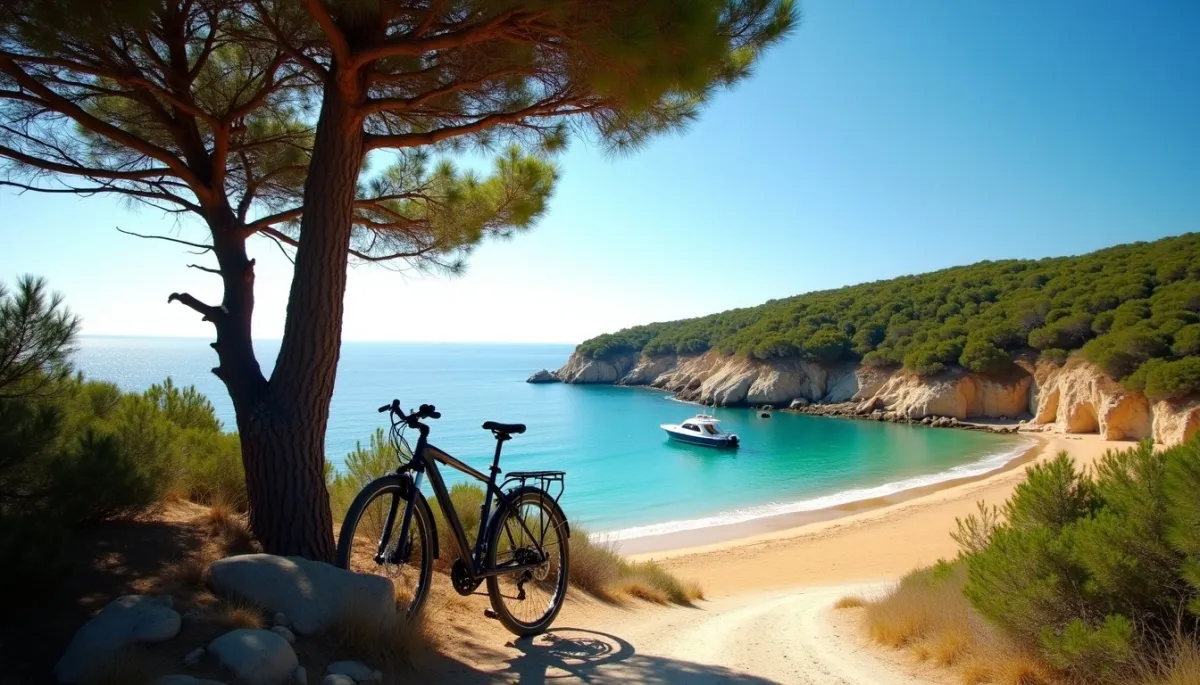
Practical rules reinforce the solitude. Cars are strictly limited on Porquerolles, so bicycles and walking dominate island life. Anchoring is regulated in the islands' surrounding waters, with mooring buoys installed to protect Posidonia meadows from anchors. Rangers and marine wardens patrol regularly, especially during summer months.
Local communities also play a role. Winemakers cultivate small plots of vines on Porquerolles, producing rosés labelled within the Côtes de Provence appellation. Fishermen, island shopkeepers and park staff form a fragile social fabric that supports both conservation and a restrained tourism economy.
fragile équilibre
Yet the wild charm comes with tensions. Summer days can bring crowds and noise, and boats racing for anchor spots damage seagrass. Climate change adds another layer of risk, with warmer waters and stormier winters affecting both flora and fauna.
Managers are responding. Marine protected areas enforce no-anchoring zones and provide marked moorings. The National Park runs awareness campaigns and occasional access limits for fragile sites. Local authorities have improved ferry timetables and parking at mainland embarkation points to reduce illegal drop-offs that disturb protected zones.
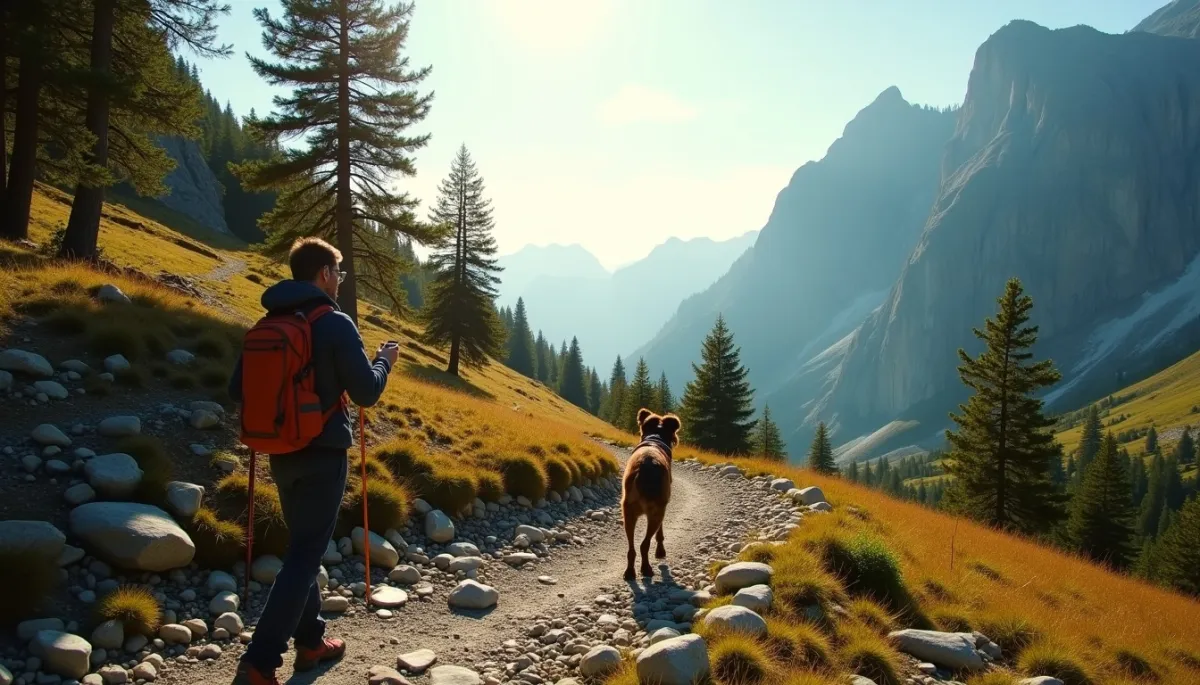
As a visitor, you make a difference. Prefer off-peak months like May, June, September and October. Walk or cycle rather than bringing a car, respect marked trails, avoid touching Posidonia or disturbing nesting birds, and use mooring buoys if you arrive by private boat. Book ferries in advance for weekends, carry water and sun protection, and leave nothing but footprints.
Thanks for reading, and don't forget, Enjoy Life Moments!