Walks and villages to discover around Nice
🚀 The essentials
- Key concept: Short walks connect spectacular views and authentic villages.
- Practical advice: Choose the TER and bus 100, leave early to avoid the crowds.
- Did you know: Nietzsche loved walking the path to Èze, attracted by the light of the coast.
Wake up with the sea on one side, pine trees on the other, and a narrow path that promises discoveries at every turn.
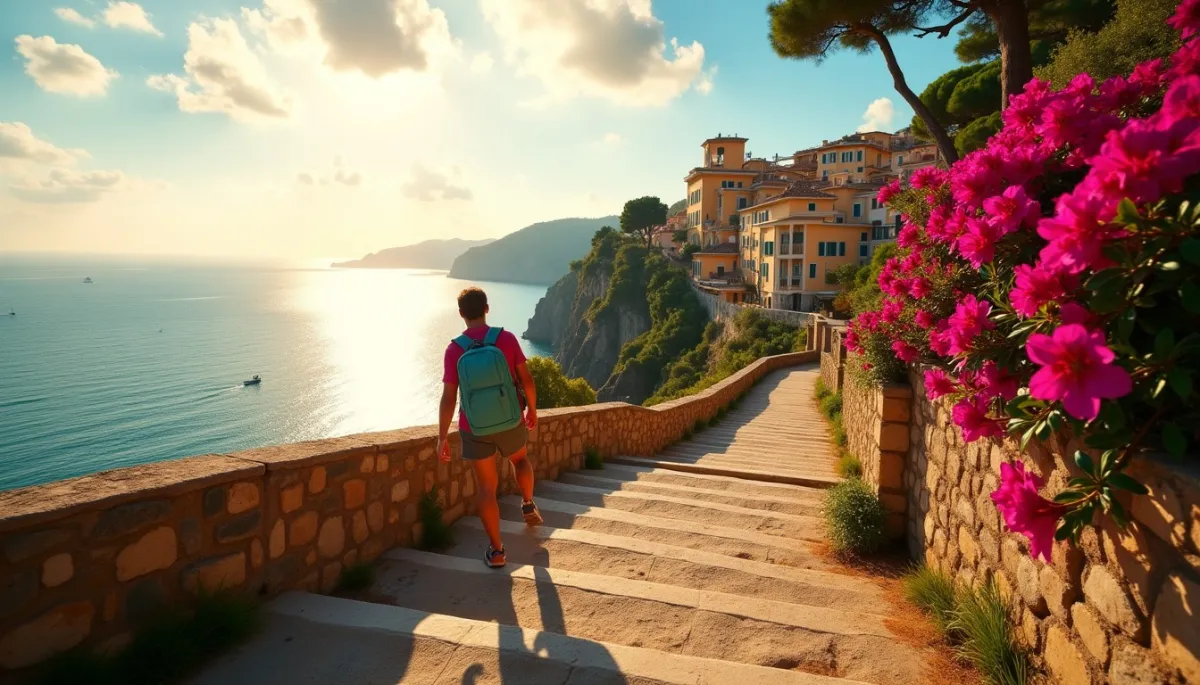
Imagine yourself on the coastal path between Nice and Villefranche, cicadas in the heat, bougainvilleas overflowing the walls, and the bell tower of a hilltop village tinkling in the distance. This image is the gateway to the best short excursions in the region, where nature, history and gourmet stops combine.
Coves and panoramas
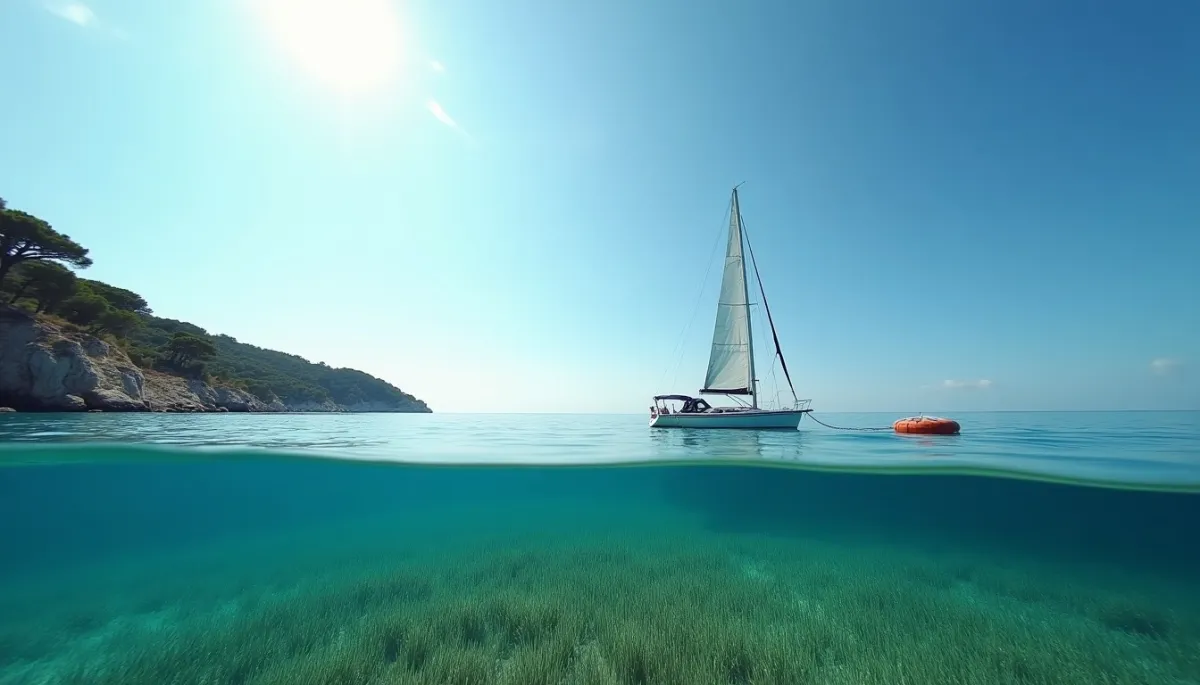
Start with the coastal path at Cap-Ferrat or the walk between Villefranche and Saint-Jean-Cap-Ferrat. These easy loops offer turquoise water, hidden coves and benches to take a break. The light is particularly beautiful at sunrise or sunset.
Bus 100 connects Nice to Menton along the low corniche and leaves near the trail departures. The TER is a practical alternative in summer, when parking becomes complicated.
Concrete example: the Cap-Ferrat loops of 3 to 6 km cross villas, coves and the gardens of Villa Ephrussi, perfect for a snack break facing the sea.
Perched villages and alleys
Èze, Saint-Paul-de-Vence, Villefranche-sur-Mer, Vence or Menton are essential stops. Èze, perched on its rock, offers medieval ruins and the famous Nietzsche path, taken by the philosopher in search of panorama.
Saint-Paul-de-Vence has long attracted artists and collectors. Chagall and Matisse have their traces there, and the nearby Maeght Foundation is a meeting place for modern art lovers.
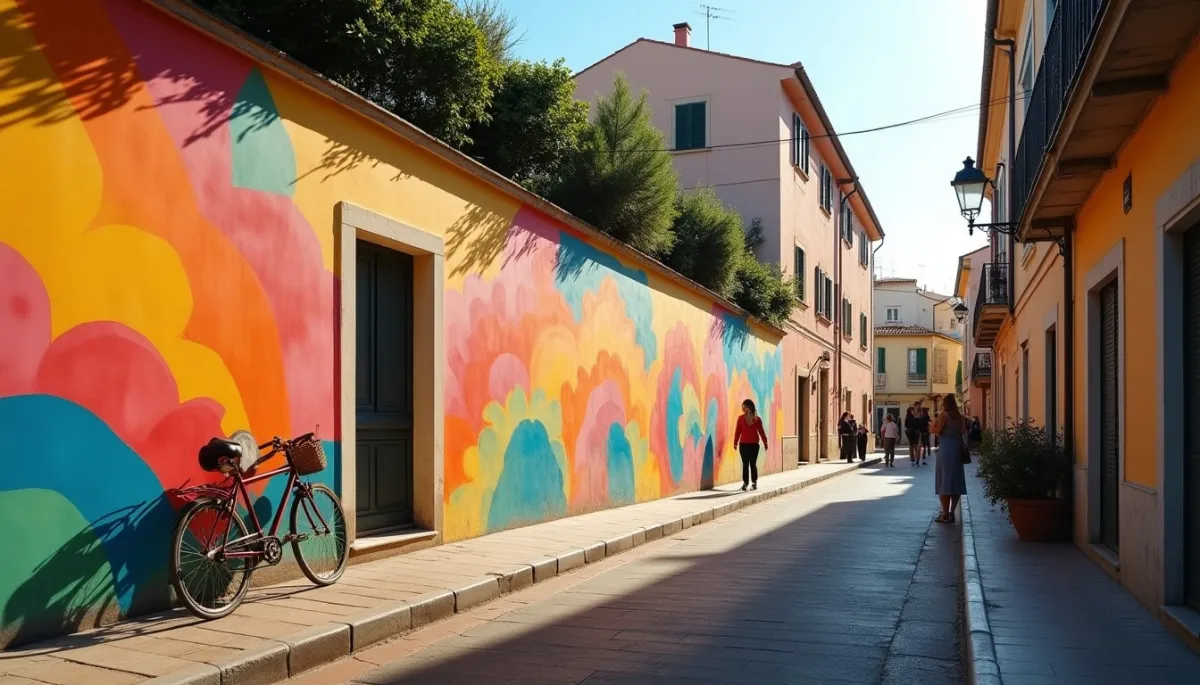
For a more tranquil tone, Gourdon and Peille offer spectacular views without the crowds, and Menton seduces with its lemons, its Belle Époque facades and its lively market in the old town.
Consequences: what we discover on the ground
Taking these paths changes your perspective. A path to a chapel reveals layers of history, from Roman traces to medieval walls. Many walkers report a surprising peace, even in the vicinity of Nice, provided they choose the right routes and times.
Local producers benefit directly. A stop in Vence or Èze can turn into a discovery of artisanal olive oil, candied fruits from Menton or a local wine, Bellet. Buying locally supports the local economy and brings a real taste of the region.
Anecdote: the Col d'Èze is famous for cyclists for the Paris-Nice race. The same slopes offer hikers panoramas that runners quickly enjoy, and often the reward is found in a swim in Villefranche.
Causes: why these walks and villages matter
Geography sheds a lot of light. A jagged coastline and steep hills created natural shelters, observation posts and agricultural terraces. The hilltop villages were safe places, today they are privileged lookout points.
Cultural history is also decisive. The Riviera attracted artists and travelers at the end of the 19th century for its light and climate. This heritage has given rise to museums, foundations and a welcoming culture that brings workshops and small accommodation structures to life.
Finally, economic dynamics push municipalities to promote short marked walks, to distribute visitors, preserve the center of Nice and encourage spending in small communities.
However: tensions and perspectives
There are contradictions. Improving access, by train, electric bike and marked trails, attracts more visitors and creates conservation problems. Villages face seasonal pressure and the cost of maintaining heritage.
Answers are emerging. Some municipalities limit parking, promote public transport and encourage low-impact tourism. Associations maintain the trails and traders open in the shoulder season to smooth the flow.
Practical advice: choose April to June or September to October, bring water and sun protection, reserve your restaurants for the evening, and opt for the train or an electric bike to avoid the hassle of parking.
Thanks for reading, and remember, Enjoy life's moments!