Human sacrifices in cenotes: separating legend from archaeology
🚀 Key Takeaways
- Concept key : Cenotes are natural sinkholes, often sacred for the Maya and used for offerings.
- Practical tip : Visit Cenote Sagrado at Chichén Itzá with a licensed guide and respect signage.
- Did you know : Major finds began with Edward H. Thompson's dredging between 1904 and 1910, a controversial chapter in archaeology.
Quiet water, deep past.
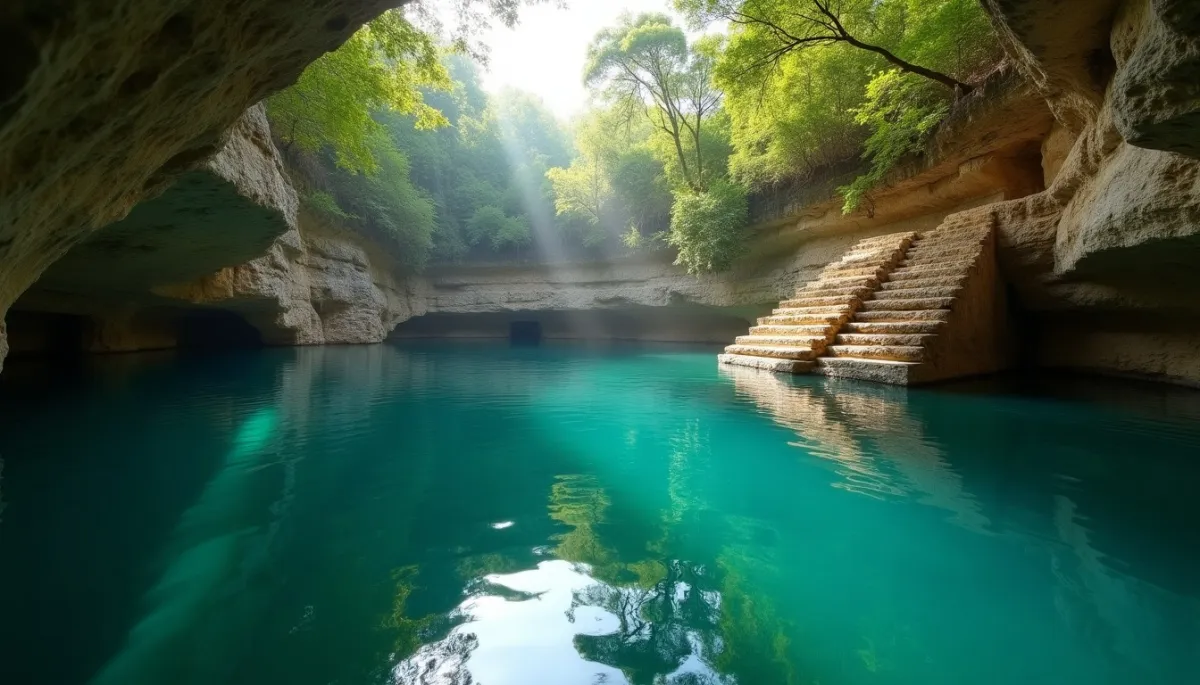
Imagine standing on the rim of Cenote Sagrado at Chichén Itzá as early light fills the hole, a rim of trees reflected in inky water. Local guides point out the carved stone steps and tell of offerings sunk below, of jade, pottery and human bones that once rose from the dark when dredgers worked at dawn. The air smells of limestone and wet leaves, and the boundary between myth and evidence feels thin.
stories in the water
The idea that the Maya performed mass human sacrifices in cenotes is powerful and widespread. Accounts in guidebooks and souvenir stalls often speak of hundreds of victims cast into sacred wells as part of rain rituals, especially during droughts.
Historically, some dramatic finds support elements of that narrative. From 1904 to 1910, American archaeologist Edward H. Thompson dredged Cenote Sagrado and recovered thousands of artifacts, including gold, bells, jade, pottery and human remains. Those discoveries, published in the early 20th century, fed both scientific interest and sensationalist stories.
Yet the archaeological record is complex. Finds include isolated skeletons, cut or burnt bones, and ritual objects. These testify to offerings, but they do not automatically prove the large-scale sacrificial scenes often imagined by tourists and novelists.
methods and meaning
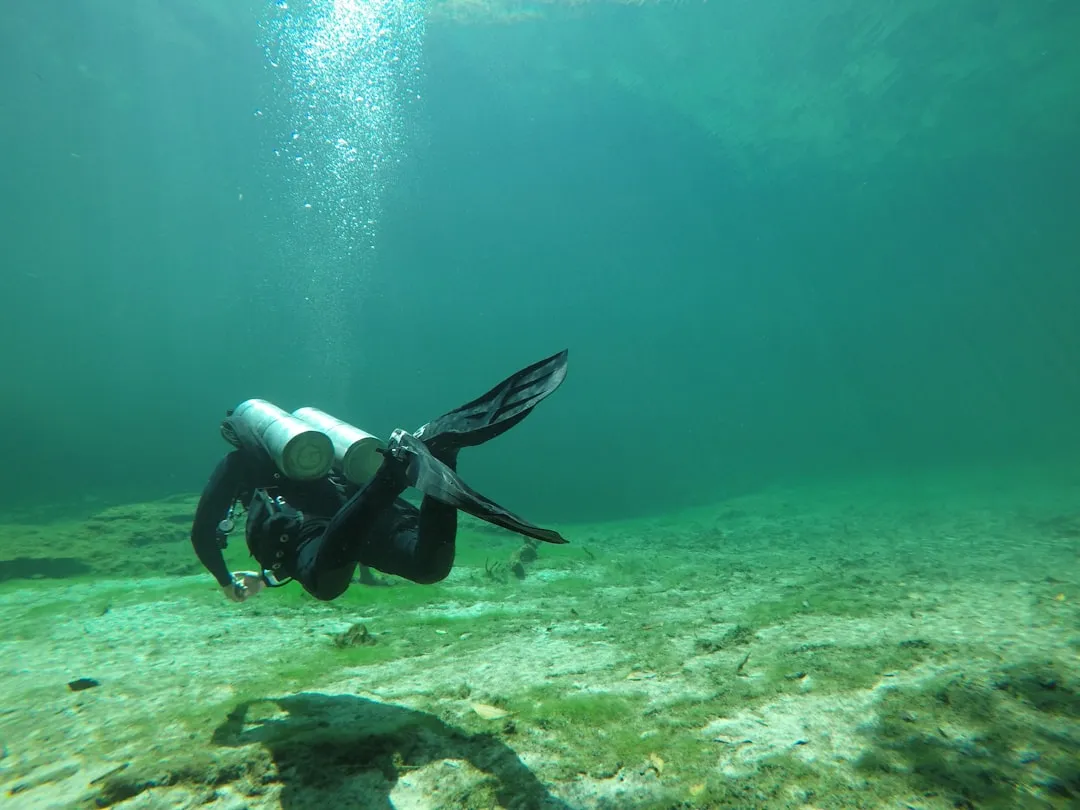
Modern archaeology has refined the tools used to study cenotes. Underwater excavations, radiocarbon dating, osteology and isotope analysis give a clearer picture of who these people were, when they lived, and how they died.
For example, radiocarbon dates from offerings at Cenote Sagrado cluster around the Terminal Classic and Early Postclassic periods, roughly 800 to 1100 CE, a time of political change in the northern Yucatán. Osteological studies show a range of ages among human remains, and in some cases trauma consistent with violent death, in others no clear signs of perimortem injury.
Archaeologists now distinguish between sacrifices (intentional killing as ritual), votive offerings (placing objects or bodies as gifts to a deity), and accidental deposition. This nuance matters. The word 'sacrifice' can imply a single practice, whereas the evidence points to multiple rites across centuries.
controversies and care
Not everything discovered has a clear provenance. Thompson's methods were pioneering for his time, but also destructive by modern standards. Many artifacts left Mexico, fueling debates about looting, ownership and interpretation that persist today.
Recent underwater projects, led by Mexican and international teams, emphasize conservation and local collaboration. New finds are carefully documented and rarely make sensational headlines, but they enrich our understanding. In 2016 and later surveys, small human remains and offerings appeared in various cenotes across Quintana Roo and Yucatán, each with its own story.
Visitors should approach cenotes with curiosity and respect. Read interpretive panels, visit the small site museums such as the Museo del Sitio at Chichén Itzá, and choose responsible operators. This territory blends living Maya traditions, scientific inquiry and the heavy weight of history.
Thanks for reading, and don't forget, Enjoy Life Moments!