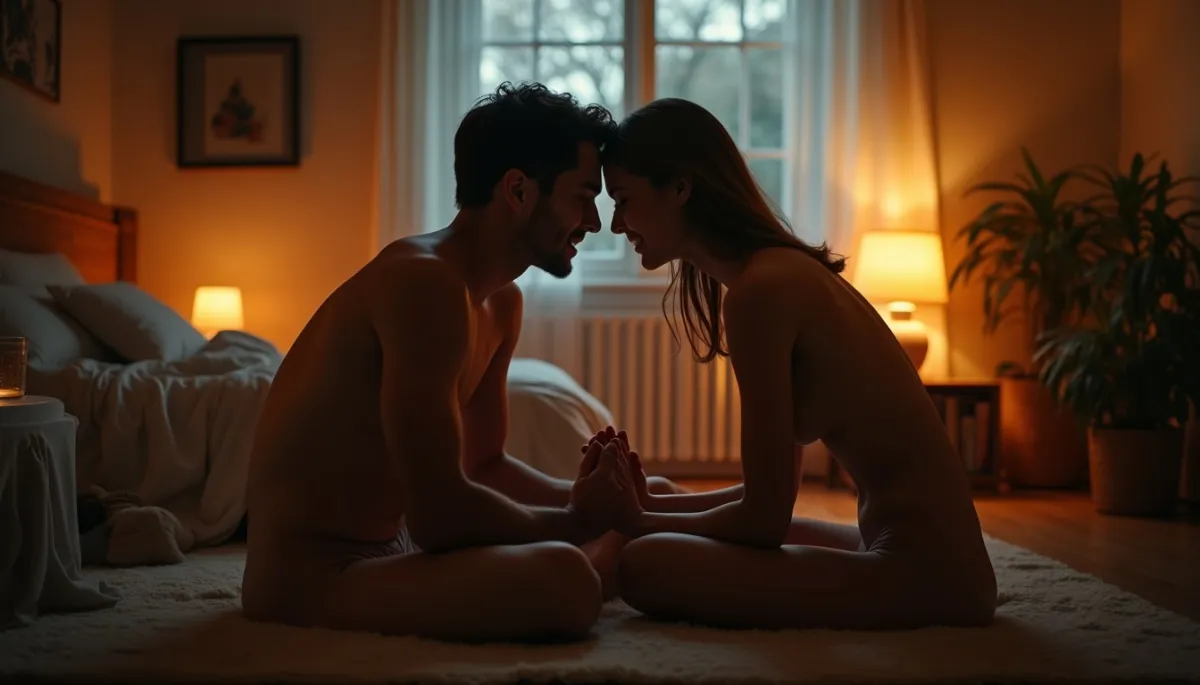
Art as a source of inspiration and escape
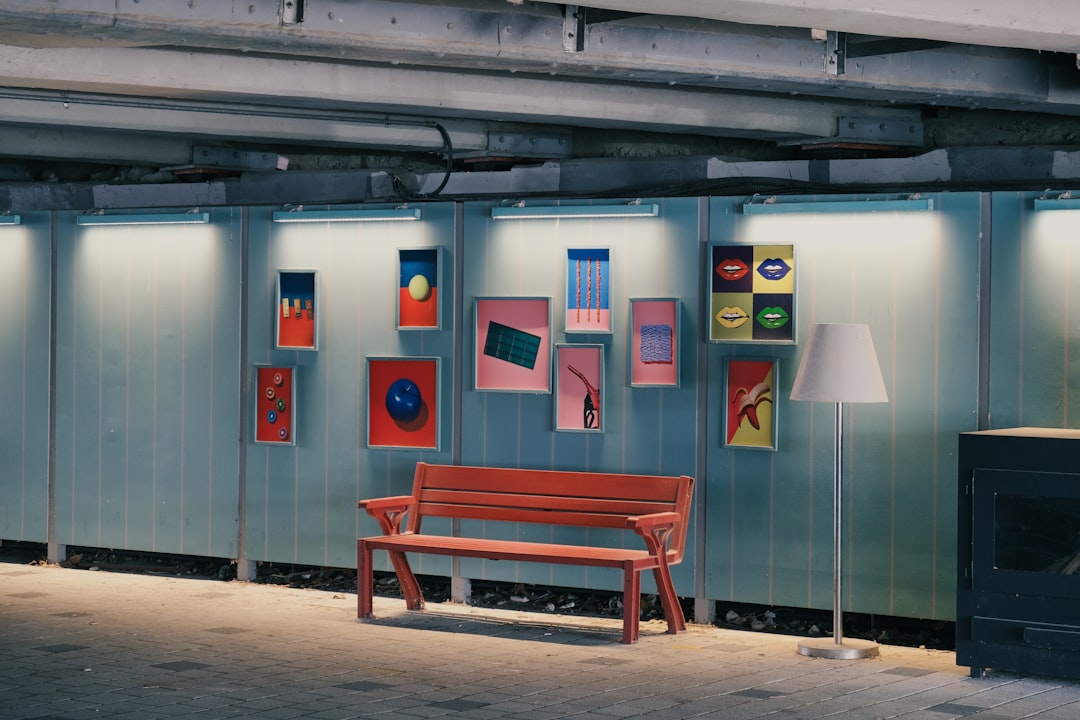
In 2026, art stands out more than ever as a refuge and an engine of creativity. Between digital innovations, artisanal resurgences and collective approaches, it offers keys to reconnecting with yourself and the world.
Whether you are looking for a mental break, a new source of ideas or a sensory journey, art offers accessible routes: galleries, workshops, painted streets, but also virtual experiences that redefine escape. Here's how to explore it and integrate it into your life to draw inspiration and lightness from it.
Why art inspires us and takes us on a journey
Art activates our imagination by mobilizing memory, emotions and symbols. A painting, a sculpture or even a sound can trigger inner stories, open mental images and propel the mind beyond the everyday.
Psychologists and creatives emphasize that exposure to works stimulates associative thinking, enriches emotional vocabulary and nourishes the capacity for empathy — essential resources for imagining other possibilities, both individual and collective.
Art as therapy and well-being
For decades, art therapy has shown its benefits in reducing stress, clarifying emotions and strengthening resilience. For a clear point of reference on this discipline, consult the dedicated page on Wikipedia which takes stock of methods and studies: Art therapy (Wikipedia).
In 2026, the practice becomes hybrid: face-to-face collective workshops coexist with guided sessions via applications and digital programs. Simply incorporating 15 minutes of free drawing or collage weekly can be enough to open up space for creative breathing.
Immersive experiences and the role of digital
Immersive exhibitions (mapping, virtual reality, multisensory spaces) are multiplying and rethinking the way we experience art. The major cultural media talk about it regularly: follow exhibition news in the specialized sections of the press, such as that of Le Monde Culture, to spot key events.
At the same time, AI and virtual environments now make it possible to co-create, explore other styles and visit museums remotely. These tools broaden access to inspiration — provided we keep a critical eye on questions of authenticity and appropriation.
Integrating art into your daily life: rituals and concrete practices
Transform art into a gentle routine: an observation notebook to note visual impressions, a ritual of “slow looking” in front of a work every week, or listening to a playlist created around an exhibition. These micro-gestures nourish the creative spirit without imposing a time burden.
For those who want to go further, try short residencies and weekend workshops, or launch a collective neighborhood street art project. The important thing is to experiment without pressure, to accept imperfection and to prioritize the pleasure of the gesture.
Travel and escape through art
Art also guides the physical journey: biennials, street art trails, local museums and artists' houses offer itineraries that tell a different story about a region. “Slow” cultural trips and creative residencies are becoming sought-after formats to escape standard tourism.
In micro-getaway mode, look for local festivals, workshop openings or street art circuits: they often offer authentic encounters and visual surprises that renew the view of a territory.
Art, community and engagement
Art can also be a lever for engagement and social transformation: participatory projects, collective frescoes or intergenerational workshops strengthen the social fabric and create spaces for shared expression. These approaches show that artistic escape can rhyme with responsibility.
In 2026, many collectives combine art and ecology, pressing on sustainable materials or climate messages. Participating in these initiatives offers double satisfaction: creating while contributing to a useful collective project.
Thanks for reading, and don't forget, Enjoy Life Moments!