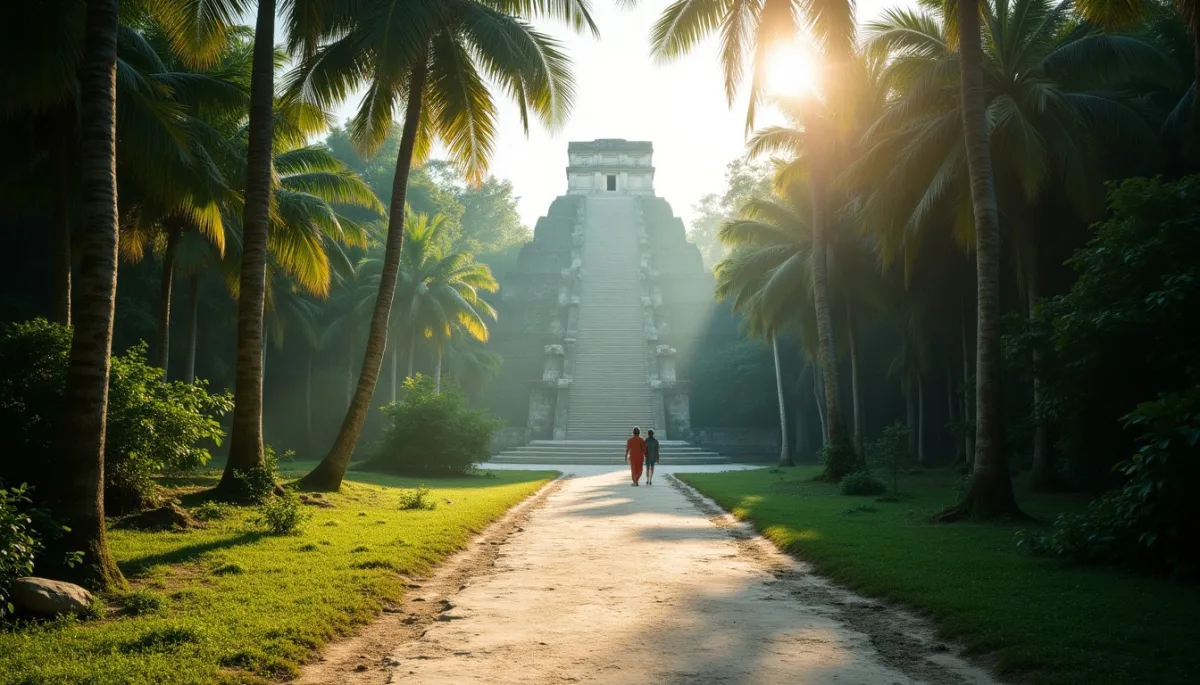
Reconnection to the earth: what the Maya teach us about ecological balance
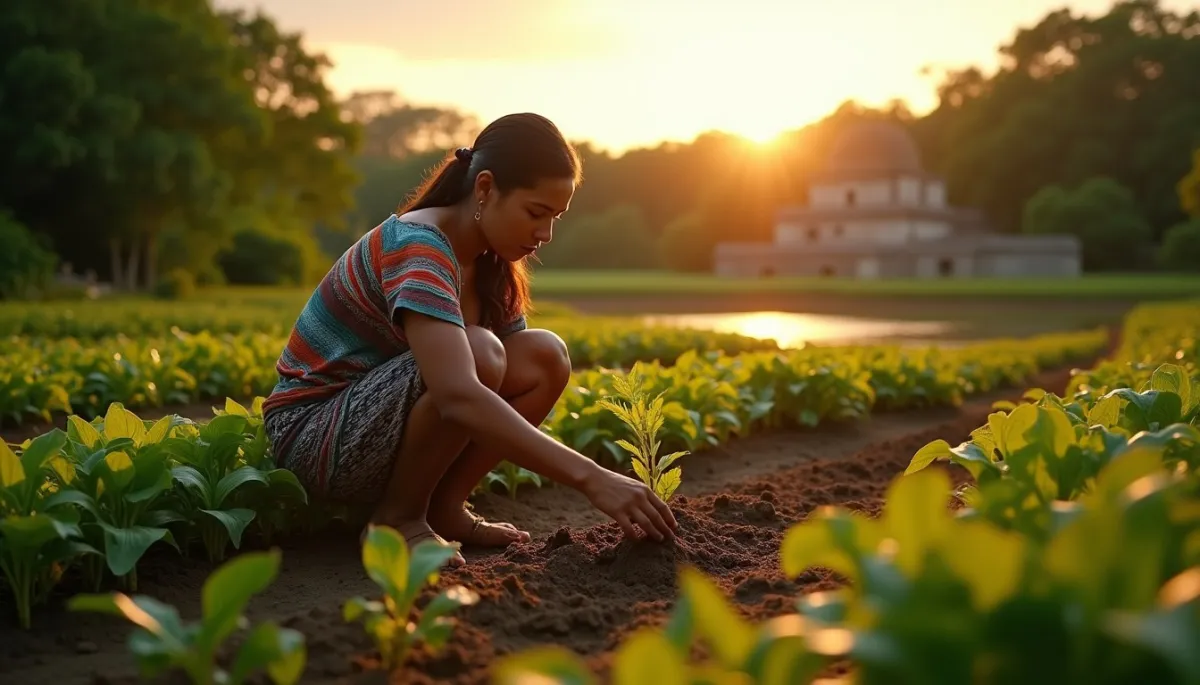
Practical, place-based, and resilient, Maya land practices have consequences we can see: healthier soils, groundwater protection and landscapes that sustain both people and biodiversity. The milpa (a traditional polyculture of maize, beans and squash) is more than a method of cultivation, it is a living memory that continues to shape how communities relate to land, water and time.
Terre et mémoire
Across the Yucatán peninsula, the milpa remains central. Villagers rotate plots, interplant native maize with beans and squash, and allow fallow periods that let the forest recover. The result is soils that keep structure and nutrients without chemical inputs. Tourists who visit community farms around Tulum or near Coba are often surprised to see such biodiversity in small fields: insects, medicinal plants and birds sharing a single plot.
Cenotes, the sinkholes that punctuate the karstic limestone of the Riviera Maya, are another vivid example. Sacred to the ancient Maya and still central to local water cycles, cenotes recharge the aquifer that supplies coastal towns. Protecting their vegetation and limiting runoff is a practical act with direct consequences for coastal water quality and coral reefs off the coast.
The Reserva de la Biosfera Sian Ka’an offers a real-world case. Punta Allen, a village inside the reserve, combines traditional fishing, mangrove protection and community management. The cooperative there demonstrates how local stewardship can maintain fish stocks and mangrove health, benefiting both livelihoods and the wider marine ecosystem.
Savoirs en milpa
Why do these practices persist? The answer lies in a worldview that does not separate humans from nature. Maya cosmology embeds reciprocity: land is a partner, not merely a resource. Concepts such as k'ul (sacredness) and the symbolic importance of the ceiba tree (ya’ax ché) guide how spaces are used and respected. These are cultural regulations functioning as ecological safeguards.
Historically, the milpa evolved as a response to the Yucatán’s thin soils and seasonal rainfall. By combining species with complementary nutrient needs and rooting depths, families obtain food security while maintaining soil cover year-round. This low-input, high-resilience agriculture is a model for climate-adaptive farming today, particularly in regions facing unpredictable rains.
Local knowledge also includes precise hydrological awareness. Generations of observation teach where water gathers, how seasonal floods behave and which plant species indicate water quality. These insights have practical value for modern conservation and for tourists who want to understand the landscape beyond beaches and ruins.
Ombres et futurs
However, contradictions remain. The Riviera Maya’s rapid tourism growth brings resorts, roads and pressure on freshwater. Unregulated septic systems, groundwater extraction and land clearing threaten cenotes and coral reefs. Some traditional practices are under strain as younger generations migrate or shift to wage labor tied to tourism.
Yet innovation is possible. Several hotels and community projects now invest in nature-based wastewater treatment, mangrove restoration and regenerative tourism experiences that fund conservation. Collaborations between NGOs, local cooperatives in Punta Allen and authorities in Tulum aim to merge traditional knowledge with scientific monitoring. These are encouraging, though fragile, advances.
For travelers: choose tours led by local Maya guides, participate in a milpa workshop, avoid single-use plastics, and respect cenote access rules. Small decisions support community economies and help maintain the ecological balance the Maya have been protecting for centuries.
Thanks for reading, and don't forget, Enjoy Life Moments!