The Jet d'Eau of Geneva: the hydraulic engineering behind the region's emblem
🚀 Key Takeaways
- Core concept : A high-pressure pumping system propels water to about 140 m.
- Practical tip : Best views from Bains des Pâquis at sunrise, and bring a light jacket for mist.
- Did you know : The Jet d'Eau began as an industrial safety valve in 1886, before becoming Geneva's emblem.
It stops you in your tracks.
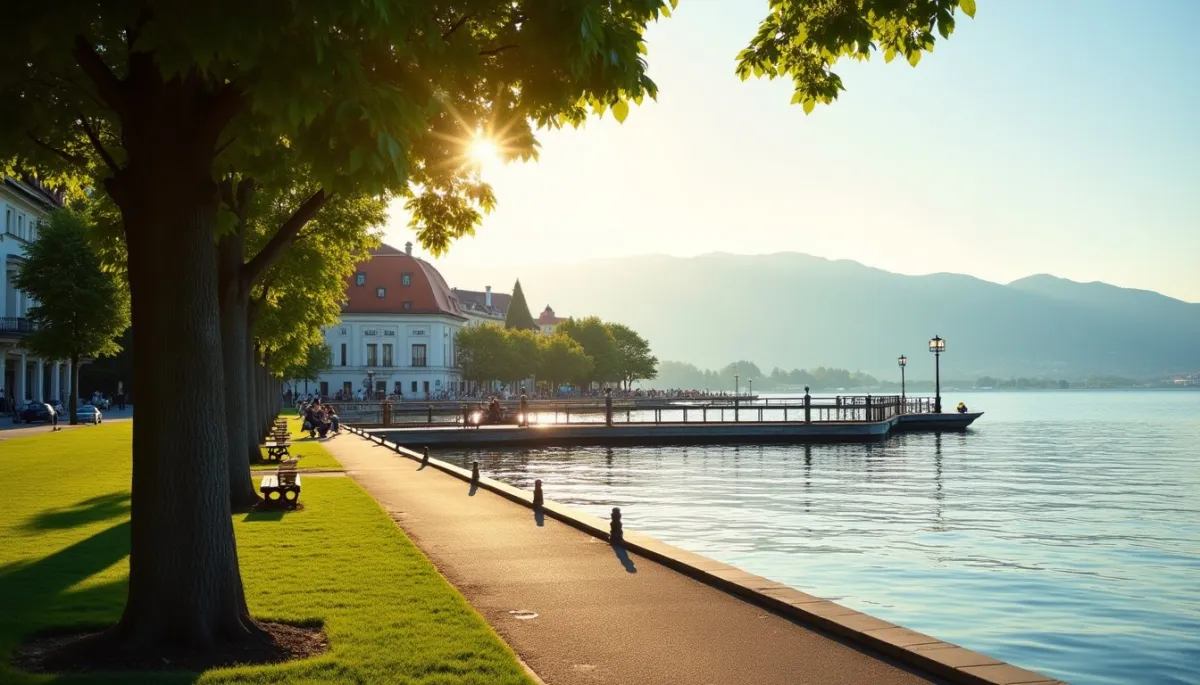
Imagine walking along Quai Gustave-Ador on a clear morning, the Rhône whispering as it leaves Lac Léman, and suddenly the Jet d'Eau rises in a perfect silver column, wind scattering a delicate veil of spray over the pavements and cafés. Tourists point their phones, dogs shake themselves, and the city breathes around that single vertical line of water.
Lakefront spectacle
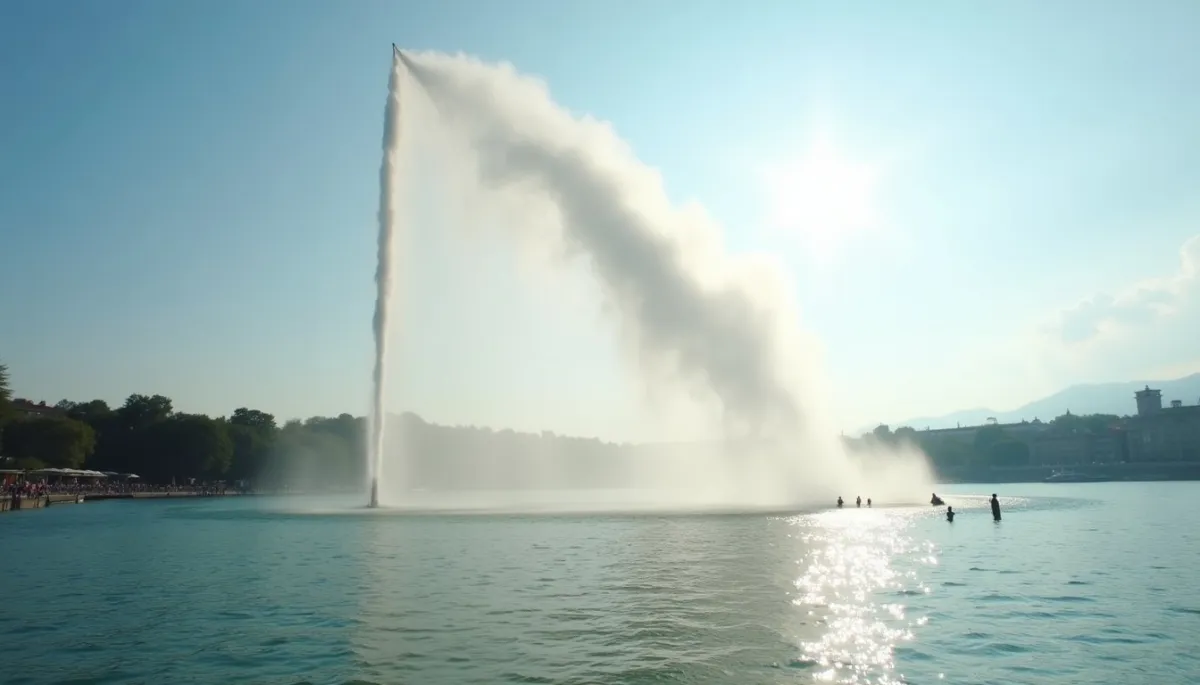
The Jet d'Eau is not just a visual icon, it is an engineered phenomenon. Since its current configuration, the fountain reaches roughly 140 metres, making it one of the highest fixed fountains in the world. This height creates the dramatic silhouette that defines Geneva's skyline, seen from planes approaching Genève Aéroport and from promenades such as Parc La Grange.
Historically, the fountain's story began in 1886 as a safety valve for the hydraulic factory at La Coulouvrenière. In 1891 the jet was moved to the lakefront to become a public display. In the mid-20th century a major modernization replaced the original steam-driven apparatus with electric pumps, creating the verticality we admire today.
When operating, the Jet d'Eau sends water upward at an exit speed of approximately 50 m/s, which is close to 180–200 km/h. Flow rates commonly reported are in the order of several hundred litres per second (often cited around 500 L/s), producing tonnes of water per minute and a fine mist that cools the air nearby.
Pressure and power
How do engineers lift so much water so high? The answer lies in pressure, nozzle design, and robust piping. To reach 140 m, water must leave the nozzle with a vertical velocity that overcomes gravity. In physical terms, this requires dynamic pressure in the nozzle on the order of tens of bars. Practically, the pumping station supplies high-pressure water through a short, stiff pipe to a carefully machined nozzle that minimizes turbulence.
Installed pump power is substantial. To raise several hundred litres per second to that height, electrical power on the order of roughly a megawatt is used while the fountain runs. Pumps are controlled to manage startup surges and to stop automatically if wind or technical alarms threaten safety, preserving both equipment and lake users.
The nozzle itself is deceptively simple: a narrow, smooth throat (a few centimetres in diameter) that converts pressure into speed. The architecture of the intake, filters to keep debris out, and valves for gradual pressurization are as decisive as the pumps. Maintenance teams schedule inspections and winter lay-ups to protect metal and seals from ice and corrosion.
People and practices
Technicians and operators, often unseen, choreograph the Jet. They monitor pressure gauges, electrical loads and meteorological conditions. The fountain is routinely shut down in strong wind to avoid spraying nearby terraces and boats. Geneva's authorities also modulate operation during special events, illuminating the water or synchronising hours for maximum tourist value.
Local anecdotes show the Jet's social role. In 1891 it symbolised industrial prowess, and over decades it has marked international summits, cultural festivals, and personal memories: proposals by the lake, running races that pass its mist, photographers capturing the changing light. It is a civic instrument as much as an engineering one.
For visitors, practical advice matters. Stand upwind if you want a dry view, or risk the mist at Bains des Pâquis for a refreshing experience. Early morning and late afternoon yield the best light for photos. If you prefer details, the stone jetty near the fountain lets you hear the deep thrum of pumps when the wind is calm.
Thanks for reading, and don't forget, Enjoy Life Moments!