Vevey's historic bath cabins: Belle Époque charm on the lakeshore
🚀 Key Takeaways
- Key concept : Wooden lakeside bath cabins are heritage elements from late 19th-century leisure culture.
- Practical tip : Visit early morning to catch the light, combine with a walk to the Alimentarium and the lakeside promenade.
- Did you know : The rise of steamers and railways in the 19th century turned Vevey into a popular lakeside resort.
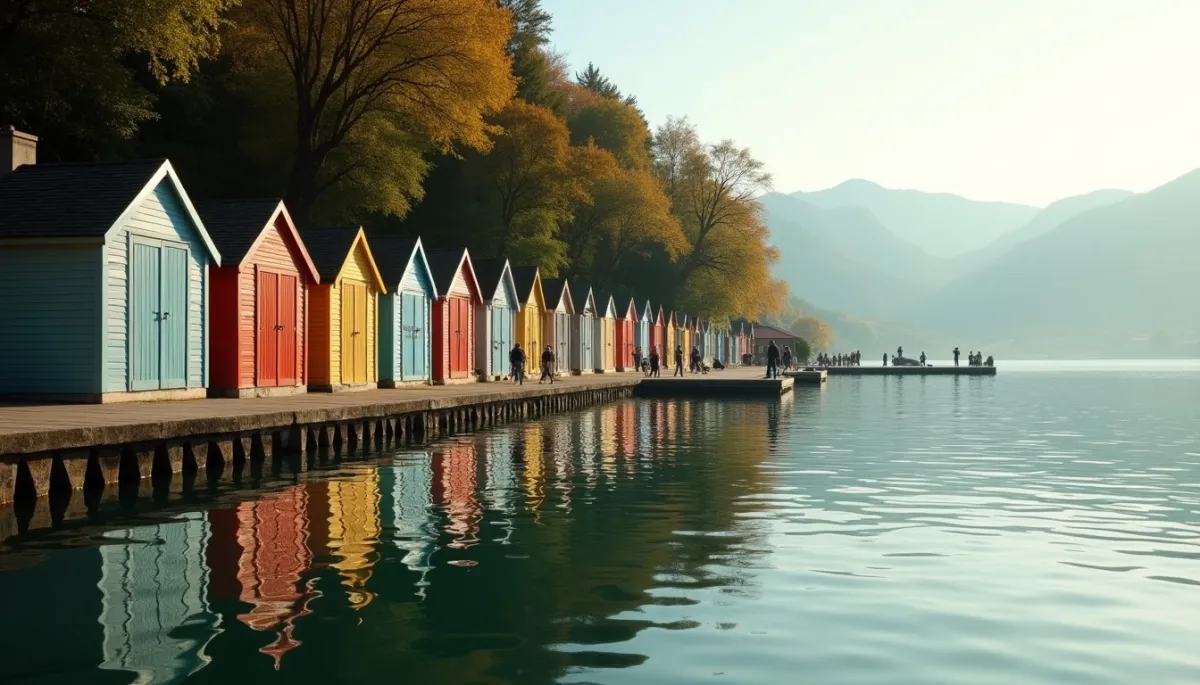
They look like little painted secrets along the water. Imagine a cobbled promenade, the lapping of small waves, and a row of colorful wooden doors where, a century ago, women and men changed for their daily swim.
Dawn by the lake
In the late 19th century, Vevey transformed with the rhythm of steamers and new rail links from Lausanne and Montreux. Tourism grew, and with it a culture of lakeside leisure. Bathing cabins (small wooden huts used for changing and storing belongings) multiplied along the promenade, offering privacy and a civilized way to enjoy the lake.
These cabins were not merely practical. They reflected social codes of the Belle Époque: modesty, discrete gender separation at times, and a taste for orderly, elegant public spaces. Photographers of the era captured families promenading and couples in summer attire, a popular image of Swiss lakeside life.
Today, when you walk the Vevey shore before the crowds arrive, you can still feel that historical rhythm. The cabins, often with hand-painted doors and simple iron hinges, punctuate the landscape like punctuation marks in a long story.
Memory in wood
The materiality matters. Wood ages, it creaks, it needs care. Many of Vevey's cabins are made of pine or larch, treated and painted repeatedly across decades. Restoration projects in the 1990s and 2000s emphasized traditional techniques, respecting original profiles and colors.
Local historians and volunteers have catalogued details: original nails, the pattern of slats, even traces of old advertising for nearby pensions or steamship lines. These small archives help craftspeople reproduce missing elements when a cabin is renovated.
Preservation is also social. Some cabins remain private, inherited by families who have kept the same locker for generations. Others are managed by the municipality or local associations, rented seasonally to bathers. This mixture of public and private keeps the shore lively and authentic.
Riviera today
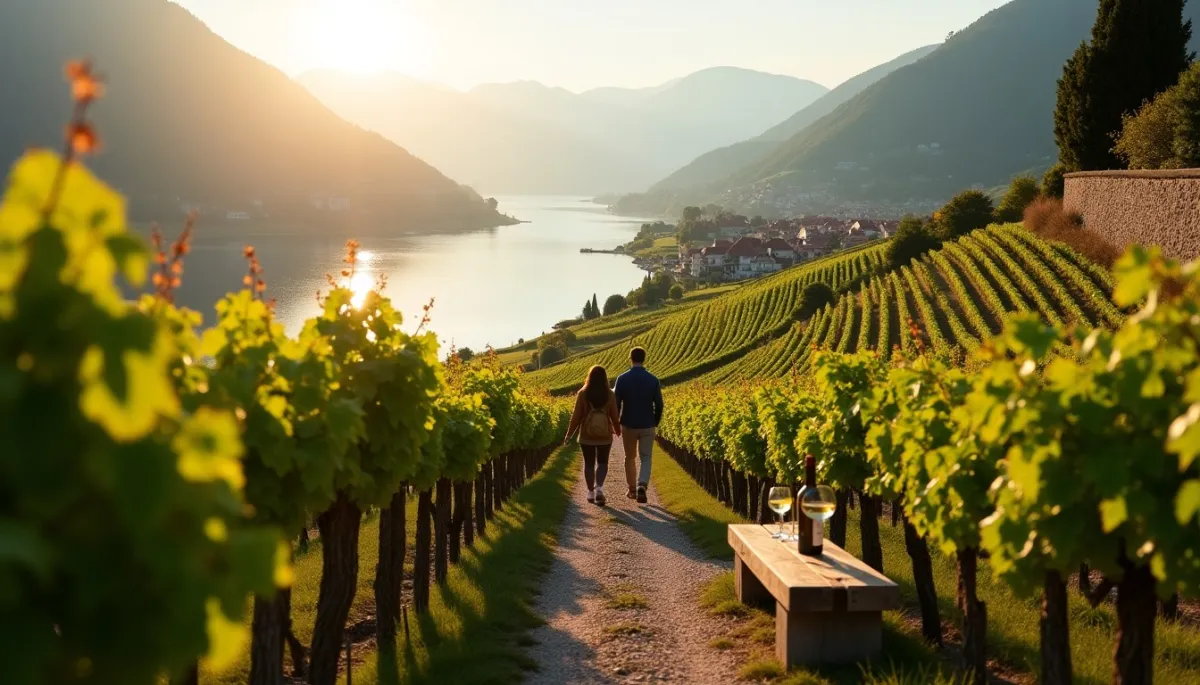
Vevey's lakeside is no museum frozen in time. It is living heritage. On summer mornings, swimmers slip from wooden steps into clear water. On Sundays, families picnic nearby. In autumn, the light makes the painted doors glow against a backdrop of vineyards climbing toward Lavaux (a UNESCO site since 2007).
There are tensions. Modern safety standards, accessibility demands, and climate-related variations in lake level require adaptations. Municipal authorities balance the need to conserve historical cabins with rules about electrical installations, lifeguard access, and stable anchoring.
For visitors, the experience is straightforward and rewarding. Arrive by train at Vevey station, stroll down to the Quai, sip a coffee at a terrace, and look for the small wooden doors. Respectful behavior matters: keep noise moderate, avoid leaving waste, and if renting a cabin, follow local instructions for care.
Practical tips: aim for early morning or late afternoon for the best light, combine your visit with the Alimentarium (the food museum) and a short tram or bus ride to the Lavaux vineyards for panoramic views. Bring water shoes if you plan to swim from wooden steps.
Thanks for reading, and don't forget, Enjoy Life Moments!