Mediterranean gastronomy explained
🚀 Key Takeaways
- Key concept : Fresh, seasonal produce, olive oil, herbs and seafood form the backbone of Mediterranean cooking.
- Practical tip : Visit local markets in the morning for the best produce and talk to vendors about what is in season.
- Did you know : Meals are often social events, where sharing plates and slow conversation are as important as the food.
The Mediterranean diet is celebrated for its flavors and longevity benefits, but it is first and foremost a set of regional practices shaped by climate and history. On the French Riviera those practices blend Provençal techniques with ingredients from both land and sea.
Understanding this cuisine means learning its ingredients, the simple techniques that amplify them, and the social rituals that turn eating into a cultural act. Below I explain the essentials and give practical advice to taste the Riviera like a local.
Key ingredients and seasonality
At the core are a few hallmarks: high quality olive oil, ripe tomatoes, fresh herbs such as basil and rosemary, citrus, legumes, and an abundance of seafood. Seasonal vegetables and fruits drive the menu; the same recipe will taste very different depending on the time of year.
Provençal markets on the Riviera reflect that seasonality. Look for small tomatoes in summer, artichokes in spring, and citrus in winter. Learning what is at its peak will instantly improve any dish you prepare or order.
Techniques that honor the ingredient
Techniques are often modest and respectful: grilling, braising, slow roasting, and light sautéing in olive oil. The goal is to enhance rather than mask natural flavors, to keep textures lively, and to balance acid, fat and herbs.
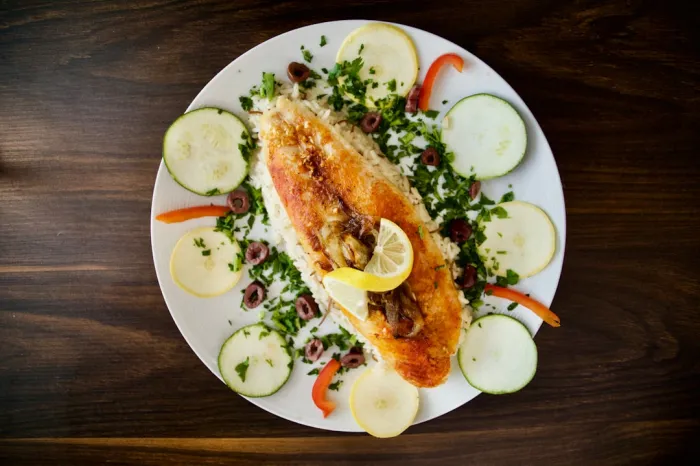
Simple methods also mean that quality matters. A short pan sear on fresh fish, a drizzle of good olive oil, or a finishing squeeze of lemon can transform humble ingredients into memorable bites.
Signature dishes to know
Across the Mediterranean you will find classics such as ratatouille, aioli, grilled fish, and hearty seafood stews. On the Riviera, dishes often reflect Provençal roots: tapas-like small plates, salads with anchovies, and bouillabaisse variations where fish and shellfish are celebrated.
Don’t miss local specialities like pissaladière, socca in nearby Nice, or a simple plate of fresh sardines. These dishes show how scarcity and abundance both shaped regional cooking.
Olive oil, wine and the art of pairing
Olive oil is the culinary backbone; it is used for cooking, dressing and finishing. Understand its profile from grassy and peppery to mild and buttery, and use it accordingly. A robust oil suits grilled vegetables, while a delicate oil complements raw tomatoes or fish crudo.
Wine pairing on the Riviera tends to favor light, fresh wines. Rosés and crisp whites often accompany seafood and salads, while local reds pair well with braised dishes and richer fare. Pairing is flexible, and local habit favors balance over strict rules.
Dining as ritual and conviviality
Mediterranean meals are social by design. Long lunches, shared plates, and an unhurried pace define the dining experience. On the Riviera this tradition is alive; expect to linger, to share dishes, and to prioritize conversation.
When you sit at a local table, accept offers to try several small plates and taste the variety. Sharing is both pleasure and a way to learn the region through its food.
Health, sustainability and modern trends
The Mediterranean diet is often praised for health benefits, in part because it emphasizes plants, healthy fats and moderate portions. Today sustainability adds a new layer: local sourcing, seasonal menus, and reducing waste are increasingly common practices among chefs on the Riviera.
Modern chefs reinterpret tradition with vegetable-forward plates, zero-waste techniques and collaborations with local fishers and farmers. These trends keep the cuisine alive and responsive to contemporary values.
Thanks for reading, and don't forget, Enjoy Life Moments!