In praise of slowness: relearning to caress every millimeter of skin
🚀 Key Takeaways
- Core concept: Slow touch is mindful, deliberate contact that enhances connection.
- Practical tip: Try a five-minute skin map: one hand, one zone, no agenda.
- Did you know: The skin is the body's largest organ and a powerful social organ for bonding.
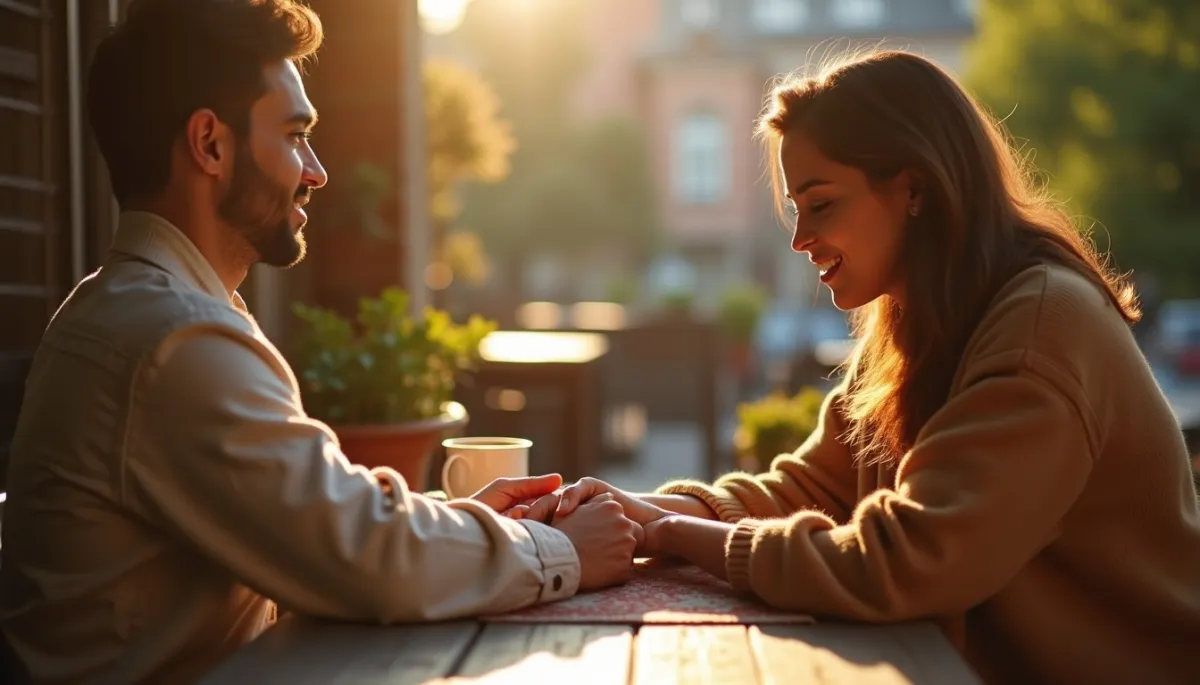
Slow down. Imagine a late afternoon in Lisbon, sunlight on a terrace, two people tracing the same arm with the attention of cartographers.
The practice of slowing touch asks us to treat the skin as geography, to explore respect, curiosity and consent. This article explains why the trend of 'slow sex' and mindful touch has grown, what it changes in our bodies and relationships, and how to start with concrete exercises anyone can try at home.
Skin as landscape
Touch is not just pleasure, it is communication. Neuroscience shows that gentle, sustained touch releases oxytocin, lowers cortisol, and strengthens emotional bonding. Therapists like Esther Perel and sex educators have popularized the idea that erotic life benefits from presence rather than speed.
Historically, cultures such as tantric traditions encouraged long exploratory rituals, where touch was a path to intimacy and altered states. In contemporary cities, a countercurrent has emerged: slow sex, sensate focus and mindful massage workshops aim to recover that attention.
Consequences are tangible. Couples report improved sexual satisfaction, better arousal regulation and deeper trust when they adopt slower practices. Clinics that teach sensate focus, a technique developed in the 20th century to treat sexual dysfunction, often note that removing performance pressure is transformative.
Time regained
The causes behind the resurgence are social and biological. Our modern tempo, dominated by notifications and brief encounters, fragments attention. The pandemic highlighted how touch deprivation affects mood, prompting renewed interest in deliberate physical contact.
At the same time, research into interoception, the brain's sensing of the body's internal state, has grown. Learning to tune into subtle sensations requires time. Slowness is not an aesthetic choice only, it is a method to recalibrate nervous systems that have learned to rush toward climax or away from intimacy.
Workshops in cities like New York, Barcelona and Berlin now teach 'skin mapping', breath-synchronized massage, and the simple art of tracing a palm. These practices borrow from massage therapy, somatic psychologies and sexology, making them accessible without ritual jargon.
Gentle resistance
Still, embracing slowness raises contradictions. Some fear that slowing down will remove spontaneity, or that methodizing touch makes it clinical. The answer is balance: tools are invitations, not prescriptions. You can be playful while deliberate.
Another tension is consent and boundaries. Slowing touch increases time in vulnerable states, so explicit check-ins are essential. A simple frame works: name the intention, ask permission, set a safe word or gesture, and agree on duration.
Practical starters: map each other's skin for five minutes, use non-sexual zones first, breathe together (count four in, six out), and notice the sensations without expectation. Notice areas dense with nerve endings: fingertips, lips, the inner wrist, the upper back. Use light oil or a warm cloth to enhance comfort.
In the end, learning to caress each millimeter of skin is a political act of attention. It says we value presence, that we choose depth over speed. It is less about technique and more about re-learning to be with another human, moment by moment.
Thanks for reading, and don't forget, Enjoy Life Moments!