The postman Cheval: 33 years alone to build his dream Palais Idéal
🚀 Key Takeaways
- Core concept : One person's obsessive creativity can reshape a landscape.
- Practical tip : Visit early morning to avoid crowds and walk the surrounding gardens.
- Did you know : The Palais Idéal was classified as a French Monument historique in 1969.
He looks at a pebble and sees a palace. Imagine the postman on his morning route, pockets full of letters, pausing on a dirt road to pick up an unusually shaped stone.
Dream in stone
Joseph Ferdinand Cheval (1836-1924) was a rural postman from Hauterives, in the Drôme. He is the author of the Palais Idéal, an extraordinary work of naive architecture built between 1879 and 1912.
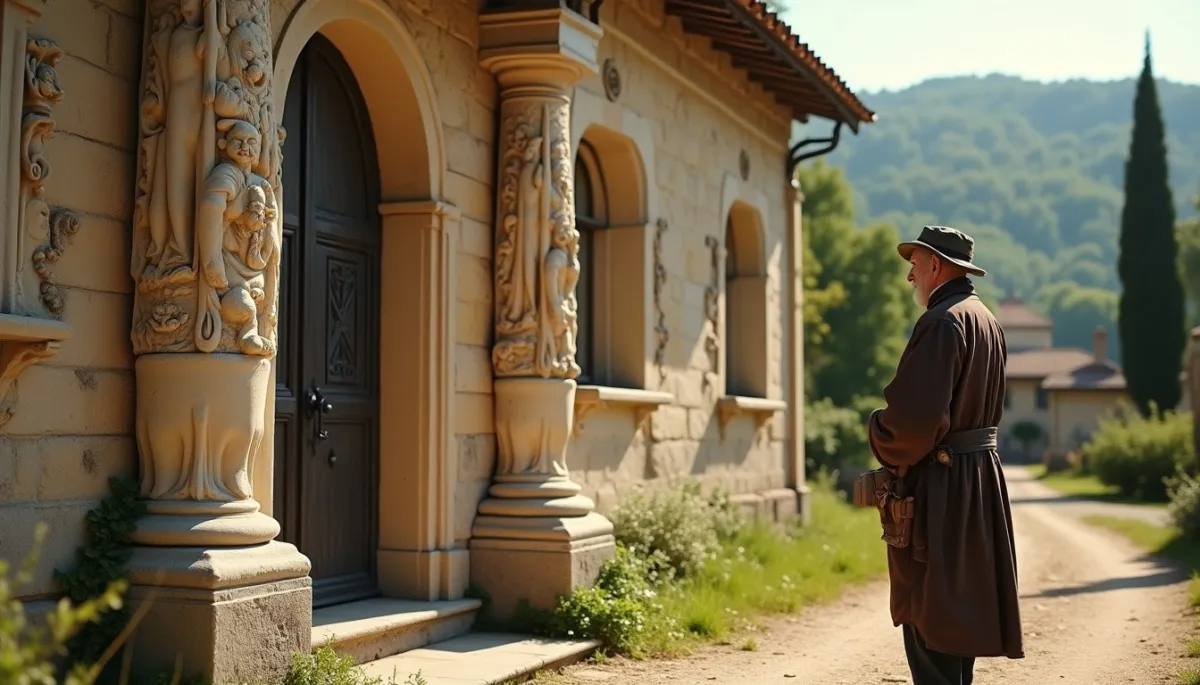
The palace is an eclectic assembly of motifs: grottoes, minarets, dragons, ornate friezes, shells and embedded ceramics. Cheval collected most materials himself, carrying stones from his 30-kilometre daily rounds and assembling them with lime mortar.
The result is unlike any official style. Admirers across the 20th century, from surrealists to contemporary artists, saw in Cheval a precursor who worked outside academies and preserved an authentic, personal vision.
The impulse that shaped him
The famous anecdote says it started in April 1879, when Cheval stumbled over a stone with a strange shape. He kept it, and over time the collection of odd pebbles and rocks became a plan for a palace he imagined in his dreams.
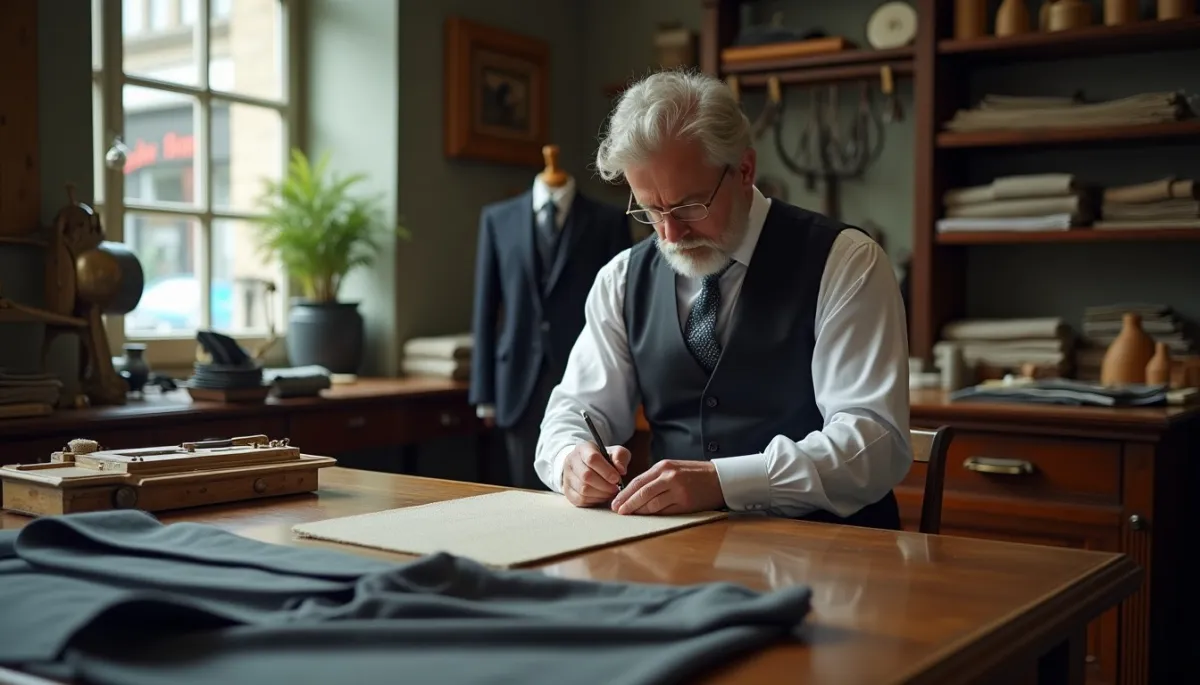
Without formal training, Cheval taught himself techniques by trial and error. He used cement, lime, mortar and found objects. He sketched on wrapping paper and built at night after his postal rounds, sometimes working in secrecy to avoid ridicule.
Building a monument while maintaining a day job required obsession and discipline. For 33 years he laboured, sometimes alone for months, sometimes receiving curious passersby. He finished the main composition in 1912, though small additions and repairs continued later.
Solitude and recognition
The Palais Idéal oscillates between solitude and public attention. For decades it was a private wonder, a testimony to personal perseverance rather than to institutional art.
Recognition came slowly. In 1969 the French state classified the Palais Idéal as a Monument historique, a turning point that helped protect and publicise the site. Since then, thousands visit each year to see Cheval's singular imagination in stone.
Yet the monument also raises questions about authorship, preservation, and the thin line between eccentricity and genius. Today, guides explain Cheval's techniques, and the site offers visitors context: biographical panels, reproductions of his sketches, and the small museum that surrounds the palace.
Practical footsteps
If you go to Hauterives, plan to walk. Allow at least one hour to explore the palace and its gardens; a guided tour adds historical details that bring Cheval's routine to life. Wear supportive shoes, because many paths are uneven.
Photographers will appreciate the changing daylight on the facades. Early morning brings softer light and fewer visitors. Look for small details: shells, shards of pottery and written dedications embedded in the walls.
Finally, let the place change your view about creativity. Cheval's work is a reminder that art can emerge from the repetition of simple gestures, and that solitude can be the workshop of extraordinary dreams.
Thanks for reading, and don't forget, Enjoy Life Moments!