Baking therapy: why kneading dough calms the mind instantly
🚀 Key Takeaways
- Core concept : Repetitive, tactile baking gestures soothe the nervous system.
- Practical tip : Try five minutes of mindful kneading: focus on texture and breath.
- Did you know : Searches for "sourdough" exploded in 2020, turning baking into a global coping mechanism.
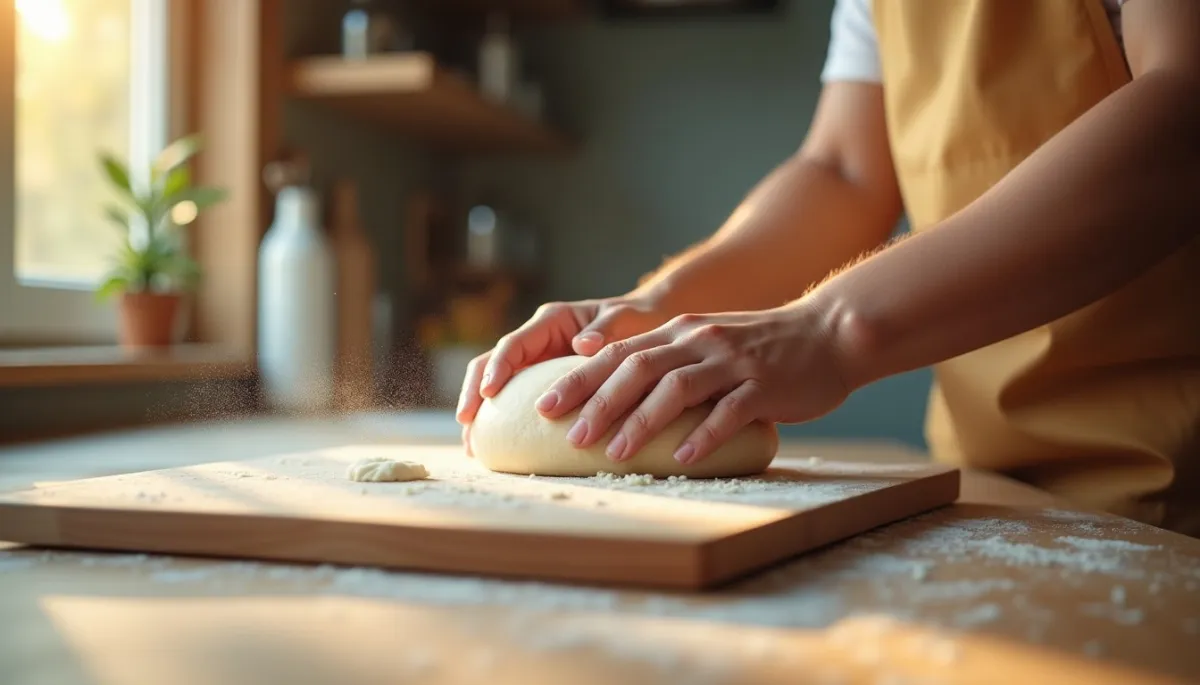
Warm, flour-dusted palms. The first press of the dough is a small ceremony. Imagine a sunlit kitchen, a wooden board, a steady rhythm of hands folding and pushing, while the rest of the world feels loud and uncertain.
Pétrir pour respirer
Baking therapy is simple to describe and immediate to feel. When you knead, the body settles: shoulders loosen, breathing deepens, and attention narrows to the task at hand. During the 2020 lockdowns, millions discovered that the slow, repetitive work of making bread could quiet anxiety. Google Trends and numerous media outlets documented a global surge in searches for "sourdough" and home baking.
On a sensory level, dough provides clear feedback. Its elasticity, temperature, and resistance respond to pressure. That two-way conversation anchors the mind. Psychologists call this sensory regulation: the process by which tactile input helps to modulate emotions. Crafts with hands, like knitting, pottery or gardening, have long been associated with decreased cortisol; baking offers the same effect with the added reward of nourishing others.
There is also social relief in baking. Sharing bread or cakes reconnects people. In cities, community bake exchanges and online groups multiplied during crisis periods. These small rituals revive ancient practices: across cultures, bread-making has been a communal act for millennia, from communal ovens in medieval Europe to large family kitchens in the Mediterranean.
La science du geste
Why does kneading calm us so quickly? Neuroscience points to the parasympathetic nervous system, sometimes called the "rest-and-digest" system. Repetitive, rhythmic actions stimulate this branch of the autonomic nervous system, lowering heart rate and promoting relaxation. Touch and smell both play roles; the aroma of warm bread can trigger positive memories and release neurotransmitters associated with pleasure.
Recent research in occupational therapy emphasizes the mental health benefits of manual tasks. Although robust, large-scale randomized trials specifically on baking are limited, smaller studies and clinical observations suggest consistent results: engaging the hands reduces rumination and anchors attention. During the pandemic, therapists recommended housework and cooking as accessible coping strategies for wide populations.
Practical chemistry also helps explain the effect. Working gluten develops structure in dough, a visible transformation that rewards effort. Watching a lump of sticky flour become a smooth ball provides measurable progress, which combats helplessness and increases self-efficacy, a key element in resilience according to psychology literature.
Entre rituel et mode
Yet baking as therapy is not without contradictions. The trend nature of sourdough in 2020 showed both the power and the precariousness of such rituals. For some, the pressure to produce perfect loaves turned a calming activity into another source of stress. Social media amplified ideals of artisanal perfection, sometimes obscuring the humble, restorative core of the practice.
Accessibility is another issue. Time, space, ingredients, and physical ability affect who can use baking as a therapeutic tool. For people with mobility limitations or sensory sensitivities, full participation may be difficult. Inclusive approaches adapt recipes, use no-knead techniques, or focus on simpler tactile tasks like mixing by hand to preserve the calming element.
To integrate baking therapy into daily life, keep rituals small and compassionate. Set a five- to ten-minute intention before kneading. Notice textures, count breaths, and release the need for perfection. Try sharing a loaf with a neighbor, or keeping a tiny notebook of sensory observations. The goal is not award-winning pastries, but moments of steadiness and connection.
Thanks for reading, and don't forget, Enjoy Life Moments!