Emotional resilience: how to stop being overwhelmed by eco-anxiety
🚀 Key Takeaways
- Core concept : Eco-anxiety is a real emotional response to environmental threats, not a disorder by default.
- Practical tip : Combine grounding exercises with local, values-based action to regain agency.
- Did you know : The term solastalgia (loss of solace at home) was coined in 2003 by Glenn Albrecht to describe climate-related distress.
It feels heavy, like a storm at the edge of your window. Imagine a city park in August: heat haze, fewer birdsong, teenagers talking about school and the future with a tightening in their voices.
The present weight
Eco-anxiety describes persistent worry about the changing climate and the future of life on Earth (it is not simply being informed). Over the last decade, surveys in Europe, North America and Australia have shown rising concern among young adults, and clinicians report more climate-related distress in consultations.
For many, the emotion combines grief, anger, shame and helplessness. In Australia and the western United States, reports after the 2019-2020 bushfires and the 2020 wildfire seasons documented both acute trauma and ongoing anticipatory anxiety.
The feeling can be adaptive. It signals care for the planet and motivates preparation. The problem arises when it becomes paralysing, disrupting sleep, work and relationships.
Deep roots
Why now? The causes are multiple. Scientific reports such as the annual Lancet Countdown and IPCC assessments increasingly link extreme events to climate change, making threats visible and immediate. Media cycles and social networks amplify images and data, often without context.
Psychology also explains vulnerability. Uncertainty about time horizons, perceived lack of control, and the abstract scale of the problem make it hard for the brain to process. Young people inherit both the facts and the responsibility, and that burdens emotional development.
History offers context. The word solastalgia, coined in 2003, captured the idea of environmental distress tied to place. Since then, politics, economics and media have accelerated awareness, sometimes leaving individuals to manage emotions alone.
Paths forward
Resilience is not stoicism. It is a set of skills and practices to respond to stress while preserving values and agency. Start with grounding: breathing techniques, short walks in green spaces, and naming the feeling aloud reduce intensity in the moment.
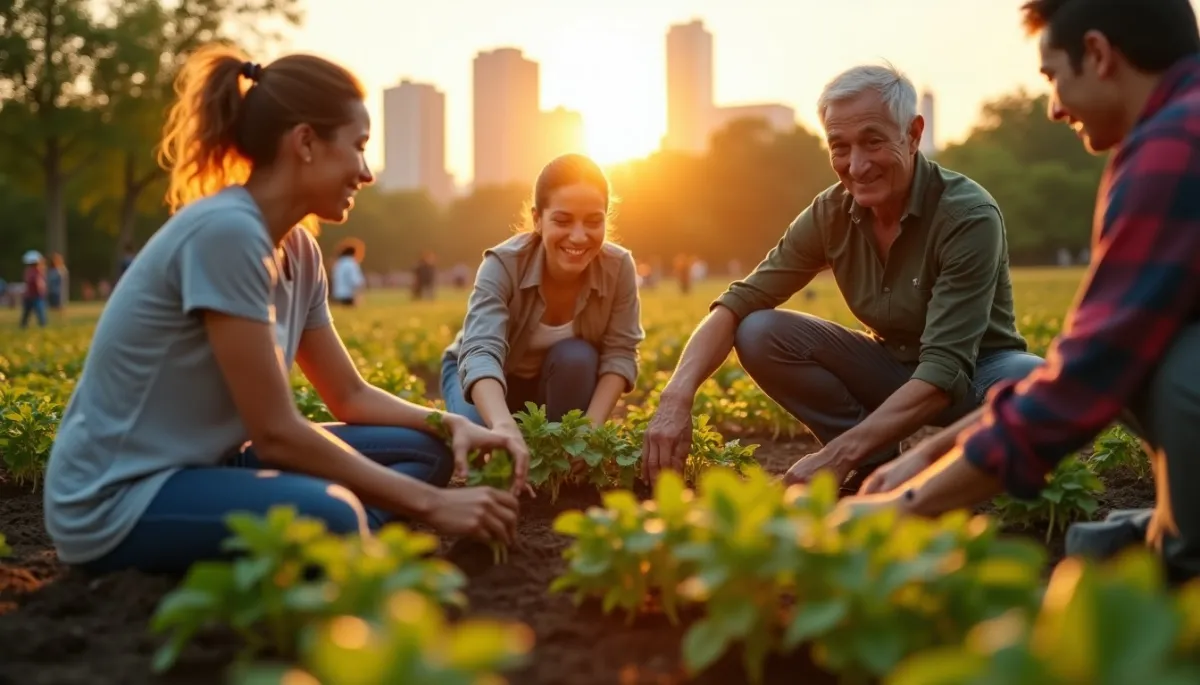
Build rhythms that matter. Small, regular actions (community gardening, local restoration projects, voting with information) create measurable impact and counter helplessness. Research suggests that combining action with social connection improves mental health outcomes.
Set boundaries with information. Limit doomscrolling, choose reliable sources, and schedule news-checks. When feelings persist, seek professional help (therapists familiar with climate-related distress are increasingly available). Remember that collective change requires collective care: join groups, share responsibilities, and celebrate small wins.
Practical ritual: once a week, write three things you did that align with your values, however small. Over months, this builds a record of effect and meaning.
Eco-anxiety is a sign of attachment to the world. With attention, community and concrete practices, that attachment can become a source of resilience rather than a reason for despair.
Thanks for reading, and don't forget, Enjoy Life Moments!