Embracing the world at 80: seniors who backpack the globe
🚀 Key Takeaways
- Core idea : Travel remains possible and transformational in later life.
- Practical tip : Prioritize lightweight gear, travel insurance that covers pre-existing conditions, and slower itineraries.
- Did you know : The UN Decade of Healthy Ageing runs 2021-2030, promoting autonomy and participation for older adults.
They smile at the hostel reception. A silver ponytail peeks from a sunhat.
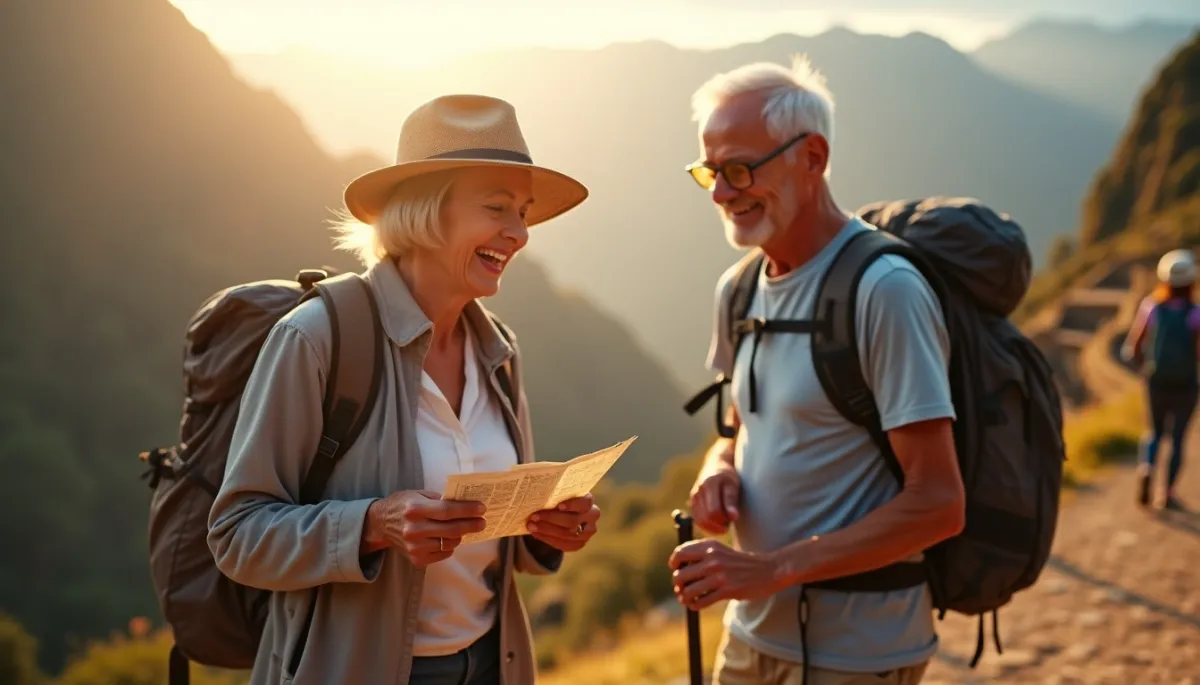
Imagine a cobblestone street in Porto at dawn. A woman in her eighties adjusts a modest backpack, consults a map on her phone, and chats with a young traveler about the best pastel de nata. Nearby, an octogenarian man laces his boots, ready to hike a short trail to a viewpoint. Around them, hostels and cafes hum, intergenerational, ordinary and radiant.
Faces on the trail
Meet the travelers: some are retired teachers, former nurses, veterans of corporate life, or artists who never stopped sketching. Many names are not in headlines, yet their journeys have been chronicled by blogs, local press, and social networks. One well-known figure is Tao Porchon-Lynch (1918-2020), who, while primarily celebrated for yoga, traveled widely well into her nineties and embodied mobility and curiosity in late life.
Another reference comes from marathoners like Fauja Singh, whose feats in later decades inspired many to rethink age and movement. These public examples sit alongside countless anonymous seniors who choose hostels, trains and shared meals over packaged tours.
Their recognition is not a matter of fame but of example: through podcasts, community talks, and Instagram accounts, they show that backpacks can be adapted to medical needs, that slower travel is a lifestyle, and that curiosity does not expire with retirement.
The first step
Why now? Several factors converge. Better health care and preventive medicine mean more people reach their seventies and eighties with vitality. The World Health Organization launched the Decade of Healthy Ageing (2021-2030), promoting environments that enable older adults to remain active and engaged.
Technologies also play a role. Smartphones, translation apps, and booking platforms reduce friction. A 2019 survey by travel platforms showed a rising share of bookings by travelers over 60, often for independent trips rather than cruises.
Anecdotes explain the leap. A widow who sold her house in 2017 to fund a five-year round-the-world plan, a retired mechanic who learned English on the road in 2015, or a group of friends who started a yearly pilgrimage at 73—all echo a search for meaning, friendship, and fresh terrain.
Packing wisdom
Not everything is rosy. Health, mobility, and safety remain concerns. Many seniors face unpredictability: flare-ups of chronic illness, insurance exclusions, or accessibility barriers at heritage sites. Travel planners and hosts are adapting, but gaps exist.
Practical solutions have emerged. Travel insurance that covers pre-existing conditions now exists with specialist brokers, and many hostels offer private rooms with ground-floor access. Slow travel, with fewer overnight changes and more local stays, reduces fatigue and increases cultural immersion.
Concrete tips: choose a lightweight backpack (20-30 litres for short trips), carry a collapsible walking pole, keep paper and digital copies of prescriptions, consult a travel clinic six to eight weeks before departure, and favor refundable bookings. Pace yourself, aim for quality over quantity, and embrace local rhythms.
Thanks for reading, and don't forget, Enjoy Life Moments!