Elegance on the bench: when Italian and French haute couture outfits national teams
🚀 Key Takeaways
- Key concept : Haute couture shapes national image beyond sport.
- Practical tip : Choose timeless materials and tricolor details to signal identity.
- Did you know : Luxury partnerships amplify soft power during global events.
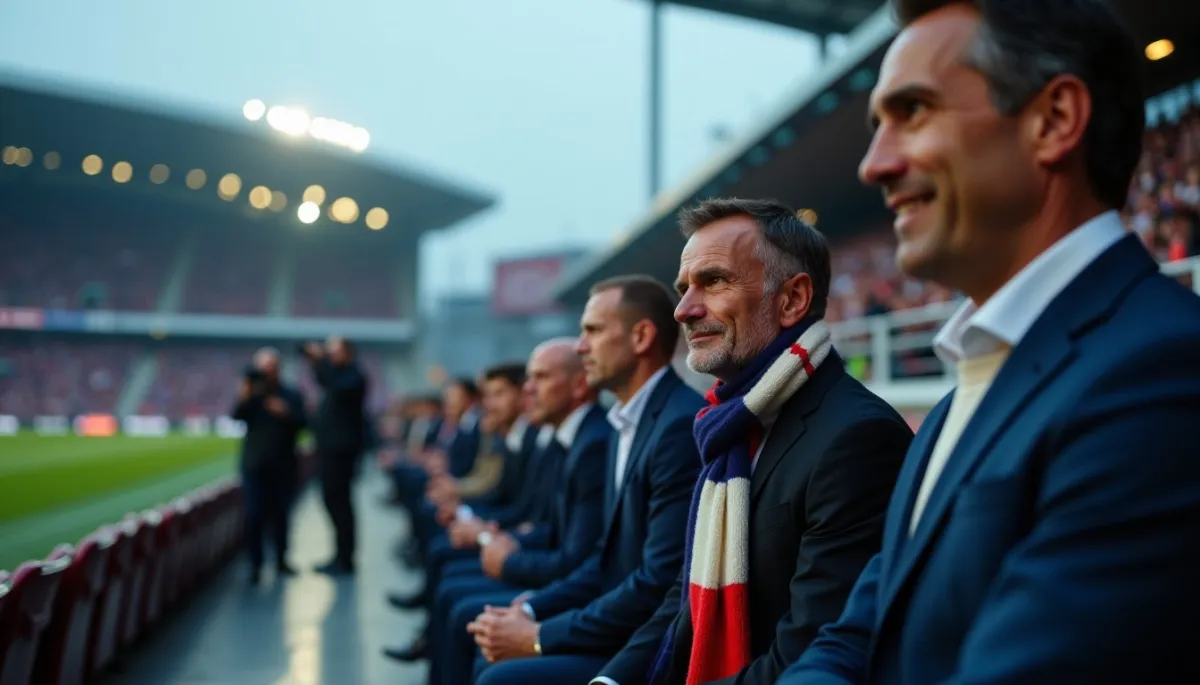
There is poetry in a well-cut blazer. Imagine a humid evening at the Stade de France, coaches on the bench framed by stadium lights, their silhouettes sharp in navy or ivory.
L'allure du banc
The bench is no longer a marginal set piece. At the World Cup, the Euros and the Olympics, the sidelines are televised, photographed and dissected on social networks. A coach's jacket, a delegation's coat or an athlete's arrival dress become visual headlines as fast as a goal.
Luxury houses from Milan and Paris have understood this stage potential. Their ateliers craft ceremony wear, red carpet looks and tailored suits for federations, mixing national colors with couture finesse. The effect is immediate: images of elegance travel worldwide and reframe a team's narrative.
Beyond aesthetics, these outfits carry meaning. They anchor a nation in a visual language of excellence, heritage and modernity. When a delegation walks into an opening ceremony draped in carefully chosen materials, television viewers receive a message that goes beyond sport.
Racines et stratégie
Why are couture maisons drawn to national teams? The reasons are both cultural and strategic. Houses rooted in Italy and France have long histories of dressing statesmen, cinema and high society, so extending that savoir-faire to national teams is a logical expansion of influence.
For luxury brands, such partnerships are powerful marketing. Global sporting events gather billions of viewers, offering context-rich exposure that traditional campaigns struggle to match. The association with national pride also softens the image of luxury, linking it to shared moments rather than exclusivity alone.
There is also an economic logic. The global luxury market is worth several hundred billion euros, and visibility at major events supports product desirability. Collaborations open doors to capsule collections, merchandising and exclusive hospitality, creating multiple revenue streams around a sporting calendar.
Couleurs et détails
Designers translate flags into fabrics. Tricolors can appear as lapel piping, silk lining, or embroidered crests. Choices are deliberate: wool or cashmere for gravity, technical blends for mobility, and handcrafted buttons as a nod to tradition. The result is ceremonial clothing that still respects athletes' practical needs.
Locations matter. Milan's ateliers bring cutting techniques and tailoring heritage, while Paris contributes couture techniques and an eye for theatricality. Together, they craft looks that balance discipline and glamour, whether for a coach on a rainy bench or for athletes during an opening march.
Real anecdotes abound. Photographers often linger not only on the players but on the delegation's arrival, where a perfectly draped coat or a bold scarf becomes a talking point. Such details feed fashion pages, sports shows and cultural commentary alike.
Équilibre fragile
But this marriage between couture and sport is not without tensions. Purists question the relevance of luxury aesthetics to athletic competition, worrying that attention shifts from performance to image. Federations must therefore calibrate carefully, honoring athletes' comfort and function while embracing style.
Political sensitivities arise too. National symbols are powerful, and misuse can trigger backlash. Designers and federations must navigate patriotism, inclusivity and international perception, ensuring that garments speak positively to both domestic audiences and the world.
Looking ahead, sustainability will shape the next chapter. Luxury houses increasingly highlight responsible sourcing and made-to-last philosophies, which align well with federations seeking legacy and reduced waste. Expect to see more recycled fabrics, transparent supply chains and pieces designed for reuse beyond the event.
For federations and brands interested in entering this field, three simple rules help: prioritize fit and comfort, speak with national stakeholders early, and design for longevity, not only for publicity. When done rightly, couture on the bench becomes a cultural conversation rather than an empty spectacle.
Thanks for reading, and don't forget, Enjoy Life Moments!