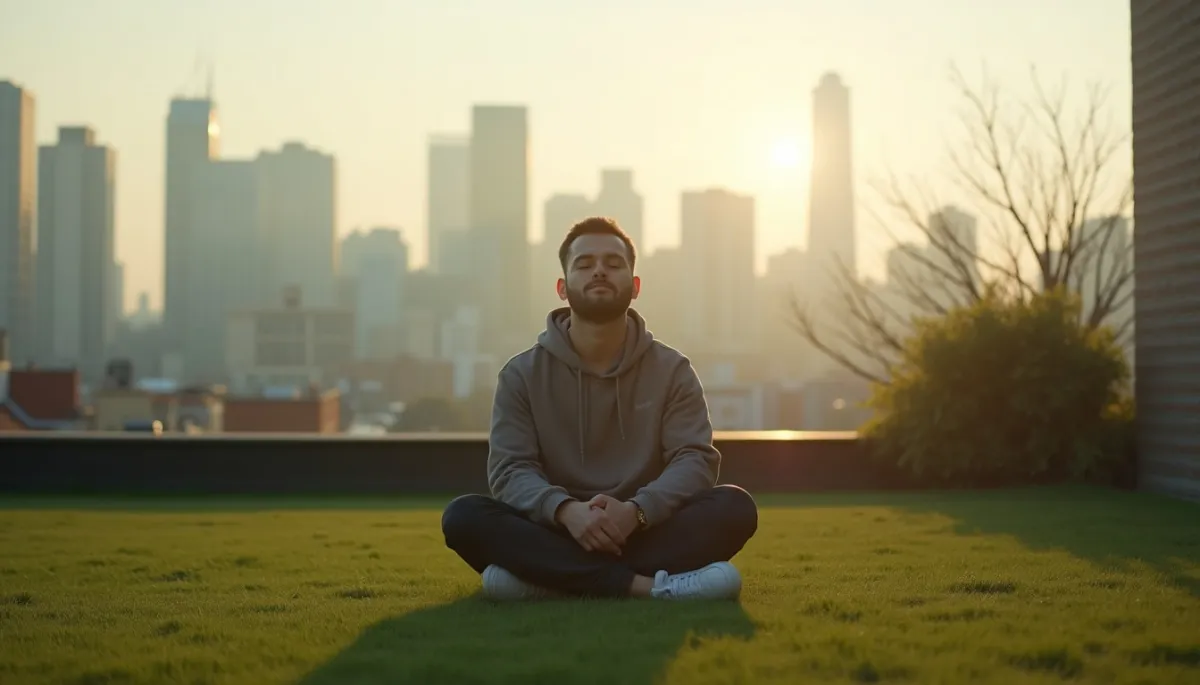
Digital sunset: why shutting off screens two hours before sleep changes life

🚀 Key Takeaways
- Core concept : A "digital sunset" means stopping screen use about two hours before sleep.
- Practical tip : Replace scrolling with a short book, warm drink, or breathing exercise.
- Did you know : Studies since 2014 show evening screen light delays melatonin and shifts the circadian clock.
It feels like magic. You power down, and the house breathes with you.
Imagine a small apartment in Lisbon, lights softened, phone face down on the kitchen table, a paperback on the sofa, the hum of the street turning distant. Outside, trams click by. Inside, someone closes the day without a blue glow. Their sleep deepens. They wake clearer. That simple ritual, practiced across bedrooms from Tokyo to Toronto, is what advocates call a digital sunset.
digital dusk
Evening screen avoidance is no longer a quirky trend. Over the past decade millions have experimented with a routine: stop using phones, tablets and laptops about two hours before bed. The aim is to improve sleep quality and daytime function.
Evidence supports the idea. A landmark 2014 study from Harvard and subsequent work by Anne-Marie Chang (2015) showed exposure to light-emitting devices in the evening suppresses melatonin, the hormone that signals the body it's time to sleep. More recent meta-analyses up to 2022 link late-night screen time to shorter sleep duration and poorer sleep efficiency, especially in adolescents.
Beyond hormones, there's behavioral impact. The term "bedtime procrastination" (studied since the mid-2010s) describes choosing short-term leisure over sleep. Scrolling social feeds is engineered to keep attention. The result is delayed sleep onset, fragmented rest, and next-day fatigue.
light roots
Why does light from screens matter? Human circadian rhythms are synchronized by light. Blue wavelengths—the kind emitted most strongly by LEDs in phones and laptops—are particularly effective at telling our brain it's daytime.
Practically, this means evening screen light can shift the circadian clock, pushing sleep later. The Chang trial found reading on light-emitting e-readers delayed melatonin onset and reduced morning alertness compared with reading printed books. These effects accumulate. Shifted sleep times can become chronic, impairing mood, cognition and immune function.
Technology companies have offered partial solutions. Apple introduced Night Shift in 2016, and many apps offer dark modes or blue-light filters. They help, but studies show filters only partially mitigate the effects. The behavioral part remains: notifications, algorithmic feeds, and habit loops keep people engaged even when light is dimmed.
gentle rituals
That explains why a full digital sunset, not only filters, can be powerful. People report concrete benefits: falling asleep faster, waking before alarms, fewer night-time awakenings. Arianna Huffington, in her 2016 book "The Sleep Revolution", championed sleep-first practices, recommending technology-free bedrooms. Athletes and executives have shared public anecdotes of improved performance after stricter evening routines.
Implementing a digital sunset can be gradual. Start with one hour and extend to two. Create replacement activities that soothe: reading fiction, light stretching, a warm shower, or 10 minutes of mindfulness. For parents, consistent household rules around screens help children—pediatric guidance since 2016 emphasizes limited evening exposure for better sleep.
Practical tips matter. Put devices in another room overnight. Use scheduled do-not-disturb modes. If work emergencies require evening use, set a strict cutoff and compensate with naps or earlier bedtimes when possible. Track progress: a simple sleep diary for two weeks often reveals improvements quicker than expected.
There are nuances. Night-shift workers, caregivers, and those in different time zones cannot always avoid screens. Social life and work sometimes demand evening connectivity. The goal is not perfection, but awareness. Even partial adoption of a digital sunset can shift sleep timing and mood for the better.
Ultimately, this practice reconnects us with pre-digital cues—dimming light, slowing down, honoring a boundary between day and night. In a wired world, that boundary has value.
Thanks for reading, and don't forget, Enjoy Life Moments!