Digital nomads and the Riviera: work, sun and the unexpected

Bright. Breezy. Immediate. Imagine opening your laptop at a seaside café on the Promenade des Anglais, laptop stickers catching the light, a tram humming past, and the bay of Nice laid out like a watercolor beneath your screen. The scent of espresso mixes with salty air. Around you, freelancers, startup founders and creative directors pass notes, swap contacts and take calls with the sea as a backdrop.
That scene is no longer an exception. The French Riviera has quietly become one of Europe’s most magnetic regions for digital nomads. In 2026, improved connectivity, a seasonal calendar of trade fairs and a growing offer of long-stay accommodation mean the coast attracts professionals who want reliable infrastructure without sacrificing lifestyle.
🚀 Key Takeaways
- Concept clé : The Riviera mixes high-speed connections and an attractive climate to host remote workers year-round.
- Conseil pratique : Favor shoulder seasons (October–April) for lower rents and better coworking availability.
- Le saviez-vous : The Riviera’s tourist calendar (Cannes Lions, MIPIM, Monaco events) offers networking windows for nomads in many sectors.
May: consequences on the ground, from cafés to coliving
Walking through Old Town Nice, you now see more laptops than guidebooks. Cafés near Place Masséna and along the port have adapted, offering reliable plugs, laminated menus with clear Wi-Fi logins and midday quiet hours. In Cannes, La Bocca and Le Suquet host a mix of festival creatives and remote teams outside the short bursts of glamour on La Croisette.
Shared flats and coliving apartments have multiplied. Long-stay Airbnb listings advertise monthly discounts, while smaller operators offer packages including workspace, cleaning and social events. Antibes and Juan-les-Pins attract those who prefer calmer beaches and slightly lower rents than Nice or Monaco.
Local economies feel the difference. Restaurants and grocery shops that used to close in winter remain open longer. Seasonal workers shift to more stable, longer contracts. There are visible signs of a day-to-day transformation: weekday terraces are busier, and new niche businesses, like luggage storage for transient workers, have appeared.
June: why this boom? infrastructure, events and history
The Riviera’s appeal is practical as much as aesthetic. Nice Côte d'Azur airport is a major connector, TGV links Paris in just over five hours, and local TER trains knit towns together. By 2026, 5G and fiber coverage along the coast is widespread, making video calls and cloud workflows seamless.
Trade fairs and cultural events amplify the pull. Cannes’ market weeks, Monaco’s conferences and Nice’s lifestyle festivals bring industry professionals who extend stays before and after events. That creates serendipity: a freelance designer finds a client at a by-chance coworking rooftop, a startup hires talent after a beachside pitch.
There is a deeper, historical layer. The Riviera was already a refuge for creatives in the Belle Époque and later for artists like Picasso in Antibes and writers who found inspiration in Nice. Today’s nomads are heirs to that tradition: they seek climate and community, and they add new digital rhythms to an old coastal pattern.
July: however, tensions and what comes next
Popularity brings pressure. Rents spike during peak season, and some neighborhoods become crowded, making daily commutes slower and café seats scarce. Longstanding residents sometimes voice concerns about gentrification. Municipalities face the challenge of balancing tourism, local life and a growing class of temporary workers.
Solutions are emerging. Several towns expand coworking hubs and incentivize mixed-use spaces that welcome locals and nomads. Urban planners are rethinking seasonal services to be more year-round. Still, travelers should be realistic: a month in August on La Croisette will cost much more than a month in November along the same street.
From a legal perspective, non-EU nomads must plan visas carefully. France does not provide a universal "digital nomad visa" as of 2026. Short stays rely on Schengen rules, while longer arrangements may require long-stay visas or the “passport talent” routes for certain professionals. Always verify documentation before arriving.
Practical tips: choose shoulder seasons for the best balance of price and atmosphere, negotiate monthly rates for apartments, use TER trains to move along the coast, and test several coworking spots before committing. For quieter daily routines, consider Antibes or Villefranche-sur-Mer rather than the center of Nice or Cannes.
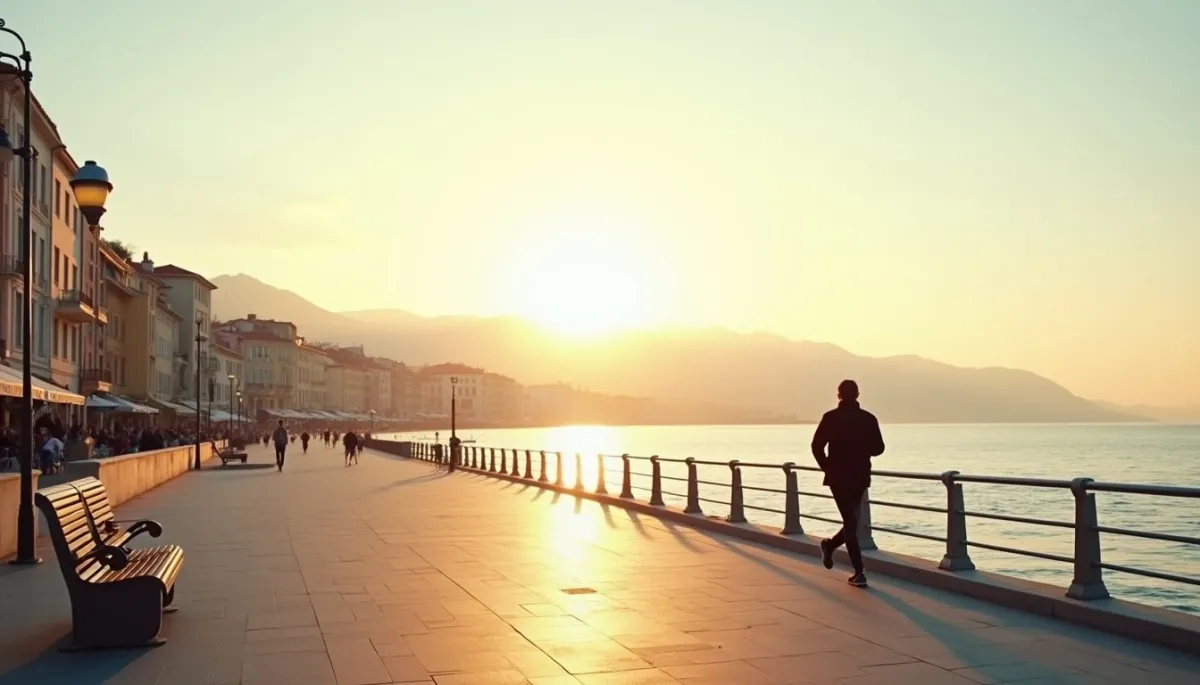
Examples to remember: attend a morning at a Nice coworking space, take an afternoon train to Cannes for a networking event, and spend weekends exploring Èze or the Italian border. Little rituals make the Riviera sustainable as a work base: a short run on the Promenade des Anglais before emails, a market visit in Menton for fresh produce, an autumn photography walk when the light is soft.
Thanks for reading, and don't forget, Enjoy Life Moments!