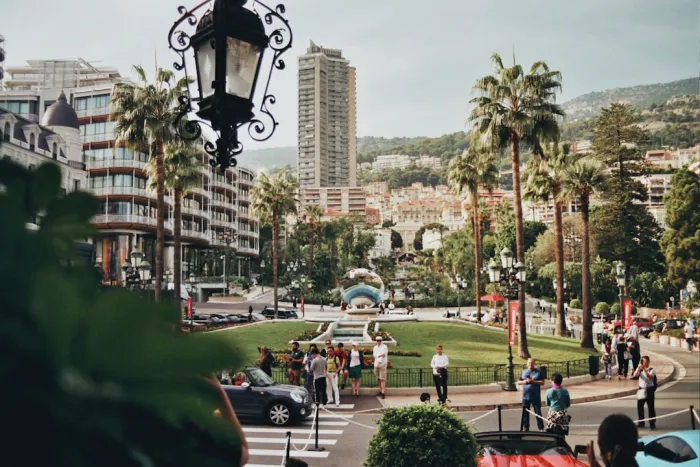
Monaco, a model of a sustainable city?
🚀 Key Takeaways
- Key concept : Monaco leverages compactness, public-private funding and fast decision-making to pilot green solutions.
- Practical tip : Visit in shoulder seasons to see pilot projects and quieter public spaces.
- Did you know : Local foundations and high-profile events drive much of the principality's environmental action.
Monaco is often seen through the lens of luxury yachting and high-profile events, yet its size gives it an uncommon capacity to test policies at city scale. In 2026 the principality is experimenting with mobility, energy and coastal resilience in ways larger places find harder to coordinate.
This article looks beyond glossy images to evaluate whether Monaco's governance model, technical projects and civic partnerships can be replicated by other cities. I explore practical initiatives, remaining challenges and lessons that matter for urban planners and curious travelers alike.
Why Monaco has a head start
Monaco's tiny footprint concentrates needs and resources, which simplifies monitoring and implementation. With high fiscal capacity and a network of private philanthropy, projects can move from pilot to deployment faster than in many municipalities.
The principality also benefits from strong institutional continuity and international visibility. That combination helps attract technical partners and funding, and it turns local initiatives into showcases that influence broader policy debates.
Concrete initiatives on the ground
In recent years Monaco has supported electrification of transport and the deployment of charging infrastructure, especially around ports and dense neighborhoods. Trials of low-emission public vehicles and incentives for electric cars reflect a pragmatic approach to reducing urban pollution.
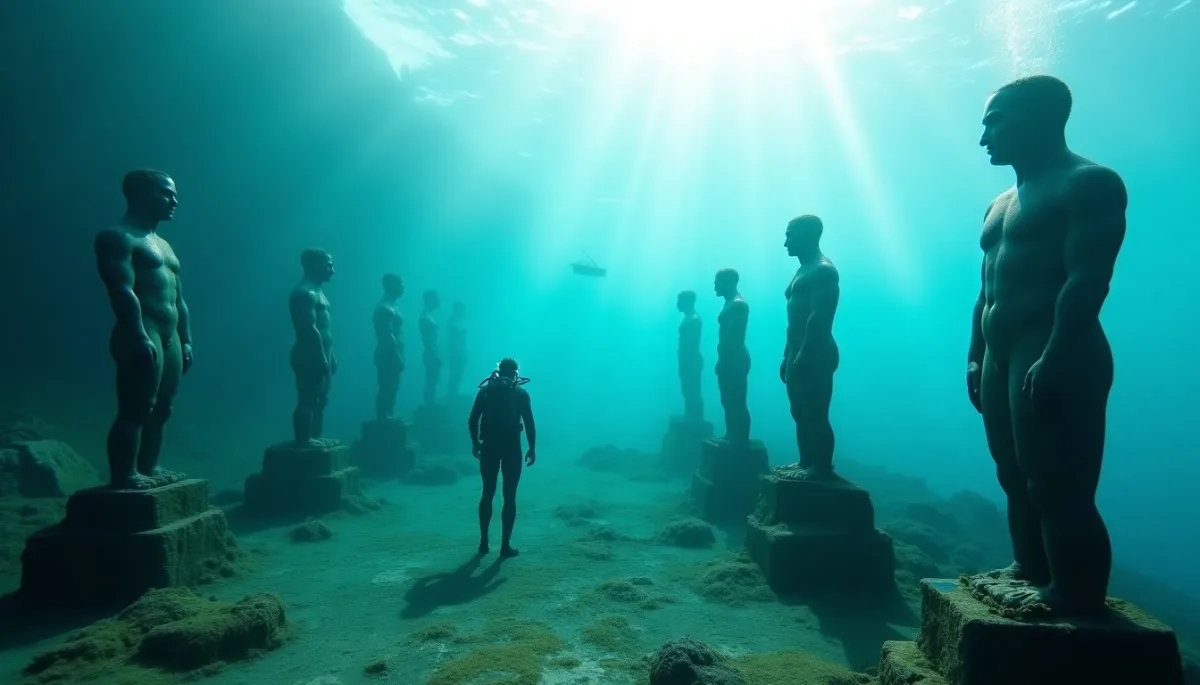
On coastal and marine issues, foundations and events tied to Monaco put ocean protection on the agenda, funding research and awareness campaigns. Urban projects also focus on efficient land use, green roofs and water management to adapt to climate risks.
What still needs work
Scale and equity are limits. Monaco's wealth enables rapid projects, yet the solutions developed here may be costly to export to resource-constrained cities. Affordability and social inclusion are not automatically solved by technology and capital.
Transparency and public participation can improve. For sustainability to be durable, residents and workers need clearer channels to shape projects and benefits. Long-term monitoring and open data help ensure pilots become lasting policy.
Lessons for other cities
First, use size and governance advantages to iterate quickly, then document results honestly. Small-scale successes are valuable only when methods and outcomes are shared, adapted and scaled with care.
Second, pair technical solutions with inclusive planning. Mobility and energy projects must consider everyday users and costs. Finally, cultivate cross-sector partnerships, because foundations, businesses and research organizations can accelerate innovation when they work together.
Thanks for reading, and don't forget, Enjoy Life Moments!