Customs paths: walking in the footsteps of Franco‑Swiss smuggling
🚀 Key Takeaways
- Core idea : The lakeside customs paths reveal layers of Franco‑Swiss history, from 19th century trade to wartime crossings.
- Practical tip : Wear sturdy shoes, check border signage, and favour guided walks offered by local tourist offices.
- Did you know : Saint‑Gingolph is one village split between two states, its streets still marking the frontier.
Silence, boots on gravel. Imagine a lantern light slicing the fog over Lake Geneva.
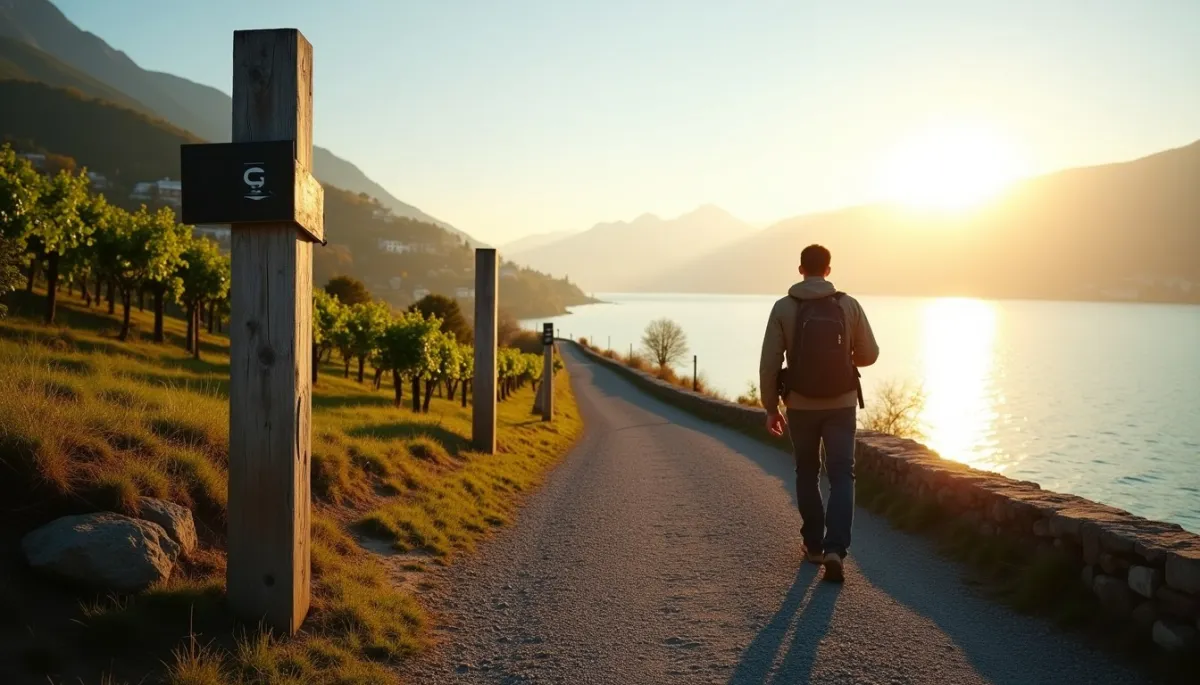
A lone silhouette moves along a narrow trail, skirting terraces and stone walls. In the dim, a small painted border post appears, then disappears behind vines. This is the atmosphere the sentiers des douaniers (customs paths) still conserve: traces of nightly crossings, of goods hidden under cloaks, of patrols calling to one another across fields.
Sur le fil du lac
The shore between Saint‑Gingolph and Geneva is a geography of borders. Small towns like Saint‑Gingolph (divided between France and Switzerland), Excenevex, and Hermance show how the frontier lives in streets, piers and village squares.
From the 19th century onward, lake traffic grew with tourism and trade. Yet customs controls also tightened (state efforts to tax goods), and paths along the shore became strategic. Tobacco, alcohol and coffee were common targets of smugglers, who preferred night routes where watchful eyes were few.
Today these same paths have been reclaimed as hiking trails. Walkers pass vineyard terraces (Lavaux is UNESCO listed since 2007), small harbours and signposts that tell slices of local history. The landscape is the same, but the story told is different: from clandestine commerce to cultural patrimony.
Des marchandises et des vies
Smuggling was not only about profit. In the early 20th century and especially during 1939–1945, many crossings were acts of survival. Refugees, résistants (resistance members) and persecuted people used these routes to reach neutral Switzerland. Local guides, sometimes called passeurs (people who escort others across borders), risked severe penalties.
Economic causes also shaped the phenomenon. Price and tax differences between France and Switzerland made certain goods more profitable to move across the border. In the post‑war decades, cigarette smuggling was particularly significant in the region, and customs administrations on both sides—la Douane française and the Swiss Federal Customs Administration—expanded patrols and infrastructure.
Oral histories keep these memories alive. In Montreux and the villages of the Chablais, elders recount hidden caches in boats and attics, or the sudden arrival of customs patrols. These anecdotes are now part of guided walks and local museum displays, which document how ordinary people adapted to the realities of a frontier economy.
Chemins à redécouvrir
Walking the customs paths is both a leisure activity and a form of heritage tourism. Local offices, for example Montreux–Vevey Tourisme or the offices in Evian‑les‑Bains, often propose themed routes and brochures. Panels along the way explain former smuggling hotspots and the mechanics of border control (how checkpoints and patrols worked).
Practical advice matters: keep to marked trails, respect private property, and remember that the international border remains real. Crossing it without respecting official checkpoints can expose you to fines. If you want the full story, choose a guided tour where a local guide will point to border markers, old customs huts and wartime refuges.
For photography, early morning or late afternoon light on the vineyards and the lake create dramatic frames. Pack water, a map, and clothing for sudden weather changes. Many sections are family‑friendly, others require good footwear and some experience with rocky, uneven trails.
Lignes de partage
There are contradictions in this memory of smuggling. Romanticizing the figure of the contrebandier can erase the harsher realities: violence, law enforcement, and economic hardship that drove people to illegal trades. Museums and guides tend to balance romantic tales with archival records and testimonies.
Furthermore, modern cross‑border life has dramatically changed. Today tens of thousands of French residents commute to Swiss cantons for work, especially to Geneva, creating durable legal ties that contrast with the clandestine mobility of earlier times. Customs now focus on organized crime and large contraband operations, not the small‑scale trades of past decades.
Finally, preserving these trails raises questions. Increasing tourism can erode paths and disturb wildlife, while too little information risks losing local memory. Sustainable management, clear signage and educational programmes are essential to keep history alive and the landscape intact.
If you go: favour low‑impact travel, support local guides, and ask at the tourist office for maps of « sentiers historiques ». A recommended starter leg is the stretch around Saint‑Gingolph to see the split village and learn how a border can live within a single community.
Merci d'avoir lu, et n'oubliez pas, Profitez des moments de la vie !