Nichupté lagoon crocodiles in Cancun: danger or attraction?
🚀 Key Takeaways
- Core concept : Wild crocodiles (mostly Morelet's crocodile) inhabit the Nichupté lagoon, and encounters are possible but usually avoidable.
- Practical tip : Respect signage, avoid swimming in the lagoon at night, and book guided boat tours for safe wildlife viewing.
- Did you know : The lagoon's mangroves are essential to local fisheries and help support the crocodile population.
Quiet and unsettling at the same time. Close your eyes and imagine a dark silhouette sliding from mangrove roots into still water, just off a hotel dock.
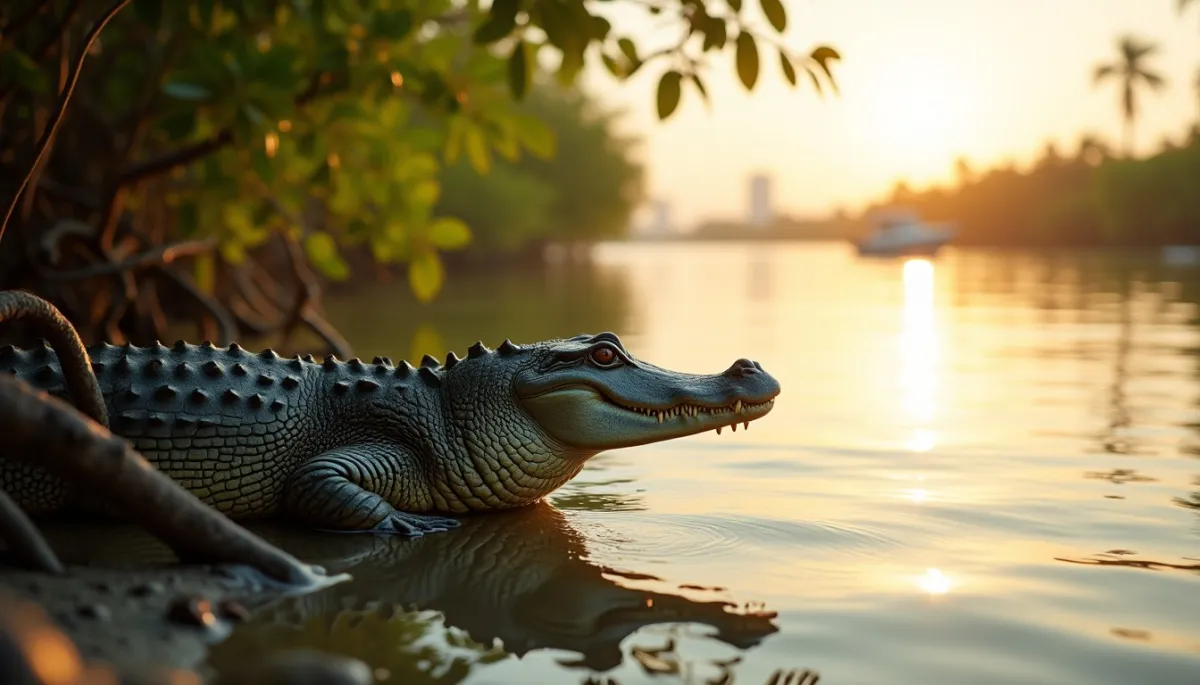
Early evening in Nichupté often smells of brackish water and sunscreen. Boats return to marinas, pelicans settle on pilings, and along narrow canals you might spot a crocodile basking or a pair of glowing eyes reflected in the water. These scenes are as much a part of Cancun's landscape as its beaches, yet they provoke mixed feelings among tourists and locals.
wild neighbors
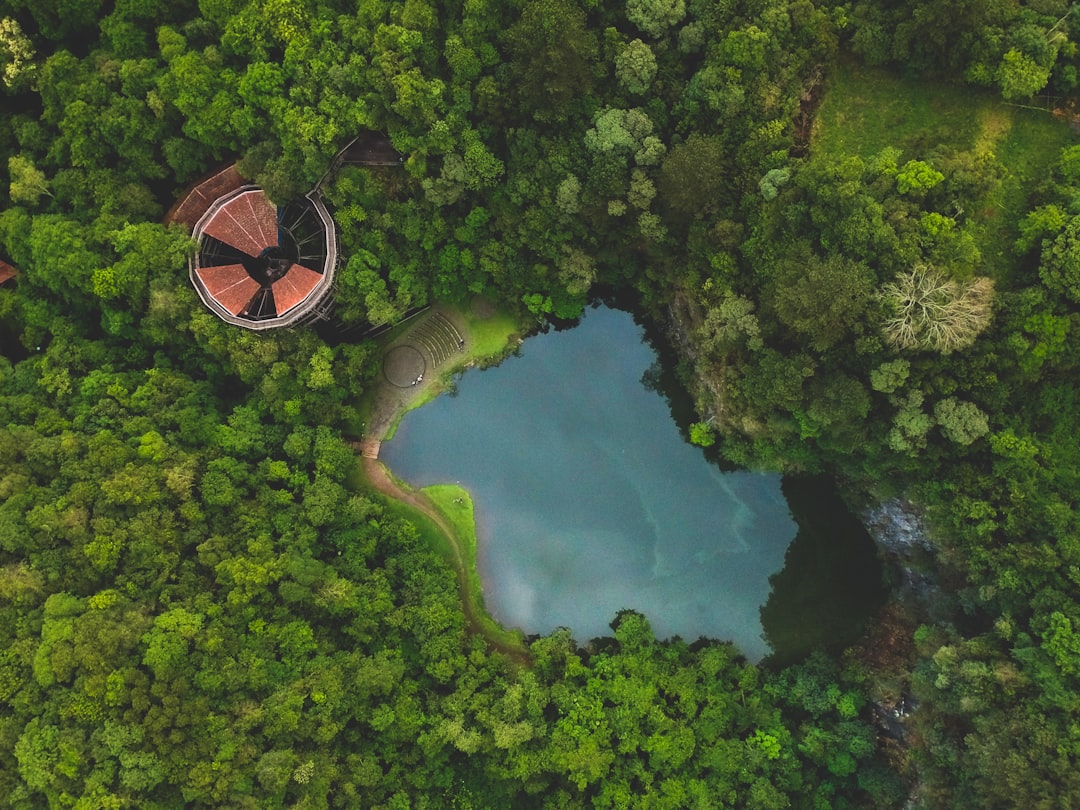
The Nichupté lagoon system stretches along the back of Cancun's Hotel Zone, a mosaic of mangroves, canals and lagoons that connect to the Caribbean. Crocodiles, primarily Morelet's crocodile (Crocodylus moreletii), find suitable habitat here because of the brackish water and abundant fish.
Encounters are not daily, but they are frequent enough to be documented by local wildlife officers and tour guides. Visitors often see crocodiles from boats or across fenced waterfronts, and social media posts of crocodiles near hotels surface every year, especially during the dry season when water levels drop and animals concentrate.
For residents, the presence of crocodiles is both a nuisance and a reminder of a living ecosystem. Municipal teams periodically capture and relocate individuals when they venture into populated areas or pose a safety risk. These interventions aim to balance public safety and conservation, and they underline that coexistence requires active management.
why they stay
Historical land use explains part of the story. Since the rapid development of the Hotel Zone in the 1970s and 1980s, the lagoon became increasingly interwoven with man-made channels, marinas and artificial shorelines. These changes created new microhabitats where fish and crustaceans thrive, attracting apex predators.
Food availability is another factor. Urban runoff, small fish concentrated in canals, and even discarded food can support crocodiles. Light pollution and warm, stable water temperatures (exacerbated by climate variability) also help sustain populations close to human activity.
Local conservation efforts and improved protections for mangroves have also had an impact. Where mangroves recover or are preserved, they provide nesting sites and cover, enabling crocodile populations to persist. Thus, a healthier lagoon ecology, paradoxically, can mean more opportunities to see these animals.
tension and balance
Cancun faces a dual challenge: protecting people while preserving wildlife. Authorities and NGOs strive to reduce conflict through education, signage, and targeted removals when necessary. For example, municipal capture teams act when crocodiles are spotted in places like public beaches or near children, though most sightings remain safely at a distance.
Tourism entrepreneurs have turned sightings into attractions, offering sunrise or sunset boat tours that include crocodile watching. Responsible operators emphasize observation from the water, never feeding animals, and explaining their ecological role. Feeding crocodiles is illegal and dangerous, as it habituates them to humans and increases the risk of aggressive encounters.
Looking forward, urban planning that respects mangrove corridors and enforces proper waste management will reduce risky interactions. Education campaigns for visitors and residents remain crucial: simple behaviors, like supervising pets and avoiding the lagoon after dark, make a big difference.
practical advice
If you want to see crocodiles safely, choose licensed boat tours led by local guides who know the lagoon. Keep a respectful distance, do not dangle feet over the side, and never attempt to feed or touch wildlife.
Avoid swimming in Nichupté lagoon, especially at night. Public beaches on the Caribbean side of the Hotel Zone are monitored and separated from the lagoon for a reason. Children should be supervised near any waterfront, and pets should not be left unattended.
Finally, learn a little about the species. Morelet's crocodile is part of the Yucatán's natural heritage, contributing to healthy fish populations and the overall balance of mangrove ecosystems. Seeing one from a safe boat can be a memorable, educational experience, provided respect and caution guide the encounter.
Thanks for reading, and don't forget, Enjoy Life Moments!