Sensory connection: why couples' retreats are blossoming in the jungle
🚀 Key Takeaways
- Core concept : Jungle retreats mix nature, rituals and designed slow time to restore couple intimacy.
- Practical tip : Prefer small eco-resorts in Tulum, Sian Ka'an outskirts or near Akumal, book temazcal and cenote sessions in advance.
- Did you know : Many modern ceremonies adapt Mayan practices like temazcal and cacao, blending tradition with contemporary therapy.
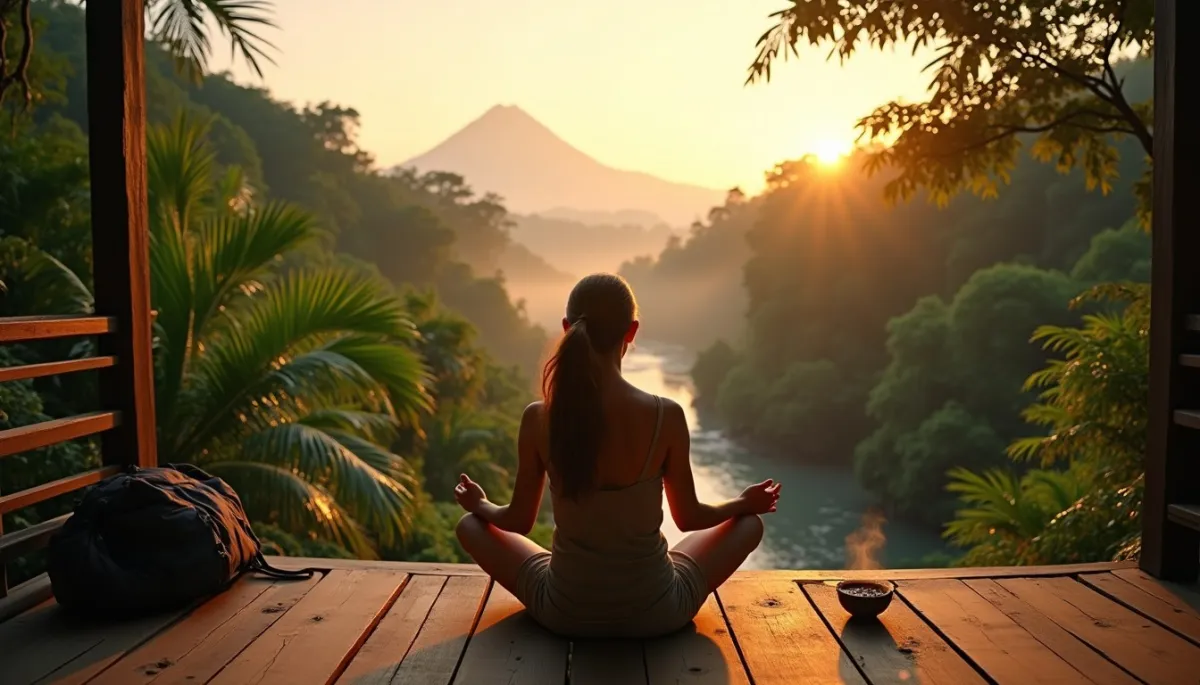
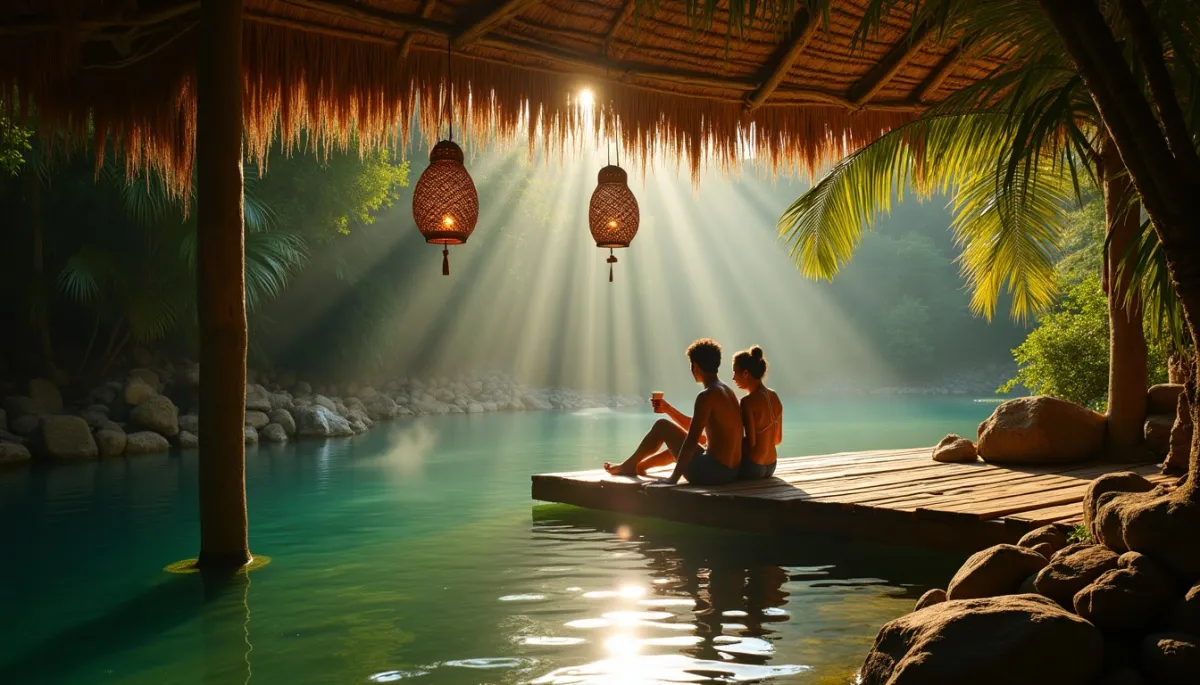
The morning light filters through ceiba and palms, and a couple sits barefoot by a wooden palapa, sharing warm chocolate and fresh lime. Crickets, distant waves, and a guide's soft voice frame a guided breath exercise. You can almost feel the humidity hug the skin, while conversation shifts from logistics to memory.
This scene is now common around the Riviera Maya. From boutique lodges tucked into the Tulum jungle to eco-retreats skirting the Sian Ka'an biosphere, couples' retreats have multiplied, offering curated sensory programs: sound baths in open air, temazcal purification, cenote immersion and slow-food experiences. The trend is more than marketing. It produces concrete consequences for visitors and local communities.
Résonance sensorielle
Retreats change how couples use their senses. Attendees report heightened tactile and emotional awareness after guided sessions in cenotes such as Dos Ojos or Gran Cenote near Tulum, where the cool water and near-silence force presence. Hotels like smaller boutique properties around Tulum and Playa del Carmen design paths that privilege walking barefoot, shared massages and meals with local produce to reconnect taste and touch.
There are many anecdotes. A British couple attending a weeklong program near Akumal described going from near-constant screen-checking to arranging a nightly ritual: a five-minute gratitude sharing before sleep. A Mexican couple rediscovered playful curiosity after a cacao ceremony led by a local facilitator who explained the plant's social role in pre-Hispanic rituals.
Practitioners also track measurable effects. Facilitators report reduced cortisol during multi-day retreats, and therapists note improved communication skills among participants. For many, the jungle setting is not a backdrop, it is an active participant. The density of sounds, the smell of resin, and the abrupt shifts of light compel a slowing down that urban hotels rarely achieve.
Les racines du besoin
The causes of this boom are layered. The pandemic accelerated the search for deeper human contact and mental reset, and the Riviera Maya already offered a biodiversity and cultural palette ideal for sensory immersion. Mayan heritage, cenotes and coastal mangroves provide material for rituals that feel authentic and rooted.
Economic forces also play a role. Boutique eco-resorts have found a profitable niche offering high-value, low-footprint stays. Retreat organizers combine local guides, somatic therapists, sound healers and chefs to create packages that sell well to North American and European travelers seeking meaningful time together rather than mass tourism.
Finally, the language of wellness has matured. Terms like "somatic" (body-based therapy), "temazcal" (traditional sweat lodge) and "sound bathing" have entered mainstream travel vocabulary. Explaining these in plain terms helps: somatic work reconnects mental and bodily signals, temazcal is a guided heat ceremony for symbolic cleansing, and a sound bath uses resonant instruments to induce relaxation. Clear framing helps couples choose responsibly.
Paradoxes et chemins
Yet contradictions emerge. The same demand for authenticity can lead to commodification or superficial use of Mayan practices without community benefit. Some retreats cash in on spiritual aesthetics while excluding local leaders. Travelers should ask who leads ceremonies and whether guides are paid fairly.
Environmental concerns are real. Jungle lodges must balance guest comfort and ecosystem integrity. Choose places with strong conservation policies, wastewater management and community partnerships. Sian Ka'an, a biosphere reserve, illustrates the balance: tourism can fund conservation when managed, but unregulated growth threatens mangroves and turtles.
Looking forward, expect stronger certification and deeper collaborations with Maya families and healers. Couples who seek reconnection will increasingly prefer small-group retreats that include cultural immersion, practical tools for everyday life, and clear commitments to local welfare. For now, a respectful approach, simple questions to organizers, and off-peak visits will offer the most genuine experience.
Practical tips: book temazcal and cenote sessions early, bring lightweight closed-toe shoes for jungle walks, avoid high season crowds in December and Easter, and ask retreat leaders about community partnerships. These small choices protect the very qualities that make jungle retreats so powerful.
Thanks for reading, and don't forget, Enjoy Life Moments!