Expat life in Playa del Carmen: the real cost of living under the tropics
🚀 Key Takeaways
- Core concept : Living in Playa is affordable compared to many Western cities, but costs vary dramatically with location and lifestyle.
- Practical tip : Budget for rent, A/C, hurricane insurance and private healthcare; negotiate leases in pesos.
- Did you know : Many expats arrive as remote workers and use Mexico's temporary resident visa, which requires proof of stable income.
Salt on your skin, reggae drifting from Quinta Avenida.
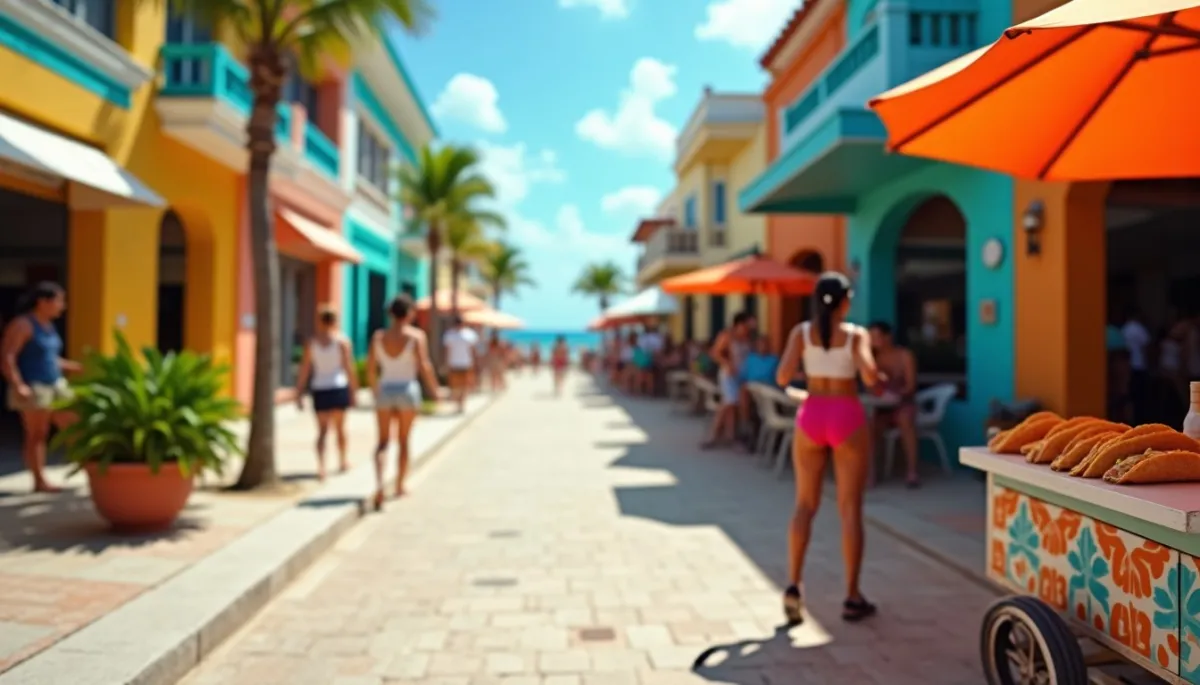
Picture a morning walk from your apartment to Mamitas beach, passing taco stands, yoga classes and a cyclist towing snorkeling gear. The light is different here, brighter, and the rhythm slower, but the practical questions immediately follow: how much will you pay for a two‑bedroom near the sea, for medical care, for hurricane season preparedness? Those numbers determine whether the dream becomes a sustainable life.
Vivre au soleil
Rent is the biggest variable. A one‑bedroom apartment in central Playa del Carmen can range from modest options to luxury condos with pool and doorman, and prices reflect that. Expect lower rents in neighborhoods like Colosio or Ejidal, and a premium along the beach and near Quinta Avenida.
Utilities also add up, especially electricity. Air conditioning runs many months of the year. A practical budget for a couple should include higher summer electricity bills and occasional generator costs during storms. Internet is generally reliable; fiber options exist and cost is competitive compared with the U.S.
Daily expenses—groceries, eating out, local transport—are often cheaper than in North America or Europe. Local markets and street food offer excellent value. Imported goods, international restaurants, and supermarket chains increase the bill. For many expats, a balanced lifestyle (rent + groceries + transport + modest leisure) starts around a mid‑range budget, while a beachfront lifestyle pushes monthly costs significantly higher.
Pourquoi choisir
People move to Playa for clearer reasons than 'cheap sun'. The city has a large, visible expat and digital nomad community, good air connections to the U.S. and Canada, and an infrastructure oriented to tourism and services. That makes settling in easier: English is widely spoken in shops, and international clinics are available within a short drive.
Remote work is a major driver. Since the 2010s the region has attracted freelancers, entrepreneurs and small families who can maintain foreign salaries. Mexico's temporary resident visa is commonly used; it allows residence beyond the tourist permit, with financial documentation required (bank statements or proof of income).
Healthcare in Playa and nearby Cancun covers a range from public clinics to private hospitals. Many expats opt for private insurance or pay out of pocket for faster service. Quality specialists are available locally or in Cancun, about 45 minutes away by car.
Réalités contrastées
The sunny appeal comes with seasonal realities. Hurricane season runs June to November, and historical events such as Hurricane Wilma in 2005 remind residents that powerful storms can disrupt daily life. Prepare a small emergency fund and check whether your housing has hurricane‑proofing and insurance options.
Environmental and development pressures are visible. Rapid growth since the 2010s has increased demand for water and services, and authorities periodically restrict certain uses. Sustainable choices—supporting local markets, conserving water, favouring responsible developments—help both budgets and the community.
Safety concerns are mainly petty crime in tourist areas; however, like any city, vigilance is wise. Learn basic Spanish, build local contacts, and join expat groups for up‑to‑date advice on neighborhoods, schools, and service providers.
Practical checklist: negotiate rent in pesos when possible, visit in both high and low seasons, verify internet speed, get private health insurance quotes, and budget for utilities and hurricane preparedness. Small habits—using colectivos (shared vans), shopping local, and timing major purchases off‑season—stretch your budget further.
Thanks for reading, and don't forget, Enjoy Life Moments!