The ayahuasca boom in Mexico: spiritual tourism or risk?
🚀 Key Takeaways
- Core concept : Ayahuasca is a traditional Amazonian brew, used ceremonially for healing and vision work, now offered widely in Mexico.
- Practical tip : Vet facilitators, ask about medical screening and emergency plans, and avoid mixing MAOI-sensitive medications.
- Did you know : Interest surged after popular books and research in the late 2010s, bringing Western tourists to plant medicine retreats.
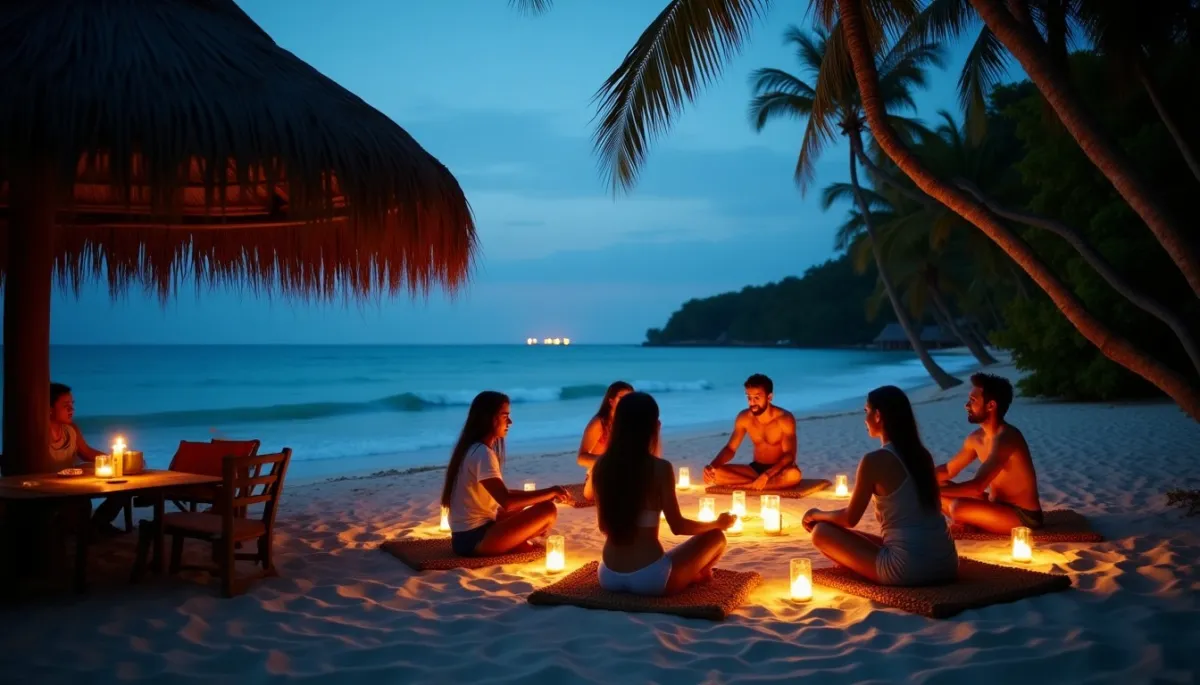
It feels intimate and raw. Picture a circle of people on a starlit beach near Tulum, woven mats, candles and an experienced facilitator speaking softly as the brew is passed.
Inner ripples
In recent years, small-scale ayahuasca ceremonies have proliferated across coastal Quintana Roo, marketed as deep healing sessions or spiritual detoxes. Retreats range from rustic nights in jungle cabañas to boutique experiences with yoga and organic meals.
Ayahuasca itself is a decoction, traditionally made from Banisteriopsis caapi (a vine) and a DMT-containing leaf such as Psychotria viridis. The combination produces powerful altered states, frequently described by participants as visionary or cathartic.
For many visitors, the attraction is clear: a chance to slow down, to process grief or addiction, or to seek meaning beyond conventional therapy. The global interest in psychedelics, amplified by books such as Michael Pollan's "How to Change Your Mind" (2018) and renewed clinical research on psilocybin and MDMA, helped normalize curiosity about plant medicines.
Why now
Several factors converged to create a market in Mexico. First, the wellness and experiential travel boom of the 2010s pushed demand for unusual, transformative offerings. Tulum's rise as a spiritual hub made it a natural base for retreats.
Second, easy travel and social media amplified testimonials. Instagram photos and long-form blogs turned private experiences into desirable packages, and a small industry of facilitators, cooks and shuttle drivers developed to serve tourists.
Third, regulatory ambiguity played a role. While DMT is controlled internationally, traditional plant use occupies a grey zone. Some indigenous healers operate with deep roots and community oversight, while newer operators sometimes sidestep formal medical safeguards, driven by demand.
Shadows and stakes
Growth has not been without problems. There have been reported adverse events in Mexico and elsewhere, from acute psychological distress to medical emergencies. Mixing ayahuasca with prescription antidepressants or certain over-the-counter substances can be dangerous, because the brew contains MAOI compounds that interact with other drugs.
Legal concerns also persist. Authorities have occasionally intervened against unregulated retreats, and visitors can face unpredictable outcomes if a facilitator lacks training in harm reduction or first aid. Cultural appropriation is another ethical tension, when rituals are stripped of context and offered as consumer experiences.
That said, many legitimate practitioners emphasize integration work, follow-up care, and collaboration with local communities. Some retreat centers in Mexico now require medical questionnaires, sober sitters, and clear information about contraindications, reflecting a maturation of the sector.
Practical maps
If you are curious and considering a ceremony, start with research. Look for facilitators with verifiable lineage, transparent safety protocols, and positive but critical reviews. Ask whether they perform medical screenings, whether they have trained medical staff or links to local clinics, and what emergency procedures are in place.
Be honest about your health. People on SSRIs, certain blood pressure drugs, or with cardiovascular disease should avoid MAOI-containing brews. Don't mix alcohol or recreational drugs into the experience, and allow time afterwards for integration, ideally with a therapist or support group.
Finally, respect local knowledge. If a ceremony claims indigenous origin, ask how your visit benefits the communities involved. Choose retreats that hire local staff, compensate indigenous teachers fairly, or contribute to community projects.
Ayahuasca in Mexico is neither a panacea nor a tourist gimmick. For some, it catalyzes profound change. For others, it exposes the limits of commodified spirituality. Traveling with curiosity, rigorous preparation and ethical awareness will tilt the balance toward a safer, more meaningful experience.
Thanks for reading, and don't forget, Enjoy Life Moments!