Watches and the green pitch: the ultra-private market of collectible timepieces among footballers
🚀 Key Takeaways
- Core concept: Elite footballers are active buyers and influencers in the rare-watch market.
- Practical tip: Verify provenance and “box and papers” when buying a watch linked to a celebrity.
- Did you know: Discontinuations (like the Patek 5711) can send values skyrocketing among celebrity collectors.
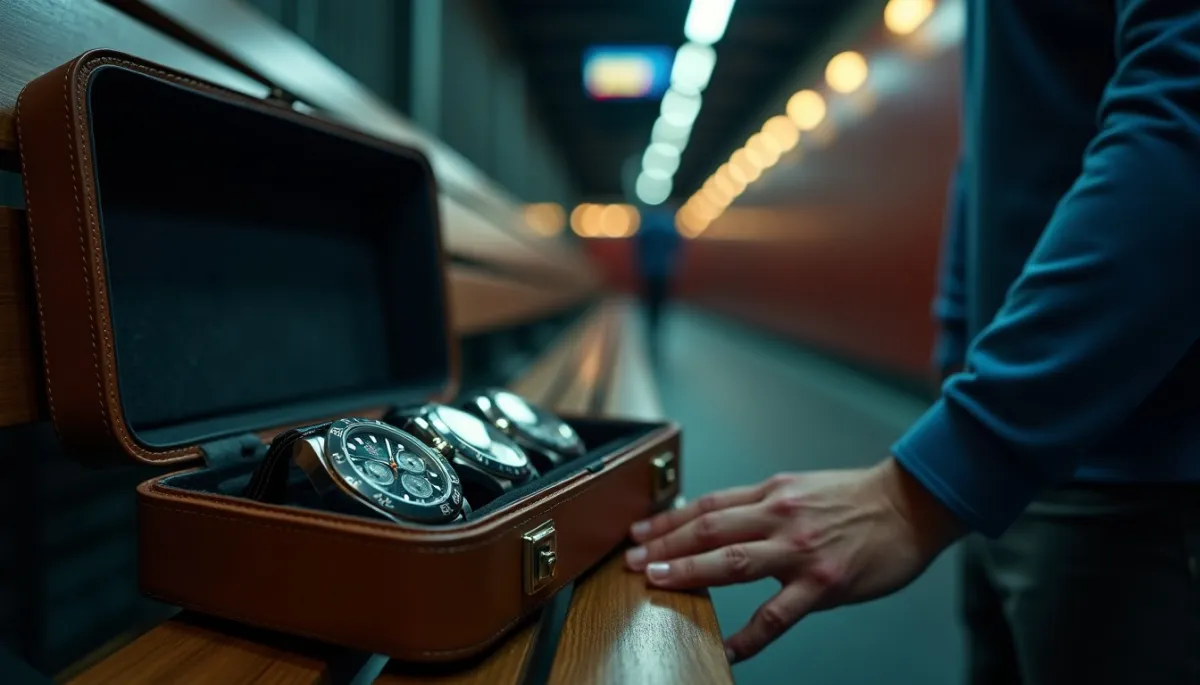
They wear them like armor. Imagine a late evening in a stadium tunnel, a player unzipping his bag and revealing a small case filled with watches, each with its story.
Sur the bench
In the world of elite football, watches are more than accessories. They are statements of identity, investments and conversation starters for dressing rooms and private jets alike.
Many players post glimpses of their collections on social media, turning interest into demand. A snapshot of a rare Nautilus or a diamond-set Audemars Piguet can trigger inquiries from dealers and fellow athletes.
Beyond visibility, these timepieces often move in private channels: purchases through trusted brokers, exchanges during charity dinners, or discreet deals brokered by agents who know both clubs and auction houses.
Visibilité privée
The consequences are tangible on the market. When a high-profile player is linked to a model, scarcity and desirability increase. Discontinued references, limited editions and pieces with provenance tied to celebrities can see secondary prices jump.
Auctions reflect this appetite. Historic sales such as the Paul Newman Daytona, which fetched record sums, have helped elevate collectible watches into the same conversation as art and classic cars, appealing to athletes looking for alternative stores of value.
For watchmakers, the attention is double-edged. Brands gain cultural cachet when their pieces are seen on famous wrists, but they also face pressure to manage availability to preserve exclusivity.
Root causes
Why this trend? First, the economic reality. Top-tier players enjoy high, often early-career incomes, and watches offer a tangible, portable luxury that can appreciate.
Second, visibility and personality. Football is intensely social. Players cultivate images both on and off the pitch. A carefully chosen watch signals taste, heritage, or a particular lifestyle, aligning with sponsorships and personal branding.
Third, the rise of specialist marketplaces and brokers has made high-end watches more accessible and more liquid. Authentication services, escrow platforms and friendly auction houses reduce friction for buyers who demand discretion.
Game of balance
Yet contradictions persist. Flamboyance coexists with caution. While some players publicly display extravagant pieces, many keep the rarest watches off social media to avoid security risks and unwanted attention.
There is also a tension between sentimental value and investment logic. A watch purchased to commemorate a career milestone may never be sold, even if its market value soars.
Finally, the market faces regulatory and ethical questions. Provenance matters. The risk of counterfeits, illicit sourcing or opaque transactions can tarnish reputations and invite scrutiny from clubs and sponsors.
For collectors — footballers or fans inspired by them — a few rules apply: document provenance, insist on box and papers, insure valuables, and store them securely. Start with one model you love, learn its history, and build knowledge before you buy.
Thanks for reading, and don't forget, Enjoy Life Moments!