The true price of excellence: what goes into making a bespoke bag
🚀 Key Takeaways
- Key concept : Bespoke means full customization, from pattern to finish.
- Practical tip : Ask about material provenance and finishing methods at the atelier.
- Did you know : Exotic leathers are regulated internationally (CITES).
Pure wonder.
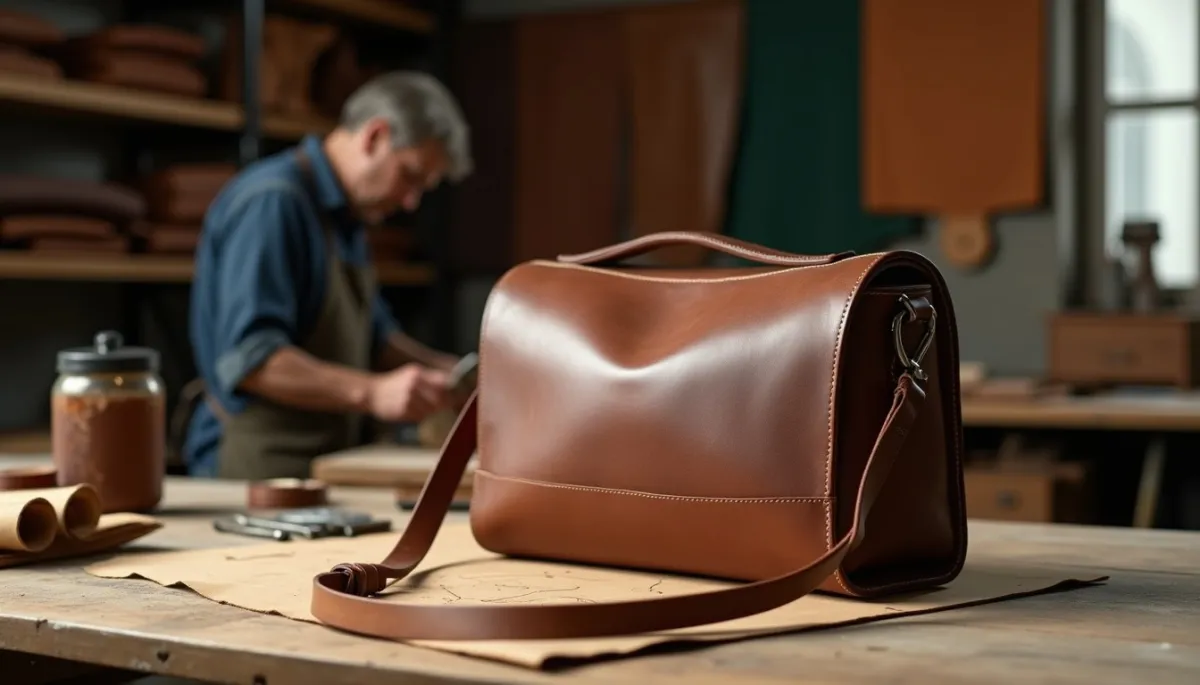
You step into a small workshop in the Marais or near Florence, the air scented of leather and wax. A table holds paper patterns pinned like maps, an artisan trims a strap with a traditional skiving knife, while another polishes the edge until it sings. The rhythm is patient, measured, and each movement counts.
Un atelier vivant
Bespoke is first of all a human process. In Paris, Milan or Tuscany, ateliers gather cutters, saddle-stitchers and finishers who learned their trade as apprentices, sometimes over a decade. The workbench is the classroom. Houses like Hermès or smaller maisons familiales maintain workshops where one bag can pass through the hands of five to ten specialists.
Time is perhaps the most visible cost. A made-to-measure piece can take from several dozen to more than a hundred hours of handwork, depending on complexity, hardware and materials. Time translates into salaries, but also into lost production efficiency compared with industrial lines.
There is also space and equipment. A traditional press, an edge-burnishing stove, hand-stitching awls and custom dies represent investments that boutique ateliers amortize over years. The result is a bag whose proportions, lines and comfort are tuned to a client, not to a mass market brief.
Les matières au centre
Materials determine a large share of cost. Full-grain calfskin, Epi, pebbled Goatskin, vegetable-tanned leathers, and exotic skins such as alligator carry very different price tags. Exotic skins are subject to CITES permits, which add paperwork and traceability requirements, and sometimes months of administrative delay.
Vegetable tanning, often prized for the natural patina it produces, takes longer and uses specific tannins from tree bark. The process is more expensive than chrome tanning, and it improves with time. Hardware, like custom-plated brass, or gold- and palladium-plated fittings, are additional levers that raise both price and perceived value.
Supply chain transparency is increasingly demanded. Clients ask where the leather was tanned, whether workers were paid fairly, and how durable the finish will be. Some ateliers now offer paper trails, serial numbers and certificates proving origin and compliance, which further increases cost but reassures buyers.
Des gestes précis
Several technical steps are invisible to the buyer but essential. Pattern making sets the silhouette. Skiving reduces thickness at seams for smooth folding. Saddle stitching, done with a two-needle technique, is more durable than machine stitching. Edge finishing requires successive sanding, glue application and burnishing for a crisp, waterproof rim.
Customization adds complexity. Monogramming, bespoke linings, hidden pockets, and non-standard proportions mean new patterns and tests. An artisan might cut a prototype, adjust tension, and remap structural seams to ensure longevity. These iterations require trial pieces and expert judgement.
Legal and ethical constraints also intervene. Trade restrictions on exotic skins, as well as growing regulation around chemicals used in tanning, alter sourcing and increase compliance costs for small ateliers that cannot easily absorb sudden fees.
Entre valeurs et contradictions
Bespoke is often presented as sustainable because it favors repair, longevity and made-to-order production. This is true in many cases. A well-made bag repaired for decades reduces the need for replacements, and made-to-order avoids overproduction and unsold inventory.
Yet the use of exotic skins, rare metals and lengthy shipping can weigh against sustainability claims. The paradox is real: rarity drives desire, and desire sometimes conflicts with conservation. Several ateliers now propose alternatives, such as certified leathers, plant-based substitutes, or reclaimed materials, to reconcile exclusivity and responsibility.
Innovation also appears in business models. Some maisons combine bespoke services with ateliers visits and workshops where clients learn to care for their piece. This experience creates attachment and understanding, making the cost part of a larger cultural and emotional purchase.
Conseils pratiques
Before commissioning a bag, ask for a timeline, a breakdown of costs, and certificates of origin for exotic skins. Visit the workshop if possible. Observe stitching density, ask to see edge finishing up close, and request care instructions.
For maintenance, avoid prolonged humidity, use neutral leather balm sparingly, and entrust major repairs to the original atelier when possible. A bespoke bag is an heirloom in the making; its true cost is the combination of materials, hours and the intangible skill of those who shaped it.
Thanks for reading, and don't forget, Enjoy Life Moments!