Cottagecore aesthetic: why the dream of rural, simple life persists
🚀 Key Takeaways
- Core concept : A romanticized return to pastoral life through objects, clothing and rituals.
- Practical tip : Start small: pick herbs, mend a shirt, keep a nature notebook.
- Did you know : The aesthetic surged on TikTok and Pinterest during 2020 lockdowns, transforming hobby crafts into a cultural movement.
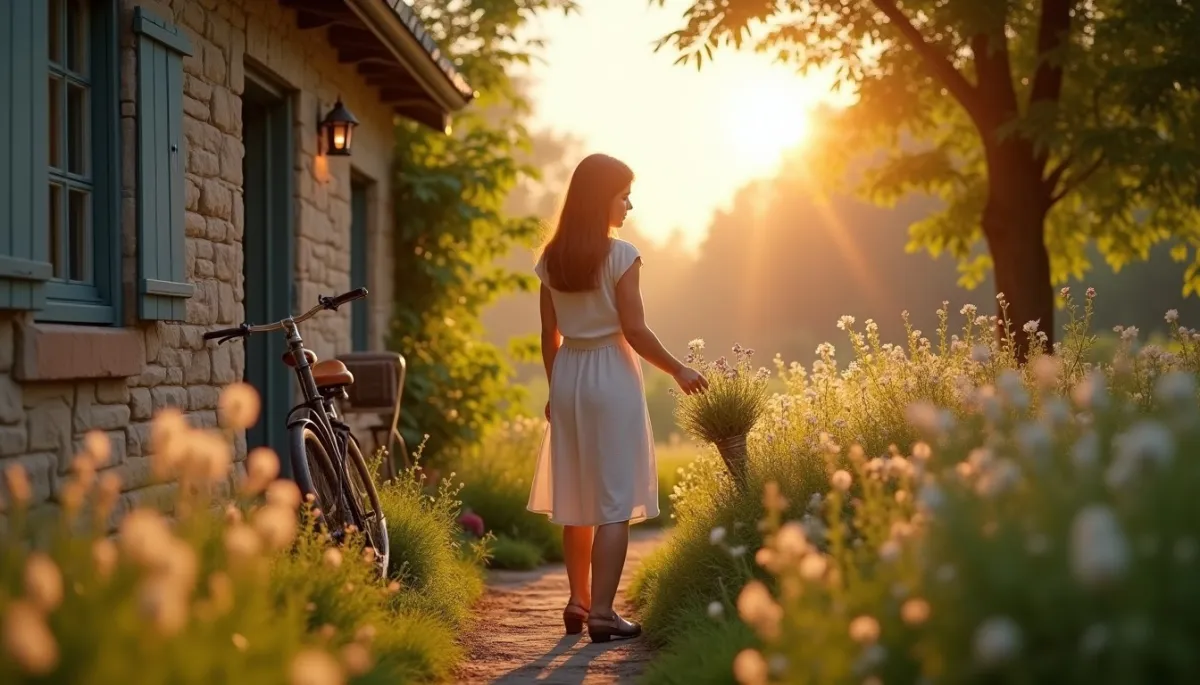
Close your eyes and imagine sunlight on a stone path.
A young woman in a linen dress gathers rosemary beside a low cottage wall, a tea kettle steaming on a windowsill, birds arguing in the hedge. The scene feels like it comes from a memory that never happened, part storybook, part weekend getaway. That imagined calm is the heart of cottagecore: an aesthetic in which daily rituals are slow, tactile and focused on small, local pleasures.
Quiet popularity
Cottagecore is not just a style of dresses and wallpaper. It is a cultural trend that organizes how people dress, decorate and spend leisure time. From 2018 onward the term appeared more frequently on Tumblr and Instagram, but it reached a broader audience in 2020 when social media users sought solace during pandemic lockdowns.
On TikTok and Pinterest millions watched and saved videos showing gardens, baking, embroidery and living room corners draped in floral linen. For many, the aesthetic offered a set of practices: preserving fruit, planting a windowsill herb garden, learning to knit. Shops on Etsy and secondhand marketplaces saw demand for prairie dresses, vintage teapots and doilies increase markedly in that period.
The appeal also shows in mainstream culture. Taylor Swift's album Folklore, released in 2020, and other works that favored intimacy and pastoral imagery helped spread the mood beyond niche communities. Articles in publications like The New Yorker and The Atlantic began analyzing cottagecore as a symptom of wider shifts in how people imagine home and leisure.
Roots and reasons
The longing behind cottagecore has deep roots. Romantic and pastoral literature from the 18th and 19th centuries, from Wordsworth to Beatrix Potter, shaped a long-standing ideal of rural simplicity. The aesthetic borrows that visual vocabulary: wildflowers, wooden spoons, faded quilts, and small, everyday crafts.
Contemporary causes are more immediate. Urban stress, climate anxiety and digital overload push people to seek micro-retreats. The pandemic accentuated this: with travel restricted, many turned to local nature and home-centered hobbies. Remote work has also blurred the boundary between city and country for some, making a slower pace feasible.
There is also a political and economic layer. For a generation that faces uncertain housing and job markets, cottagecore offers an accessible fantasy of autonomy. Gardening, foraging and preserving feel empowering. At the same time, the aesthetic can be practiced cheaply or curated as a lifestyle brand, which helps it spread rapidly online.
Soft contradictions
The dream of a pastoral utopia has its tensions. Romanticizing rural life can erase the real hardships of agricultural work and rural poverty. Images of sunlit meadows do not show the seasonal labor, low wages or limited services that many rural communities face.
Commercialization is another issue. Brands have co-opted cottagecore visuals, selling 'authentic' experiences that are often mass-produced. Vintage and handmade markets can become saturated, raising questions about sustainability when trends drive consumption rather than repair and reuse.
Finally, there is a future question: can cottagecore evolve into meaningful practices? Some communities on social platforms are already moving beyond aesthetics to focus on seed exchanges, climate-resilient gardening and mutual aid. When the visual style pairs with genuine local engagement, it has a better chance of becoming more than a nostalgic escape.
Practical steps matter. If you like the aesthetic, begin with low-impact rituals: grow a pot of herbs, mend a favorite garment, learn to ferment vegetables, or join a community garden. These acts are affordable and bring the sensory benefits of tactile work.
Cottagecore is not a uniform prescription. It can be a weekend mood, a hobby, or a framework for deeper local involvement. The key is to balance beauty with awareness of real social and environmental contexts.
Thanks for reading, and don't forget, Enjoy Life Moments!