Coastal rowing on a lake: the strict discipline of Riviera sailing clubs
🚀 Key Takeaways
- Core concept : Coastal rowing (aviron côtier) adapts to rough water with wider, self-bailing boats.
- Practical tip : Try an early-morning session from Vevey or Montreux, bring layers and a buoyancy aid.
- Did you know : Swiss Riviera clubs combine Belle Époque boathouses and modern training, creating a distinct culture.
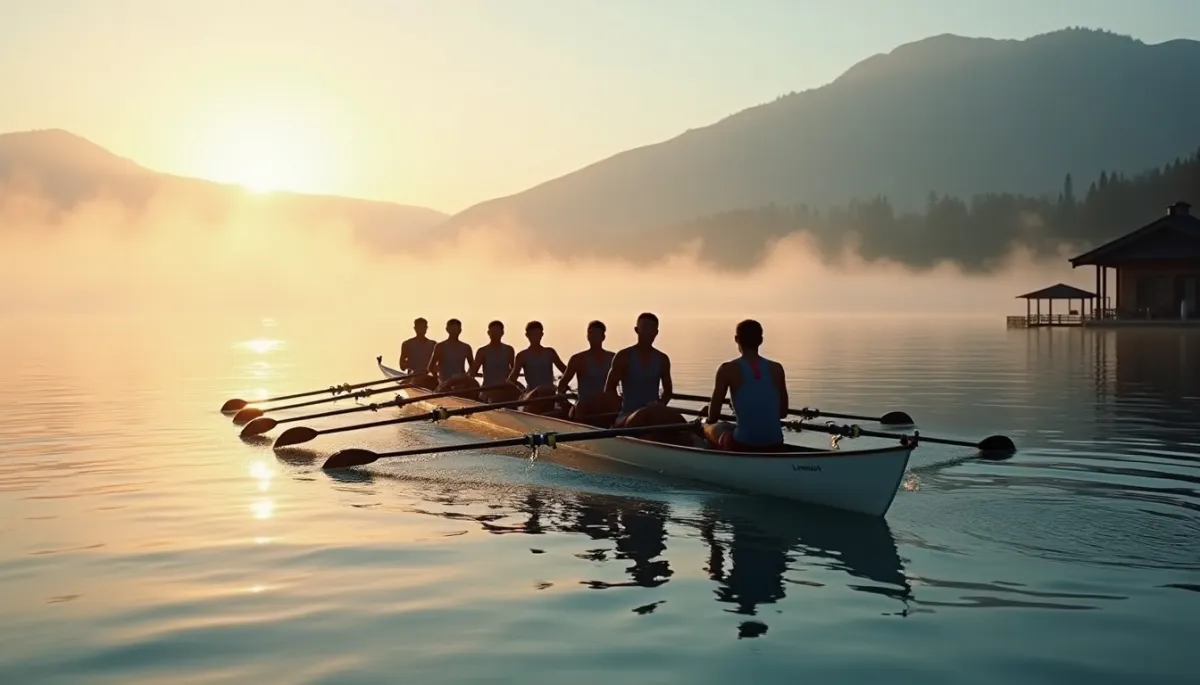
It moves like a breathing machine. Imagine eight athletes, synchronized, cutting across the silvery expanse of Lac Léman at dawn, the Montreux shoreline pale behind them, oars flashing, water spitting from rigger tips.
Au rythme du lac
Coastal rowing on Lake Geneva is not a gentle leisure pursuit, it is a discipline that borrows techniques from ocean rowing and adapts them to inland conditions. Crews face confused seas when northerly bise meets thermal winds from the Rhône valley, producing short, choppy waves that demand different timing and boat handling than flat-water sculls.
Since the late 19th century, the Riviera has hosted nautical societies whose boathouses still echo the Belle Époque. Clubs in Vevey, Montreux, La Tour-de-Peilz and Lutry have progressively integrated coastal models, running regular outings on mornings when the light is best and the winds are manageable. The result is a local style, pragmatic and precise.
On competition days the difference is visible. Coastal boats are wider, heavier, and often self-bailing, with a higher degree of positive buoyancy. Crews train with a focus on stability, rapid recovery after broaches, and navigation; they practice reading wind shifts at the shoreline, and timing fills and trims to avoid capsizes.
Racines et raisons
The rise of coastal rowing here answers practical needs. Lake Geneva is large enough to generate marine-like conditions, and as recreational sailors and windsurfers became more numerous in the 2000s, rowers adapted rather than retreated. Swiss Rowing and local clubs gradually formalized programs for coastal techniques in the 2010s, inspired in part by the international growth of beach sprints and coastal championships.
There is also a social reason. Coastal sessions attract athletes who want variety, paddlers transitioning from sea kayaking, and shore-oriented rowers who enjoy the challenge of rough water. Clubs on the Riviera now advertise ‘‘coastal mornings’’ to broaden membership, and open-boat events bring families down to the quays to watch.
Influence flows both ways. Swiss champions such as Xeno Müller, who won Olympic gold in 1996, remain touchstones for technical excellence, but local coaches emphasize resilience and seamanship as much as ergometer times. This blend of athletic and nautical skills explains why many young rowers choose Riviera clubs: they want to learn to cope with the elements.
Tensions et demain
Yet the practice raises questions. Safety is paramount, and clubs invest in safety boats, training, and weather monitoring. On busy summer weekends, conflicts can occur between recreational boaters and coastal crews who need clear water for drills. Clubs respond by scheduling early-morning windows and by running outreach to educate other lake users.
Another tension lies in resources. Coastal boats cost more, maintenance is specialized, and clubs must decide how to allocate limited budgets between flat-water racing shells and coastal fleets. Some Riviera communities have pooled resources, sharing boats between neighboring clubs, while others rely on volunteers to maintain equipment.
Looking forward, the discipline seems poised to grow. Coaches I met in spring 2025 described increasing interest from teenagers, and several clubs are planning combined land-and-water training hubs. For visitors, the advice is simple: contact a club, start with a learn-to-row coastal session, and respect the weather windows. The Riviera offers an apprenticeship in the art of reading the lake, and each outing becomes a small history lesson in seamanship.
Thanks for reading, and don't forget, Enjoy Life Moments!