Abandoned villages of the Haut-Var: the ghostly atmosphere of the inland
🚀 Key Takeaways
- Key concept : Abandoned villages are traces of rural exodus and economic change.
- Practical tip : Respect private property, go with good shoes and plenty of water.
- Did you know : Phylloxera in the late 19th century and postwar urban migration accelerated desertion.
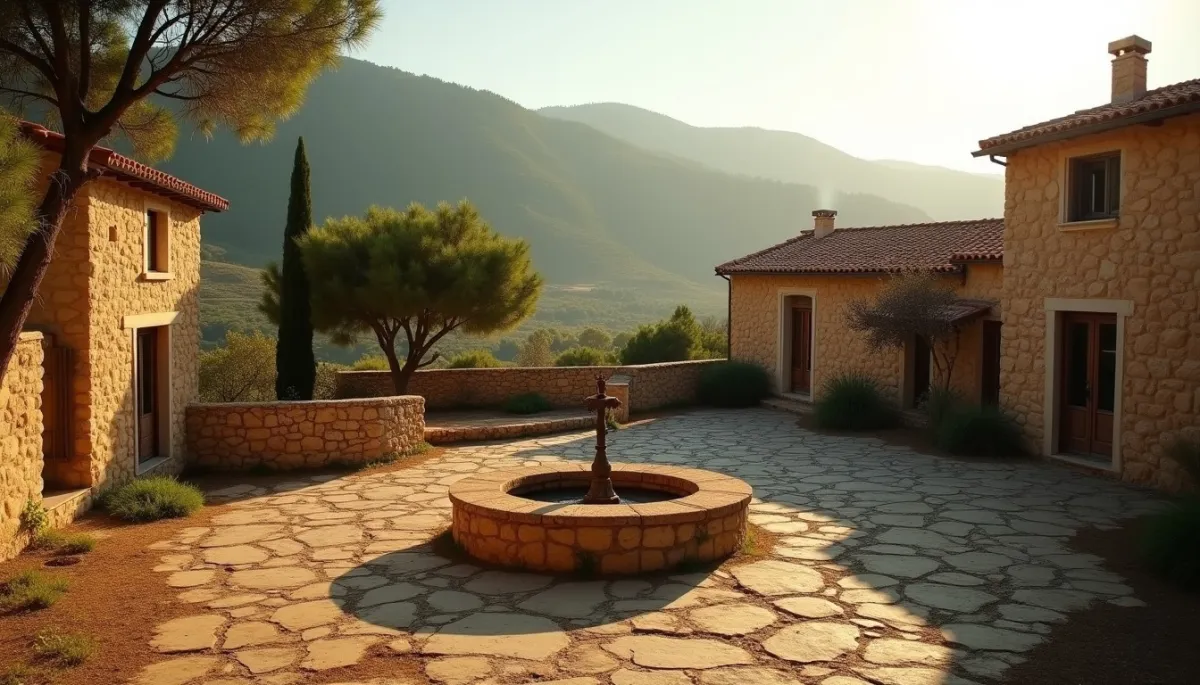
Silence hangs like dust in a sunlit courtyard.
Walk into a ruined square above a pine-scented ravine, and you feel time compressed. A church bell tower stands without a bell, a fountain runs dry, and fig trees push through cracked tiles. The stones, warm from noon light, keep fingerprints of generations: hearths, initials carved into lintels, iron rings where animals were tethered. In late autumn, when mists roll from the valleys, the sight becomes cinematic, almost uncanny, as if the past might reappear at the next turn.
Silence des pierres
The phenomenon is visible across the Haut-Var, from hamlets clinging to ridges to clusters of mas abandoned in terraces. These places are not theme-park ruins, they are former living spaces where daily life stopped yet traces remain. Narrow alleys, collapsed roofs, orchards now wild: the archaeological feel is immediate and intimate.
Many of these villages became mostly empty between the late 19th century and the mid-20th century. The phylloxera crisis of the 1870s devastated vineyards across Provence, removing an economic base for smallholders. Later, mechanization of agriculture and the lure of coastal jobs after World War II accelerated departures. By the 1960s and 1970s, younger generations often chose cities like Toulon or Nice, or the booming Riviera resorts.
Some sites are documented in regional archives and tourist inventories. The Parc naturel régional du Verdon, created in 1997, includes parts of the Haut-Var and has listed numerous hamlets as heritage features. Local historians and volunteers regularly catalogue houses, inscriptions and funerary crosses, helping to piece together demographic decline, cadastral changes, and ownership today.
Raisons enfouies
Why did entire villages fade away? The causes are layered. Economic shocks, like phylloxera, hit first. Then came infrastructure shifts: roads bypassed certain hamlets, while railway and later highway development prioritized other axes closer to the littoral. Accessibility matters in mountain country.
Demography played a central role. After 1945, rural France experienced a profound exodus. Young people left for industry, construction, and tourism. Farming families shrank, fields were abandoned, terraces collapsed. With fewer inhabitants, local services closed. A school shut, then the bakery, then the last cafe — leaving a feedback loop of decline.
Political and environmental factors also influenced abandonment. Some valleys were restructured for water management in the 1960s and 1970s, for example with reservoir projects in the greater Verdon area. War episodes, especially in 1944, led to temporary evacuations and in rare cases to permanent loss of habitability when return was too difficult.
Lueurs possibles
Contradictions appear today. The same remoteness that caused decline is now a draw. Since the 2000s, urban dwellers and foreigners have bought ruins as second homes or restoration projects. In some cases, municipalities and associations organise restoration workshops, guided hikes and heritage days to show and preserve ruins.
Conservation is not simple. Restoring a listed mas requires permits, structural studies, and often substantial budgets. Some initiatives receive support through regional heritage funds or the Direction régionale des affaires culturelles. Other projects remain informal, led by passionate individuals who slowly clear stone, re-roof a room, or replant terraces with lavender and olive trees.
For visitors, there are practical rules. Check land ownership before entering, avoid removing stones or artifacts, and favour marked trails. Bring a physical map, good hiking shoes, water and a charged phone. The best seasons are late spring and early autumn, when light flatters stone and crowds are fewer. Respectful curiosity helps sustain projects that make these places live again, in memory and in dust-cleared courtyards.
Thanks for reading, and don't forget, Enjoy Life Moments!